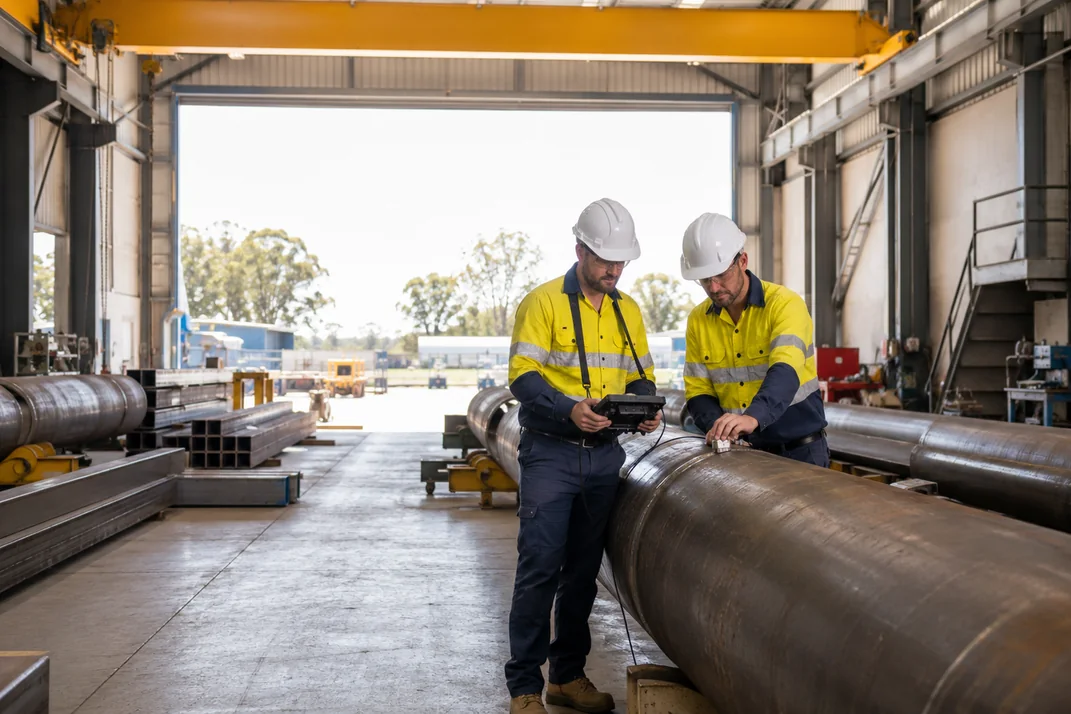
NDT INSPECTION SERVICES
The team at APEC Inspection undertake independent pressure vessel/equipment inspection across Australia.
Inspection services are critical to the safety of the public and those in the workplace. About Contact UsNDT Inspection Services
Non-Destructive Testing and Inspection Across Australia
APEC Inspection provides non-destructive testing and asset integrity inspection to industry across Australia. We assess the condition of materials, welds and equipment without taking them permanently out of use, so problems such as corrosion, cracking and material defects are found while there is still time to plan a response.
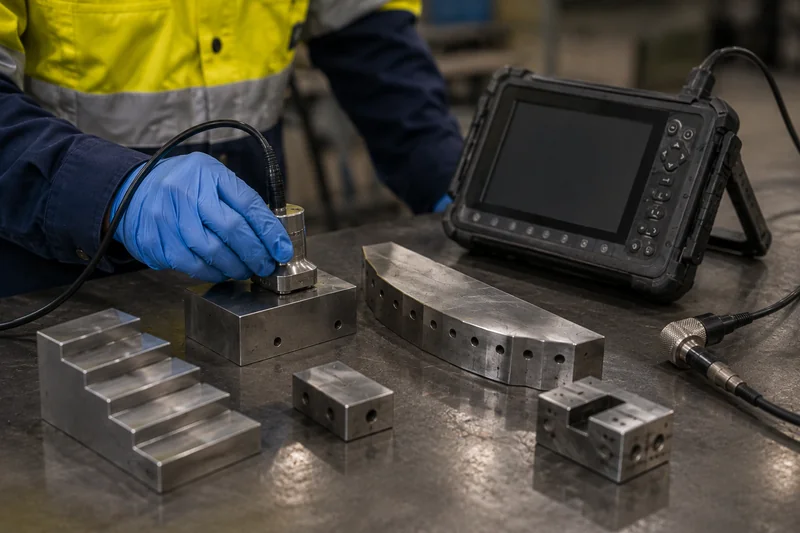
No single technique answers every question. Ultrasonics measures wall thickness and finds flaws within a material. Magnetic particle and penetrant testing reveal defects breaking the surface. Eddy current handles tubing and coatings, and positive material identification confirms the alloy is what the specification called for. Most real inspection scopes combine several methods, chosen for the asset and for what you need to establish about it.
APEC is accredited by NATA to ISO/IEC 17025:2017, and our inspectors hold qualifications with the Australian Institute for the Certification of Inspection Personnel (AICIP) and the Australian Institute for Non-Destructive Testing (AINDT).
Our services include:
What Non-Destructive Testing Is
Non-destructive testing covers a group of techniques used to assess the condition of materials, welds and equipment without damaging them or taking them out of use permanently. The asset is examined, measured and returned to service.
That matters because the alternative is either destructive testing, which consumes the item being tested, or waiting for a failure to reveal the problem. NDT lets an owner find corrosion, cracking and material defects while there is still time to plan a response, and it produces the evidence that regulators, insurers and clients ask for.
No single method answers every question. Ultrasonics measures thickness and finds flaws within a material. Magnetic particle and penetrant testing find defects breaking the surface. Eddy current handles tubing and coatings. Most real inspection scopes combine several.
NDT Methods
The core non-destructive testing techniques. Which one applies depends on the material, the type of flaw you are looking for and where it sits.
Ultrasonic Testing (UT)
High-frequency sound to measure wall thickness, map corrosion and find flaws below the surface of welds and plate.
Phased Array Ultrasonic Testing (PAUT)
An array of elements steers and focuses the beam electronically, producing a recordable cross-sectional image of a weld.
Magnetic Particle Inspection (MPI)
Surface and near-surface crack detection on ferromagnetic materials, widely used on welds, shafts and structural steel.
Liquid Penetrant Testing (PT)
Reveals surface-breaking defects on non-porous materials, including non-magnetic metals where MPI cannot be used.
Eddy Current Testing (ECT)
Electromagnetic inspection for surface flaws, heat exchanger tubing and coating thickness on conductive materials.
Visual Inspection (VT)
The foundation of every inspection programme, carried out by qualified inspectors against a defined scope and standard.
Hardness Testing
Brinell, Rockwell and Vickers testing to confirm material properties, heat treatment and weld hardness.
Positive Material Identification (PMI)
Verifies alloy composition and grade on site using handheld analysers, confirming the right material is installed.
Thermography
Non-contact infrared inspection to find heat anomalies, leaks, blockages and electrical faults while plant runs.
Asset and Equipment Inspection
Inspection programmes built around a type of asset, drawing on whichever NDT methods the job requires.
Pressure Vessel Inspection
In-service and design inspection of pressure equipment under AS/NZS 3788, including intervals and hazard assessment.
Storage Tank Inspection
API 653 and API 650 tank inspection with floor scanning, integrity assessment and remaining-life reporting.
Hydrostatic Testing
Pressure proof testing of vessels, piping and tanks to confirm integrity, commonly required after significant repair.
Coating Inspection
Assessment of protective coatings and linings, including holiday detection, film thickness and surface preparation.
Aerial Drone Inspection
Remote visual inspection of roofs, stacks, structures and other assets that are difficult or unsafe to access.
Welding and Radiography Services
Supporting services covering weld qualification and the radiography function itself.
Welding Procedure Qualification
Development and qualification of welding procedures (WPS/PQR) and welder qualification testing.
Radiography Equipment Inspection
Periodic inspection of industrial radiography equipment to keep it compliant and safe to operate.
Independent Film Auditing
Third-party interpretation and auditing of radiographic film, providing an independent check on reported results.
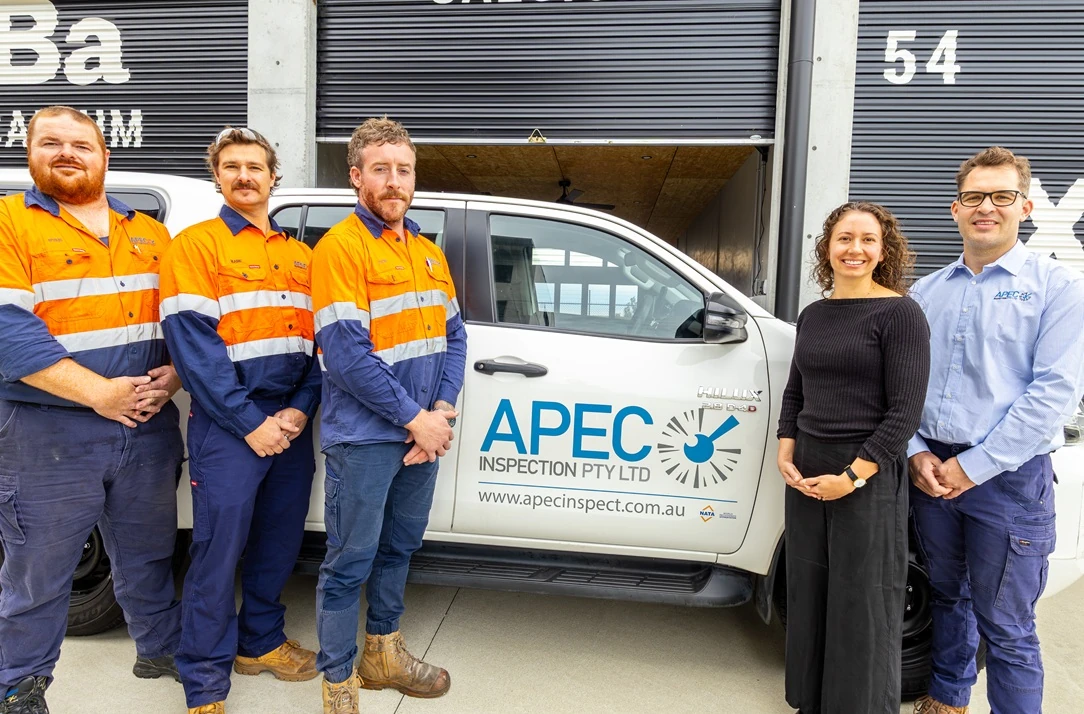
Choosing an NDT Provider
The techniques are broadly standardised, so the difference between providers usually comes down to three things.
Qualification of the people doing the work. NDT output requires interpretation, and a scan is only as good as the person reading it. Ask what certification the technicians hold and whether it covers the specific method being applied, since a general ultrasonic qualification does not automatically cover phased array.
What the report actually contains. Readings alone leave you no further forward. A useful report states the standards applied, records where measurements were taken so the next inspection can be compared against them, sets out the findings against acceptance criteria, and says what happens next.
Whether the scope is right. A provider who applies one method to every problem will miss things. The scope should be built from what you need to know about the asset, not from the equipment that happens to be available.
Accreditation and Qualifications
APEC Inspection is accredited by NATA to ISO/IEC 17025:2017, the international standard for the competence of testing and calibration laboratories. Accreditation covers the technical competence of the methods, the equipment and the people, and it is assessed by NATA rather than self-declared.
Our non-destructive testing is carried out by technicians certified to ISO 9712 through AINDT, the Australian Institute for Non-Destructive Testing. Certification is method-specific and graded by level, which is what allows an inspector to interpret results and sign a report rather than simply operate equipment.
Between them, those two cover the questions most clients and auditors ask: is the organisation competent to perform the test, and is the individual qualified to interpret it.
Hydrogen and Clean-Energy Assets
Hydrogen production capacity is being developed in Australia, including a publicly announced renewable hydrogen project at Kooragang Island near Newcastle. Facilities of this kind bring pressure equipment, piping and storage into service, and that equipment is subject to the same question as any other pressure asset: is it fit for the service it is in, and how is that being demonstrated?
Hydrogen service is treated more conservatively than ordinary service because hydrogen reduces the ductility of steel without reducing its wall thickness. A component can measure as entirely acceptable while its capacity to tolerate stress has fallen. The practical consequences are stricter material control, particular attention to welds and their heat-affected zones, and examination combining surface, volumetric and hardness methods.
Those are the methods listed above. APEC provides magnetic particle inspection, liquid penetrant testing, phased array ultrasonic testing, hardness testing, positive material identification and hydrostatic testing from our Newcastle base.
Four guides cover the subject in detail: hydrogen embrittlement and how it is found, what the ASME B31.12 hydrogen piping code addresses, carbon equivalent and material verification, and the NDT methods a hydrogen facility requires.
Where We Work
APEC is based in Newcastle and works throughout the Hunter and New South Wales, mobilising inspectors to sites across Australia. Work is commonly scheduled around planned shutdowns and outages, so bringing us in early makes the sequencing easier, particularly where equipment has to be taken out of service, emptied or cleaned before inspection.
If you have an inspection requirement and are not sure which methods apply, that is a normal starting point. Tell us about the asset and what you need to establish, and we will scope it.
Frequently Asked Questions
- What is NDT? +
- Non-destructive testing is a group of techniques used to assess the condition of materials, welds and equipment without damaging them. The asset is examined and returned to service, which allows problems such as corrosion and cracking to be found before they cause a failure.
- What NDT services does APEC Inspection provide? +
- We provide ultrasonic testing, phased array ultrasonics, magnetic particle inspection, liquid penetrant testing, eddy current testing, visual inspection, hardness testing, positive material identification and thermography, alongside asset-based programmes for pressure vessels, storage tanks, coatings and drone inspection.
- Which NDT method is right for my equipment? +
- It depends on the material, the type of flaw and where it sits. Ultrasonics measures thickness and finds flaws within a material, magnetic particle and penetrant testing find surface-breaking defects, and eddy current suits tubing and coatings. Most inspection scopes combine several methods.
- Is APEC Inspection accredited? +
- Yes. APEC Inspection is accredited by NATA to ISO/IEC 17025:2017, and our non-destructive testing is carried out by technicians certified to ISO 9712 through AINDT.
- Where does APEC Inspection provide NDT services? +
- We are based in Newcastle and work throughout the Hunter and New South Wales, mobilising inspectors to sites across Australia.
- What should an NDT inspection report include? +
- It should state the standards applied, record where measurements were taken so future inspections can be compared against them, set out the findings against acceptance criteria, and say what action is required and by when.
- Can NDT be carried out while plant is running? +
- Some methods can. Thermography and many external ultrasonic and eddy current applications are performed in service. Others, such as an internal tank or vessel inspection, require the equipment to be taken out of service, emptied and cleaned.
- How is NDT different from destructive testing? +
- Destructive testing consumes or damages the item being tested, so it is used on samples and test coupons, for example when qualifying a welding procedure. Non-destructive testing assesses the actual in-service asset and leaves it fit to return to use.
If You Have Any Query, Feel Free To Contact Us
Whether you'd like a fast quote, have a technical question, or want to scope an inspection, the APEC team is ready to help.







From the APEC Inspection Blog
Guides to the methods, standards and equipment covered above, from across our technical blog.
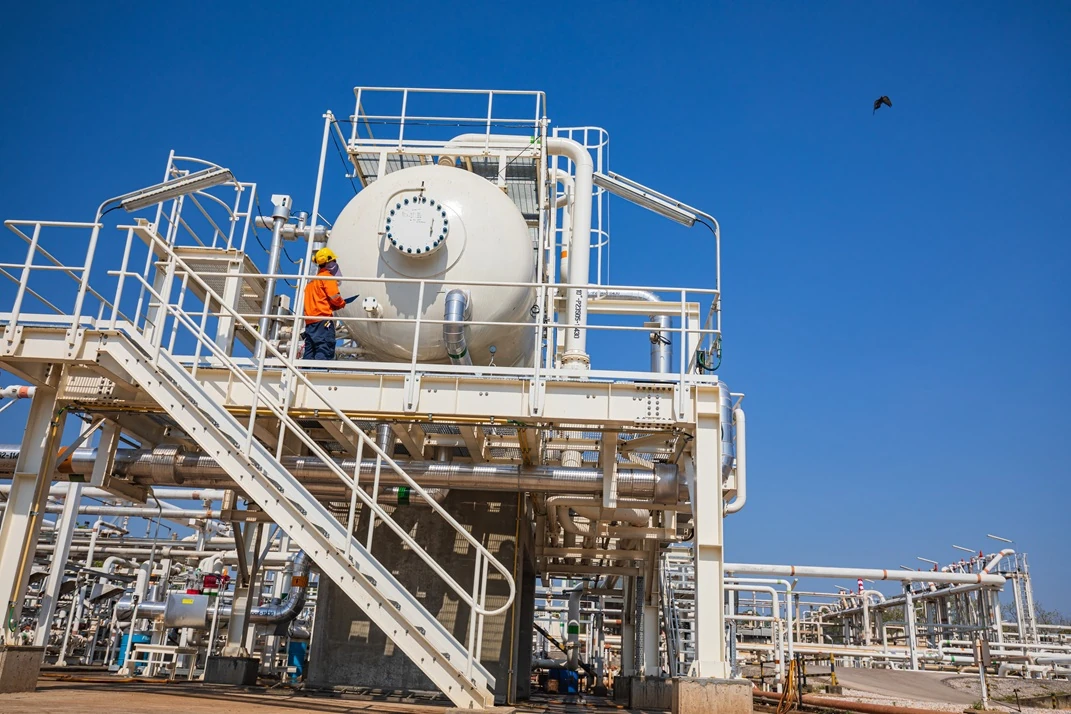
Pressure Vessel Inspection Requirements by Vessel Type
How inspection requirements change with vessel type in Australia, and the NDT methods that apply to each.
Read More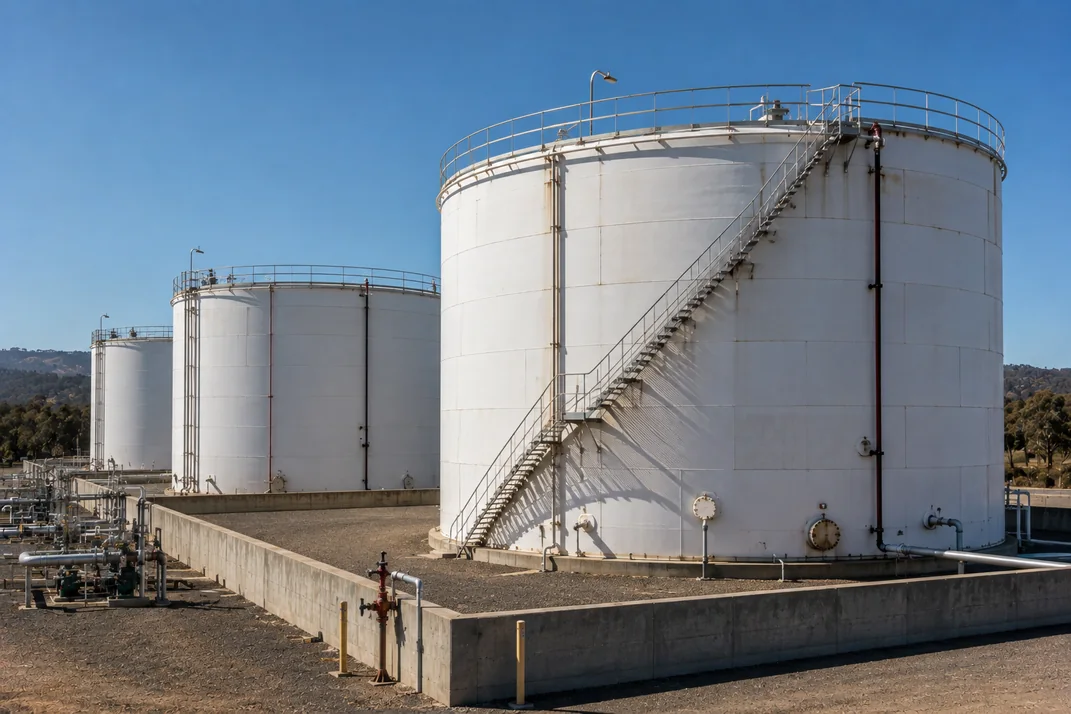
API 653 Tank Inspection in Australia
The three inspection types, how intervals are set from measured corrosion rates, and how remaining life is calculated.
Read More
Phased Array Weld Inspection: How PAUT Finds Flaws
How PAUT steers the beam through a weld to find lack of fusion and cracks, and how it compares with radiography.
Read More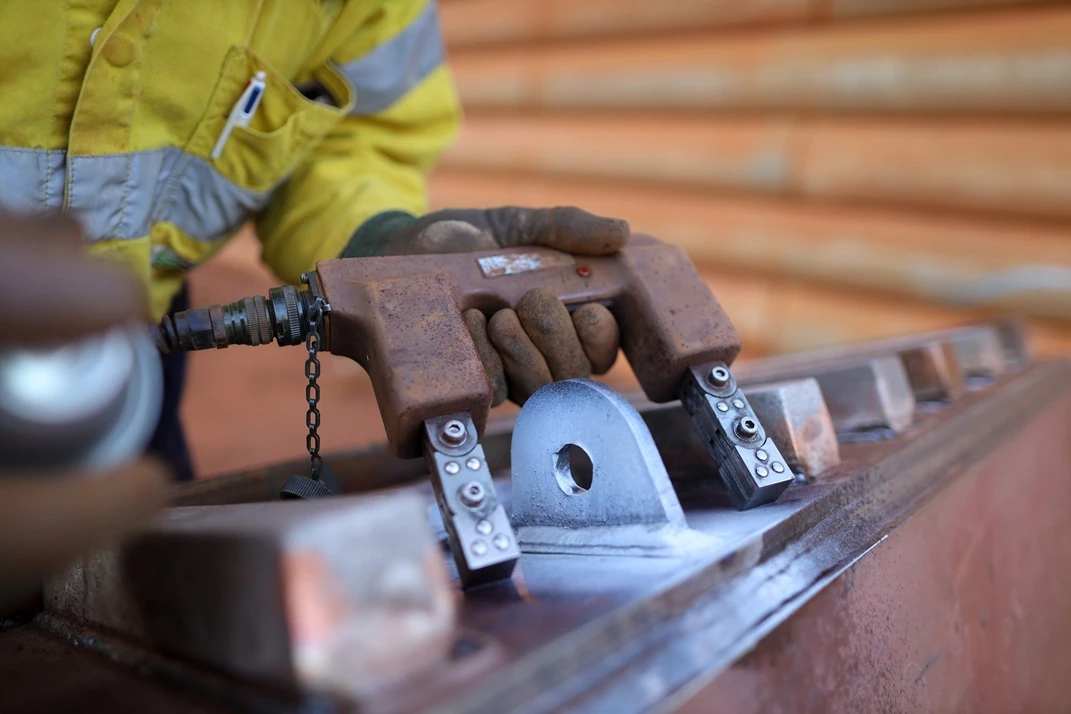
Wet and Dry Magnetic Particle Testing Guide
When to use each MPI technique, what they detect, and the Australian standards that govern them.
Read More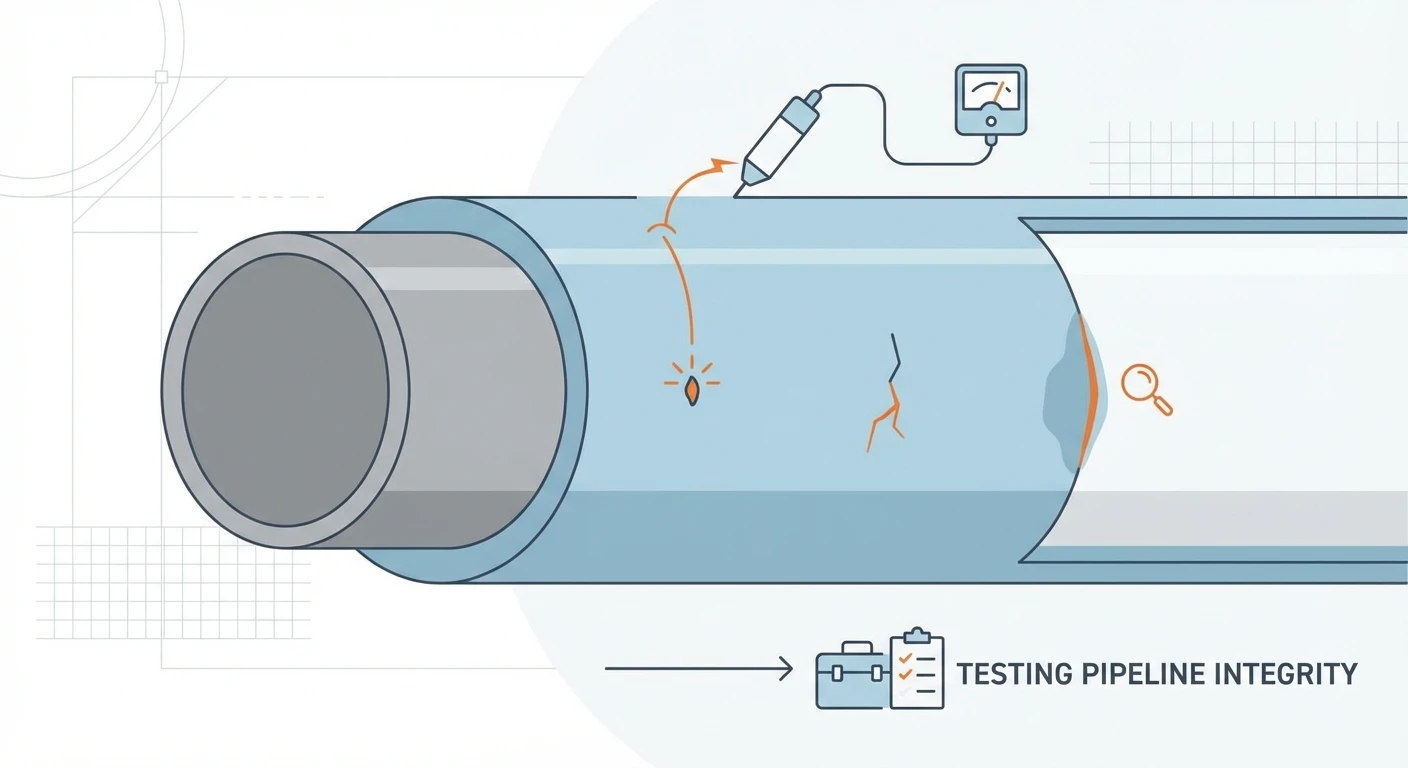
Holiday Testing Pipelines and Coatings Explained
How holiday testing finds flaws in protective coatings, and how low and high voltage methods differ.
Read More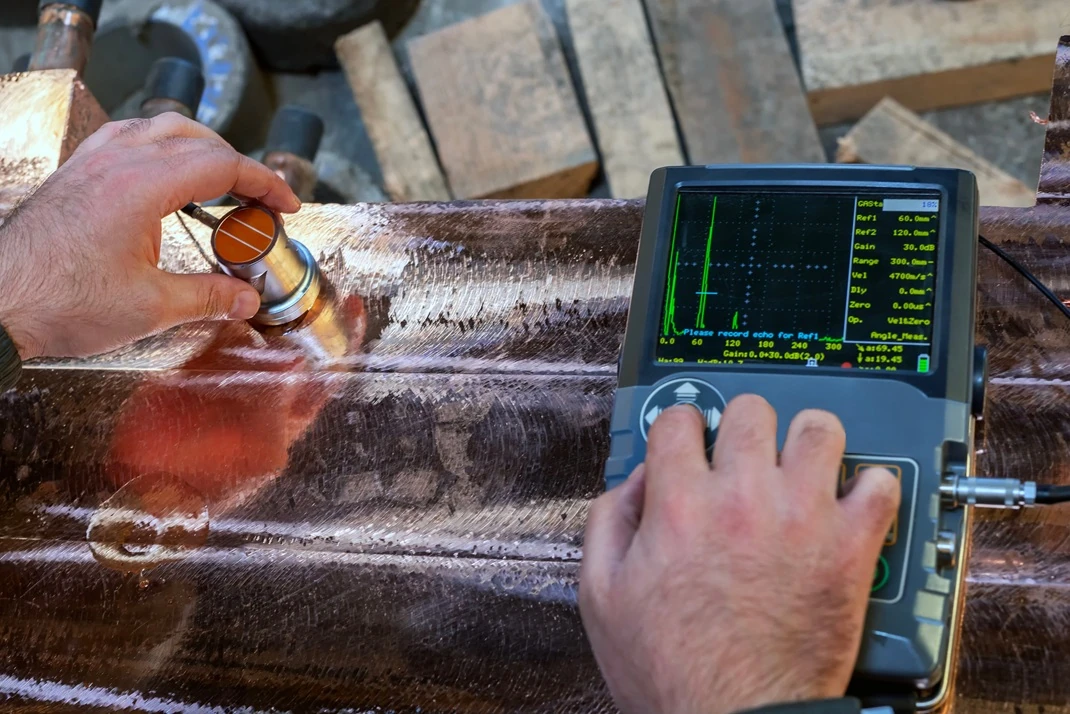
NDT Certification and Inspection in Australia
How NDT certification works in Australia and what it means for the reliability of an inspection result.
Read MoreRequest A Quote
Need A Free Quote? Please Feel Free to Contact Us
Reply within 24 hours
24 hrs telephone support
Contact us today and we'll get back to you within 24 hours to discuss how we can help with your testing and inspection requirements.
Call to ask any question
(02) 4062 0305
© apecinspect.com.au. All Rights Reserved. Designed by Peritus Digital. Powered by LYFE AI