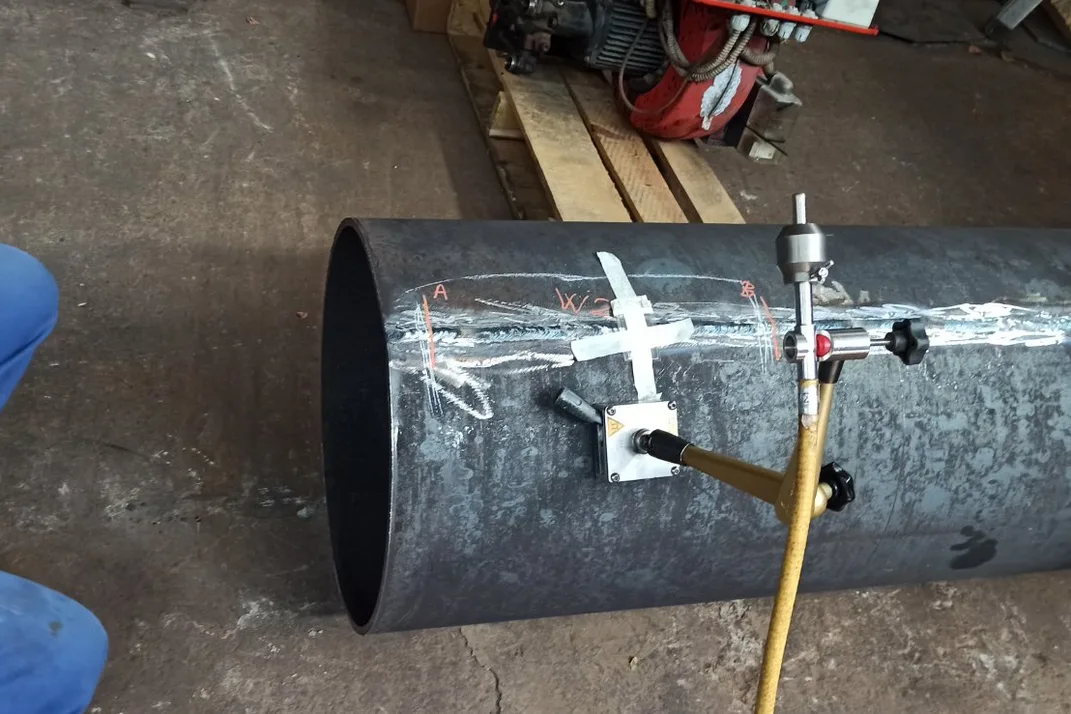
INDUSTRIAL RADIOGRAPHY EQUIPMENT INSPECTIONS
Comprehensive equipment inspections and film auditing for safe, compliant radiographic operations
About Contact UsIndustrial Radiography Equipment Inspections & Film Auditing
APEC Inspection - Comprehensive Radiography Equipment Inspections
Reliable radiographic testing starts with equipment that is safe, compliant, and functioning exactly as intended. Our industrial radiography equipment inspections are designed to help operators maintain regulatory compliance, minimise risk, and ensure consistent performance in the field.
We provide detailed inspection and verification of all critical components across industrial, mining, and infrastructure environments.
Our inspections cover the following critical components:Our inspections help identify early signs of wear, prevent equipment failures, and support safe radiographic operations across industrial, mining, and infrastructure environments. For comprehensive quality assurance, pair equipment inspections with our independent film interpretation and auditing service.
What Is Radiographic Testing?
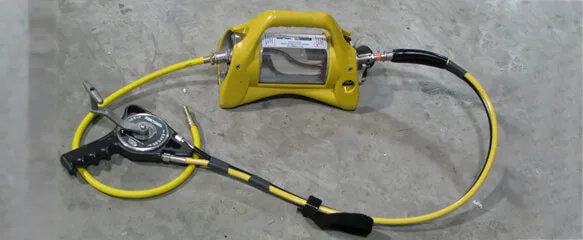
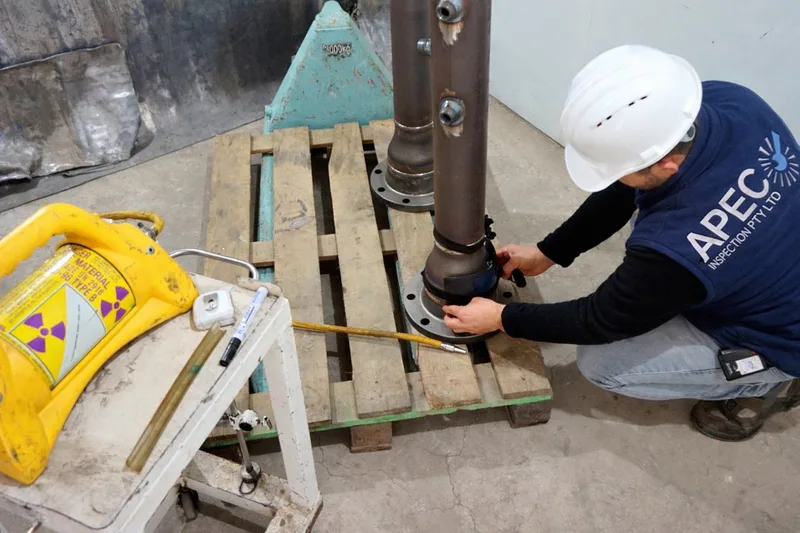
Radiographic testing (RT) sends a radiation source through the item being inspected and records what comes out the other side. The source is either an X-ray set or a sealed gamma source such as Iridium-192, and the radiation that passes through the weld is captured on film or on a digital detector. Where the metal is sound, the image is an even grey. Where there is a void, an inclusion or a crack, less metal absorbs the beam, so that spot shows up as a darker or lighter patch on the radiograph. In short, RT lets you read the inside of a weld as a density change without cutting anything open, which is why it remains one of the most trusted volumetric methods on pipework and pressure equipment.
Film vs Digital Radiography
Traditional film radiography exposes industrial X-ray film, which is then processed in chemicals and read on a light box. It gives excellent detail and a permanent record, and it still suits remote field work and archival jobs. Computed radiography (CR) uses a reusable phosphor plate that is scanned into a digital image, while digital detector arrays (DDR) capture the radiograph straight to a screen. The digital routes give faster turnaround, easier storage and simple sharing of results, and they cut the chemicals out of the workflow. Which one fits depends on the job, the access and the code you are working to. We help you choose rather than push a single approach.
What RT Finds and Where It Is Used
Radiography is a volumetric method, so it is at its best on buried weld flaws: porosity, slag inclusions, lack of fusion and cracking through the body of a joint. That makes it a natural fit for butt welds in pressure piping, vessels and structural steel where an internal defect could become a leak or a failure. On thicker sections or where geometry makes film tricky, RT is often paired with ultrasonic inspection or phased array ultrasonic testing to confirm sizing and get full coverage of the weld volume.
Radiation Safety and Exclusion Zones
Radiography is controlled, licensed work. Every exposure sets up an exclusion zone that nobody else can enter while the source is out, with barriers, warning signs and continuous dose monitoring around the area. Our technicians hold the required radiation-safety licensing and work to AS/NZS 2243.4 and the relevant ARPANSA and state regulatory requirements. Because the exclusion zone stops other trades, we frequently run radiography during night shift or shutdown windows so the rest of the site can keep moving through the day.
Interpretation, Reporting and Film Auditing
A radiograph is only as good as the person reading it. Our technicians interpret each image against the acceptance criteria of the applicable construction code and write up clear, defensible reports that tell you what was found and where. We also provide independent film auditing for radiographs shot by other parties, giving you a second, impartial read where a result is disputed or where you need third-party assurance before sign-off.
Standards, Compliance and Why Choose APEC
APEC performs weld radiography to AS 2177 and to ISO 17636-1 for film or ISO 17636-2 for digital detector techniques, with image interpretation to the acceptance criteria of the applicable construction code. Radiation safety follows AS/NZS 2243.4 and the relevant ARPANSA and state licensing, and our technicians are certified to AS 3998 / ISO 9712. As a NATA-accredited inspection body, our radiographic testing and reporting hold up to client, regulator and insurer scrutiny. To talk through a job or request a quote, call our team directly.
Frequently Asked Questions
- What is radiographic testing (RT)? +
- Radiographic testing passes a radiation source, either X-ray or gamma, through a component and records an image on film or a digital detector. Internal flaws show up as changes in density on the resulting radiograph, so you can see inside a weld without cutting it open.
- What is the difference between film and digital radiography? +
- Film radiography exposes traditional X-ray film that is then chemically processed, while digital methods use computed radiography (CR) plates or digital detector arrays (DDR) to capture the image electronically. Film still suits archival and some field work; digital gives faster results and easier storage and sharing.
- What flaws can radiographic testing find? +
- RT is a volumetric method that reveals internal weld flaws such as porosity, slag inclusions, lack of fusion and cracks. It is used on pipework, pressure equipment and structural welds where buried defects matter.
- Is radiographic testing safe? +
- Yes, when carried out by licensed technicians under controlled conditions. Work is done inside a marked exclusion zone to strict radiation-safety rules, and is often scheduled out of hours so other site activity can continue safely.
- Why is radiography often done out of hours? +
- Because the exposure creates an exclusion zone that no one else can enter, radiography is frequently run during night shift or shutdown windows. This keeps other trades working through the day without stopping for radiation control.
- Which standards apply to radiographic testing in Australia? +
- Weld radiography is performed to AS 2177 and to ISO 17636-1 for film or ISO 17636-2 for digital detectors. Radiation safety follows AS/NZS 2243.4 and the relevant ARPANSA and state licensing, with technicians certified to AS 3998 / ISO 9712.
- Can APEC review radiographs taken by others? +
- Yes. APEC offers independent film auditing, reinterpreting radiographs against the acceptance criteria of the applicable construction code. As a NATA-accredited body, our interpretation and reporting stand up to client, regulator and insurer review.
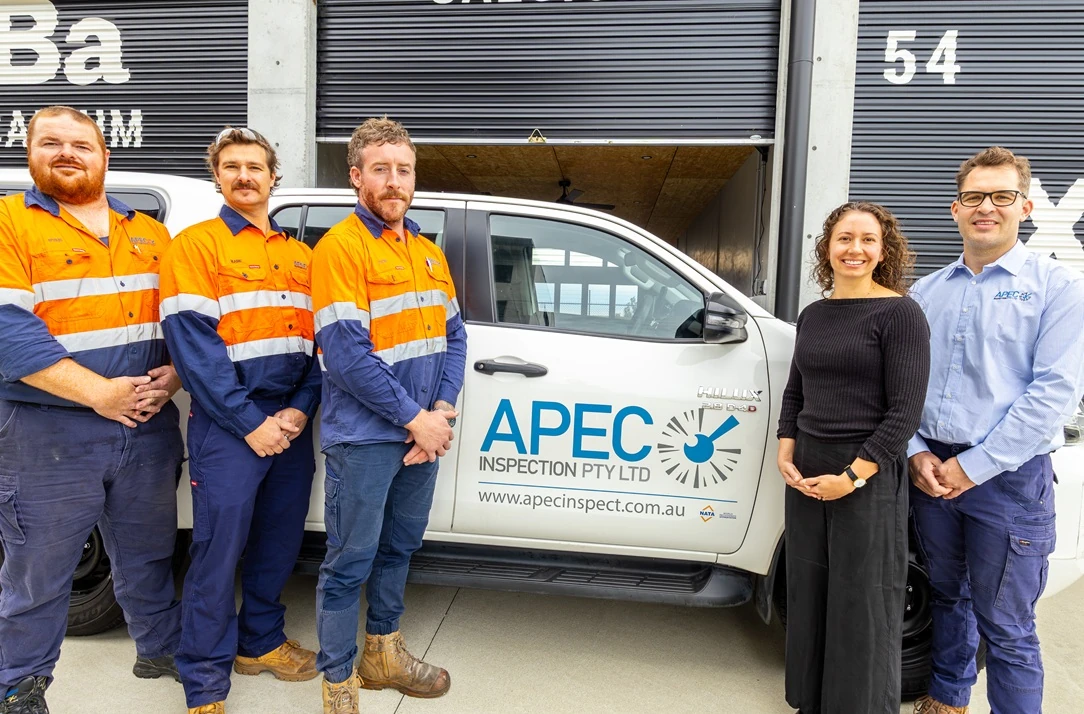
If You Have Any Query, Feel Free To Contact Us
Whether you'd like a fast quote, have a technical question, or want to book a radiography inspection, the APEC team is ready to help.






Learn more about non-destructive testing and asset integrity.
© apecinspect.com.au. All Rights Reserved. Designed by Peritus Digital. Powered by LYFE AI