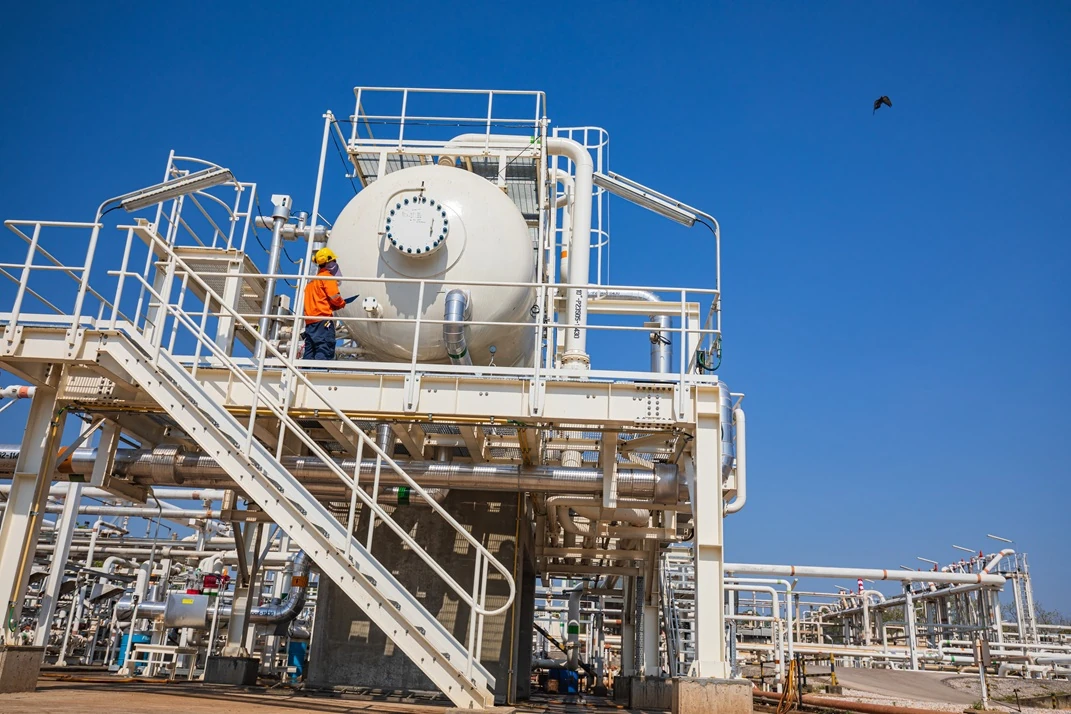
Pressure Vessel Inspection Requirements by Vessel Type in Australia
See how vessel type changes inspection scope, NDT methods and compliance.
About Contact UsPublished on: 10 November 2025 | Estimated reading time: 16 minutes
Table of Contents
Use the links below to jump to each section. Estimated reading time: 16 minutes.
- 1. Introduction: Why Pressure Vessel Inspection Matters
- 2. How Vessel Type Affects Pressure Vessel Inspection Requirements
- 3. Pressure Tank: Inspection Focus and Testing Requirements
- 4. Boiler: Intensive Inspection and Testing Requirements
- 5. Gas Pressure Vessel: High-Hazard Inspection and Testing
- 6. Air Pressure Vessel: Air Receiver Inspection Requirements
- 7. Storage Vessel: Pressurised Storage Inspection and Testing
- 8. Large Pressure Vessel: Strategy for High-Consequence Equipment
- 9. NDT Testing Methods in Pressure Vessel Inspection
- 10. Inspection Frequency and Regulatory Requirements
- 11. Mapping Vessel Types to Inspection and Testing Choices
- 12. Choosing an Inspection and NDT Partner for Pressure Vessels
- 13. Conclusion: Align Vessel Type, Inspection and Testing Requirements
- 14. Frequently Asked Questions About Pressure Vessel Inspection
Introduction: Why Pressure Vessel Inspection Matters
Pressure vessel inspection is a legal and safety requirement in Australia. Whether you operate boilers, air receivers, gas bullets or large storage vessels, you must arrange pressure vessel inspection this equipment to standards such as AS 3788 and AS 4343 to manage risk and comply with WHS regulations.
A robust inspection and testing program for pressure equipment helps you:
- Prevent leaks, ruptures and explosions
- Extend asset life and improve reliability
- Demonstrate compliance to regulators such as SafeWork NSW
- Maintain insurance coverage and audit readiness
This article explains how pressure vessel inspection requirements and testing change by vessel type - pressure tanks, boilers, gas pressure vessels, air pressure vessels, storage vessels and large pressure vessels - and how non-destructive testing (NDT) fits into each inspection regime.
For a broad introduction to pressure vessels and key NDT methods, see:
../Pressure-Vessel/What-are-pressure-vessels-key-insights-and-importance-of-ndt.html
How Vessel Type Affects Pressure Vessel Inspection Requirements
Australian Standards apply across a wide range of pressure equipment, but the type of pressure vessel you operate has a direct impact on:
- Which NDT methods (UT, PAUT, MPI, DPI, eddy current) are most suitable
- How often you must carry out pressure vessel inspection
- The level of documentation regulators and insurers expect
- Shutdown, access and confined space planning
Key drivers include:
- Hazard level (AS 4343) - e.g. LPG bullets vs low-pressure utility tanks
- Service conditions - pressure, temperature, cyclic loading, corrosion
- Size and complexity - from small air receivers to tall distillation columns
- History - known defects, corrosion rates, previous repairs and incidents
These factors are used alongside AS 3788 to determine inspection intervals and scope. A high-hazard gas pressure vessel will justifiably attract more frequent inspection and more advanced NDT than a small, low-risk pressure tank.
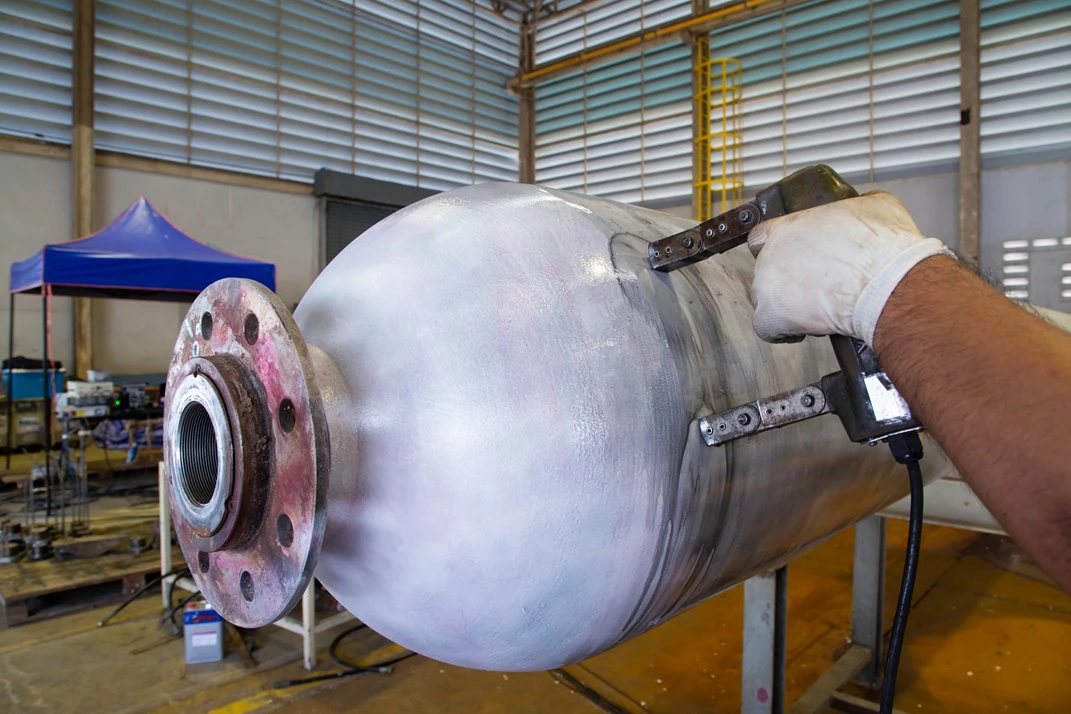
For a practical look at how these factors drive inspection frequency, see:
../Pressure-Vessel/regular-inspections-for-pressure-vessels.html
For typical risk scenarios that inform inspection planning, refer to:
../Pressure-Vessel/risks-associated-with-pressure-vessels.html
Pressure Tank: Inspection Focus and Testing Requirements
A pressure tank is usually a small to medium pressure vessel used in building services, utilities and process systems. Even though many are low to medium pressure, they still fall under pressure vessel inspection requirements once they exceed certain pressure-volume thresholds.
Typical pressure tank services
- Water pressure and expansion tanks in buildings
- Utility and process water tanks on packaged skids
- Chemical dosing and small process feed tanks
- Hydraulic and pneumatic accumulators and surge tanks
Inspection and testing focus for pressure tanks
For this type of pressure vessel, inspection programs usually emphasise:
-
External visual inspection
Coating condition, leaks, deformation, external corrosion, nozzle loads, support condition. -
Internal visual inspection (where access is practical)
Corrosion, pitting, scale, erosion at inlets/outlets, internal coating breakdown. -
Non-destructive testing (NDT)
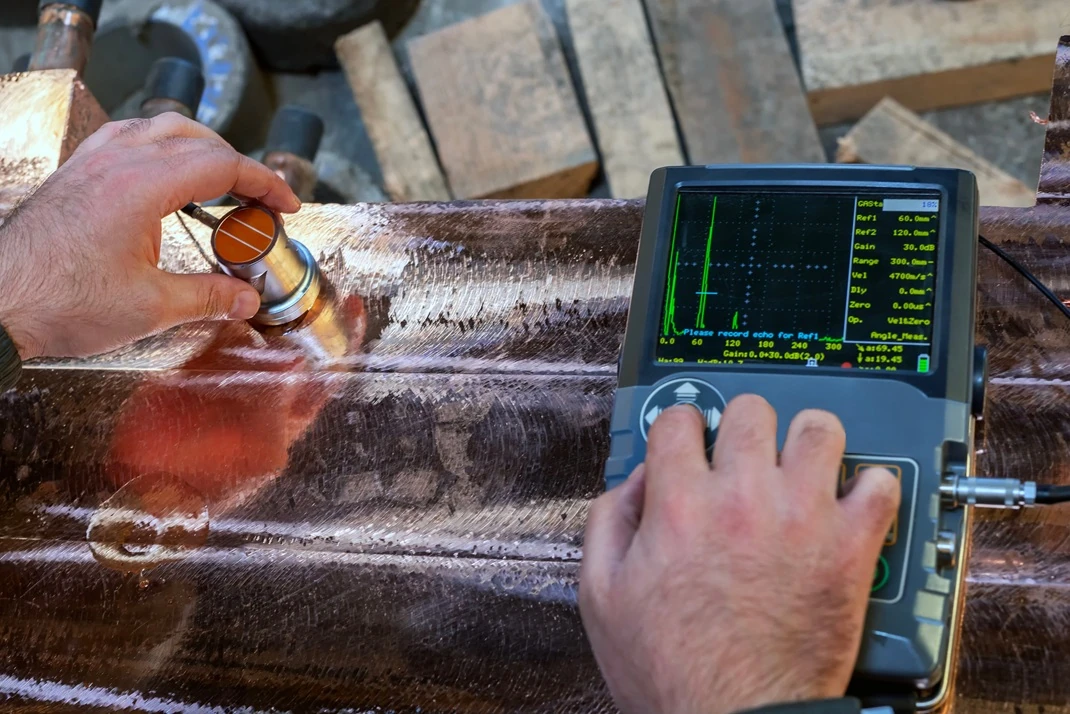
- Ultrasonic testing (UT) for wall thickness and local defect screening
- Magnetic particle inspection (MPI) or dye penetrant inspection (DPI) on suspect welds and attachments
-
Hydrostatic testing
Proof test after manufacture, major repair or alteration, as required by standards and design code.
The exact testing requirements depend on hazard level, contents and history. Lower-risk pressure tanks may be managed with longer intervals and simpler inspection scope than high-hazard pressure vessels.
For a summary of in-service inspection and NDT methods applied to pressure vessels, see:
../Pressure-Vessel/What-are-pressure-vessels-key-insights-and-importance-of-ndt.html
Boiler: Intensive Inspection and Testing Requirements
A boiler is a high-risk form of pressure vessel that generates steam or high-temperature water. Boiler inspection and testing are more stringent than for many other vessels because failure can be catastrophic.
Boiler inspection priorities
-
Internal visual inspection
Drum internals, ligaments between tube holes, tube ends, water walls and headers for cracking, pitting, grooving and scale. -
External visual inspection
Signs of leaks, hot spots, deformation, refractory damage, and insulation breakdown. -
NDT testing
- UT thickness checks on drums, headers and shell sections
- PAUT on critical welds and high-stress areas
- MPI on ferromagnetic welds and nozzles
- DPI on stainless or non-magnetic components
-
Hydrostatic testing
Carried out after fabrication and after major repairs at pressures specified in the design. -
Functional testing
Safety valves, pressure switches, level controls, flame safeguards and interlocks.
AS 3788 sets mandatory boiler inspection intervals (internal and external) and documentation requirements, which are enforced by state and territory regulators and insurers as part of overall pressure vessel inspection requirements.
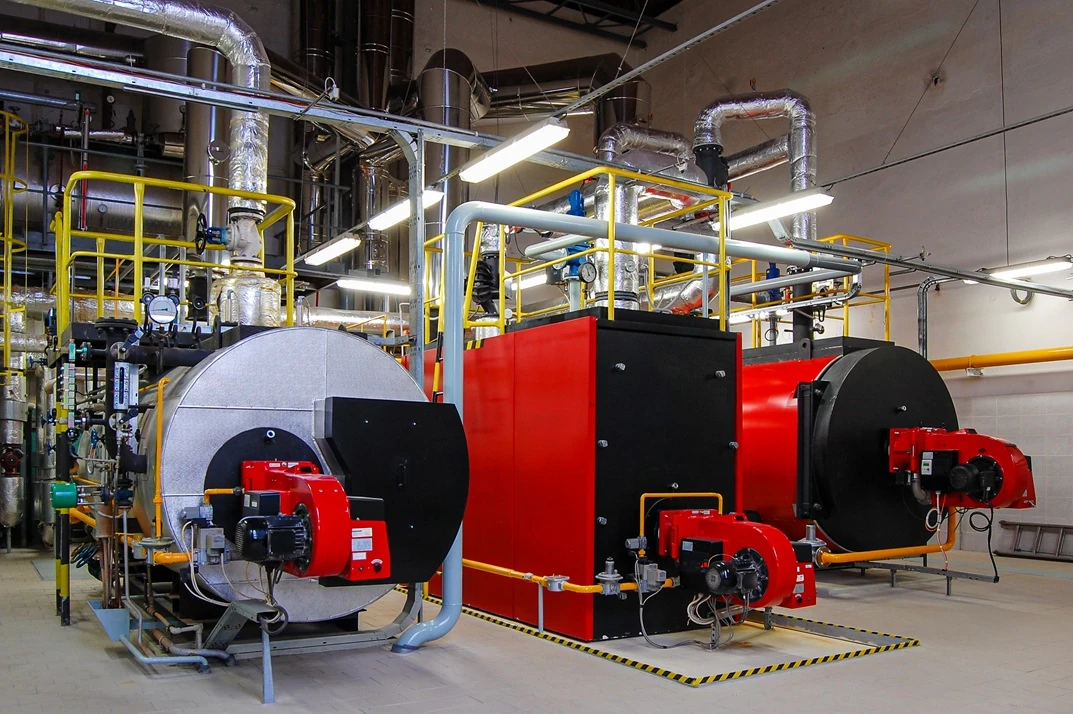
For how NDT supports boiler and other pressure vessel inspections, see:
../Pressure-Vessel/What-are-pressure-vessels-key-insights-and-importance-of-ndt.html
For risk factors that influence how strict your boiler inspection program should be, refer to:
../Pressure-Vessel/risks-associated-with-pressure-vessels.html
Gas Pressure Vessel: High-Hazard Inspection and Testing
A gas pressure vessel stores compressed or liquefied gases such as LPG, LNG, hydrogen, ammonia or industrial gases. These are often categorised as high-hazard pressure equipment and demand robust inspection and testing requirements.
Inspection focus for gas pressure vessels
-
External inspection
Corrosion under insulation, on supports and in splash zones; settlement or distortion; coating failures; impact damage. -
Internal inspection (when entry is possible)
Internal corrosion, pitting, erosion at inlets/outlets, condition of welds and internal coatings. -
NDT testing
- UT thickness mapping to quantify wall loss trends
- PAUT or manual UT on nozzle and seam welds
- MPI on ferromagnetic welds, supports and attachments
- DPI on stainless or non-magnetic welds
-
Leak and functional testing
Tightness of flanges and fittings; safety relief valve inspection, testing and setting verification. -
Hydrostatic testing
Typically at fabrication and after major repairs, due to operational and safety implications.
Given their potential for severe consequence, gas pressure vessels are strong candidates for risk-based inspection (RBI), which formalises how often you apply particular inspection and NDT techniques.
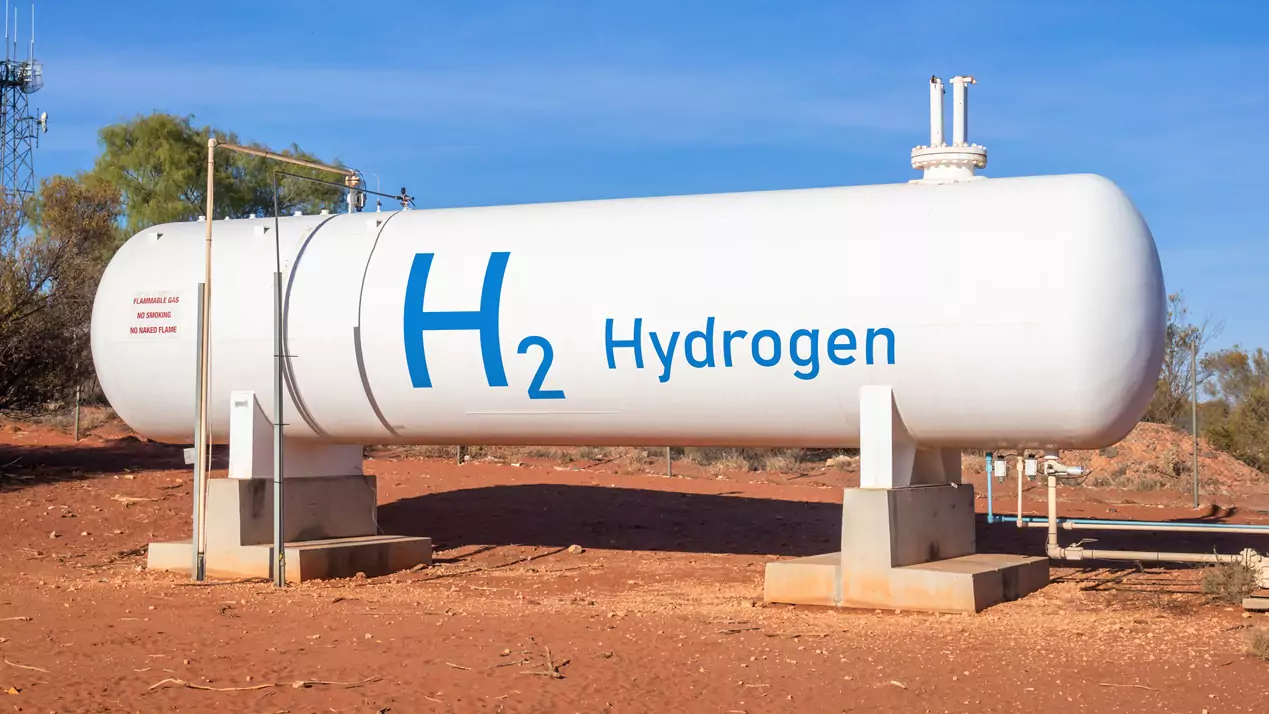
For a risk-focused view of gas and other high-hazard pressure vessels, see:
../Pressure-Vessel/risks-associated-with-pressure-vessels.html
Air Pressure Vessel: Air Receiver Inspection Requirements
An air pressure vessel (air receiver) is a ubiquitous form of pressure equipment, found wherever compressed air is used. Although air itself is not flammable, an air receiver failure can be violent, so pressure vessel inspection is mandatory above certain thresholds.
Inspection scope for air receivers
-
External visual inspection
Corrosion at supports, under insulation or lagging, local damage, nameplate legibility, condition of nozzles and drains. -
Internal visual inspection (where possible)
Corrosion and pitting from condensate, sludge build-up, coating failures. -
NDT testing
- UT spot thickness checks at representative locations, especially low points and under saddles
- MPI or DPI on welds in suspect locations or repairs
-
Functional testing
Operation and set pressure of safety relief valves; operation of manual and automatic drains; gauge condition. -
Hydrostatic testing
At fabrication and after alteration or significant repair, or where required by standards.
In many jurisdictions, air receivers must be registered as plant once their pressure-volume product or hazard level exceeds specific limits. Inspectors use AS 3788 to define air receiver inspection intervals and scope.
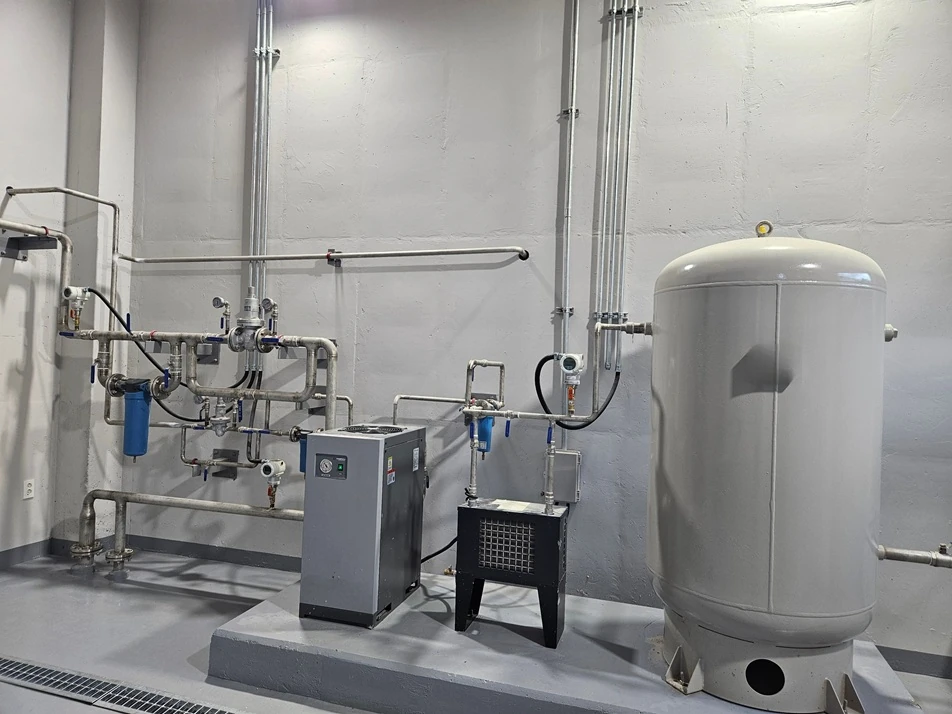
For typical inspection intervals and influencing factors across all pressure vessels, including air receivers, refer to:
../Pressure-Vessel/regular-inspections-for-pressure-vessels.html
Storage Vessel: Pressurised Storage Inspection and Testing
A storage vessel is a pressure vessel whose primary function is bulk, long-term storage of pressurised liquids or gases. Typical examples include LPG bullets, CO₂ storage vessels, ammonia tanks and bulk refrigerant storage.
Inspection requirements for storage vessels
-
External inspection
Coating and insulation condition; evidence of corrosion under insulation; settlement or distortion at supports; fire-proofing condition for supports and skirts. -
Internal inspection (where feasible)
Corrosion, pitting, sludge, product deposits, weld integrity and internal coating condition. -
NDT testing
- UT thickness surveys to build a corrosion profile over time
- PAUT / UT on nozzle and seam welds
- MPI / DPI on welds, supports and areas of high stress
-
Hydrostatic testing
Generally performed at fabrication and after major repairs, as regular in-service hydrotests are often impractical. -
Relief device testing
Safety valve inspection, testing, re-certification and documentation.
Bulk storage pressure vessels usually fall into higher hazard levels, so inspection intervals are often determined through risk-based inspection methodologies in line with AS 3788, AS 4343 and WHS expectations.
For discussion of how risk and operating conditions shape inspection schedules, see:
../Pressure-Vessel/regular-inspections-for-pressure-vessels.html
Large Pressure Vessel: Strategy for High-Consequence Equipment
A large pressure vessel is any major item of pressure equipment where size, complexity and consequence of failure are all high - for example tall columns, large reactors, big heat exchanger shells or large LPG spheres and bullets.
Inspection challenges on large pressure vessels
- Access for internal and external inspection (scaffolding, rope access, drones)
- Confined space requirements for internals such as trays and packing
- Complex support and load paths (skirts, saddles, anchor bolts, bracing)
- Extended downtime during outages to safely complete inspection and NDT
NDT and testing on large vessels
- Visual inspection (VT) - extensive internal and external coverage
- UT thickness mapping - detailed corrosion profiles across shells and heads
- PAUT - critical welds, nozzle intersections, complex geometries
- MPI / DPI - high-stress locations, weld toes, bracket and support attachments
- Hydrostatic testing - typically limited to fabrication or major modifications due to cost and risk
Large pressure vessels are strong candidates for formal risk-based inspection programs, where inspection scope and intervals are justified by quantified risk rather than fixed rules alone.
For examples of how large assets are supported with PAUT, MPI, hydrostatic testing and drone inspection, see:
https://www.apecinspect.com.au
For risk concepts that underpin these programs, refer to:
../Pressure-Vessel/risks-associated-with-pressure-vessels.html
NDT Testing Methods in Pressure Vessel Inspection
Across all vessel types, non-destructive testing (NDT) is central to effective pressure vessel inspection. Each technique offers different strengths and is chosen based on material, geometry, access and risk.
Core NDT methods used on pressure vessels
-
Visual Inspection (VT)
Baseline internal and external examination of all pressure vessels. -
Ultrasonic Testing (UT)
Measures wall thickness and detects internal flaws; widely used for corrosion monitoring. -
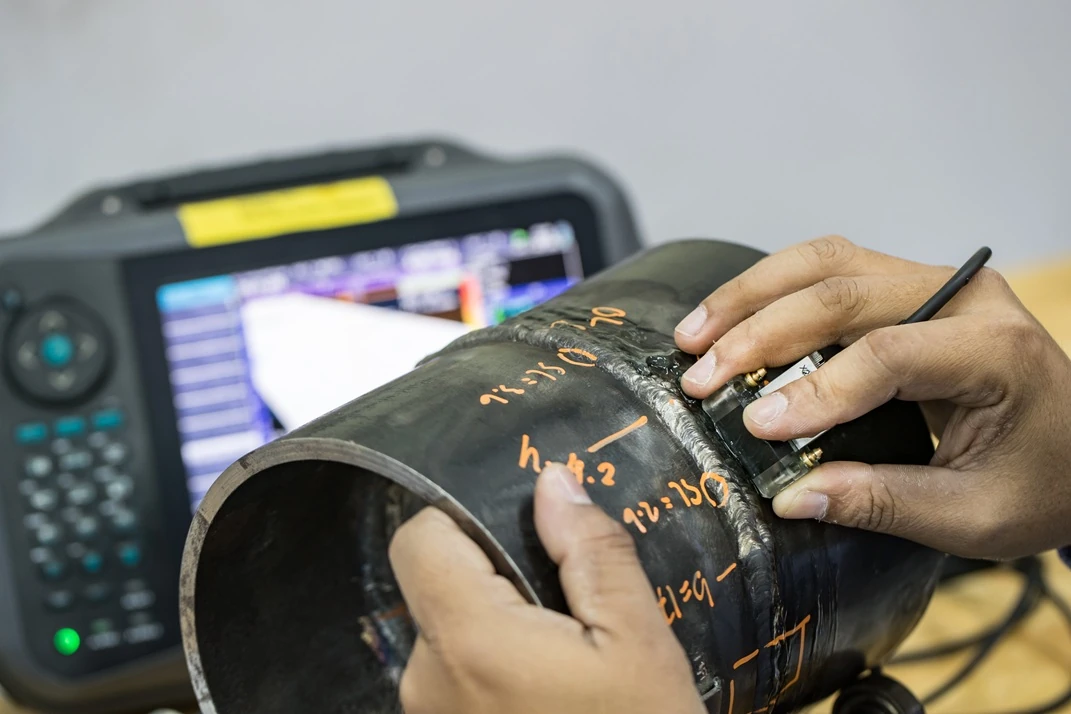
Phased Array Ultrasonic Testing (PAUT)
Advanced UT that provides high-resolution imaging of welds and complex areas; ideal for large and critical pressure vessels. -
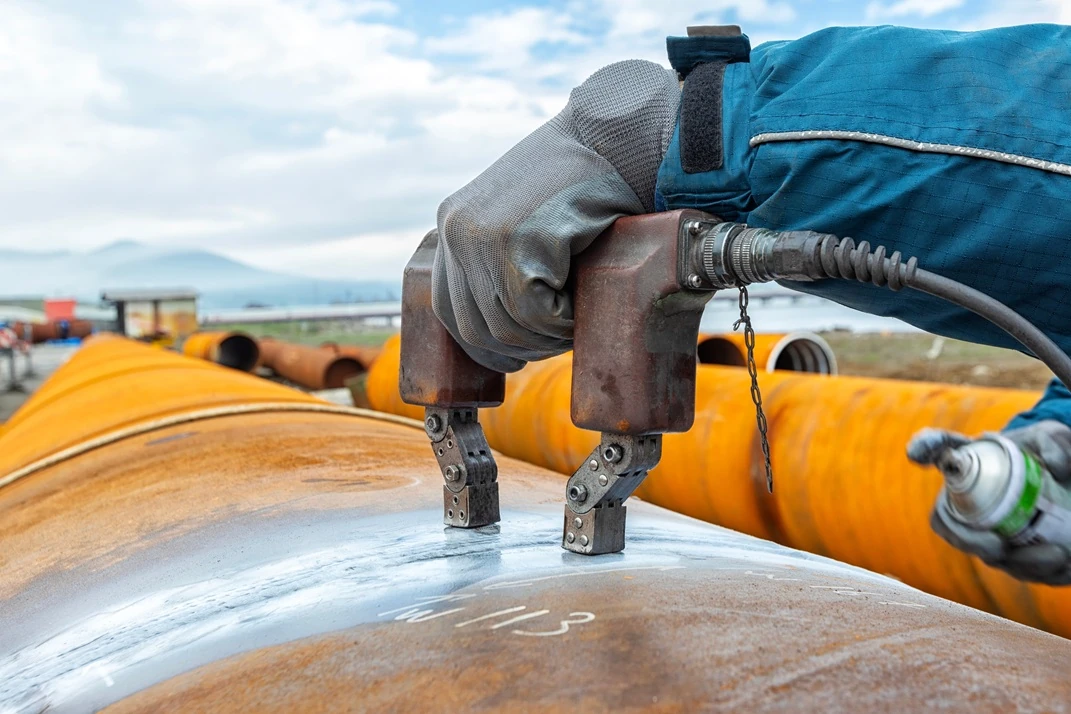
Magnetic Particle Inspection (MPI)
Detects surface and near-surface cracks in ferromagnetic steels; used extensively on welds, nozzles and supports. -
Dye/Liquid Penetrant Inspection (DPI/LPI)
Surface crack detection on stainless steels and non-ferrous alloys. -
Eddy Current Testing
Often applied to heat-exchanger tubes and certain small components. -
Hydrostatic Testing
Proof pressure testing after manufacture, alteration or major repair.
These methods are governed by AS/NZS 1171 and related standards, with technicians certified to ISO 9712 (via AINDT) to satisfy Australian regulatory and industry expectations.
For a detailed explanation of NDT methods in the context of pressure vessel inspection, see:
../Pressure-Vessel/What-are-pressure-vessels-key-insights-and-importance-of-ndt.html
For a comprehensive guide to magnetic particle inspection specifically, refer to:
../magnetic-particle-inspection/magnetic-particle-inspection-wet-dry-testing-guide-australia.html
Inspection Frequency and Regulatory Requirements
In Australia, inspection frequency and pressure vessel inspection requirements are shaped by a combination of standards and WHS law.
Key standards and frameworks
-
AS 3788 - In-service inspection of pressure equipment
Defines inspection types, intervals and minimum examination requirements. -
AS 4343 - Pressure equipment - Hazard levels
Provides hazard classification that feeds into registration and inspection needs. -
AS/NZS 1171 and related NDT standards
Set general and method-specific rules for MPI, UT, DPI, PAUT and other techniques. -
ISO 9712 / AINDT
Certification framework for NDT technicians.
State regulators such as SafeWork NSW adopt these standards and apply additional administrative requirements, including design registration, plant registration and mandated inspection intervals for certain pressure equipment.
From a practical scheduling point of view, most plants use:
- Routine visual checks (e.g. quarterly or semi-annual walk-downs)
- Comprehensive in-service inspections with NDT every 1-3 years
- Hydrostatic tests at manufacture and at longer intervals or post-repair
Actual intervals vary by vessel type, hazard level and history. Risk-based inspection methods may justify extension or reduction of these intervals.
For a focused discussion on inspection intervals, see:
../Pressure-Vessel/regular-inspections-for-pressure-vessels.html
For NSW and Sydney-specific regulatory context, including pressure vessel and NDT requirements, refer to:
https://www.apecinspect.com.au/sydney
Mapping Vessel Types to Inspection and Testing Choices
Each pressure vessel type aligns with a characteristic inspection and testing profile. This mapping helps you design a targeted, efficient inspection program.
-
Pressure tank
Lower to medium risk; focus on external/internal visual inspection, UT thickness checks, and hydrostatic testing after significant repair. -
Boiler
High-risk steam service; requires rigorous internal and external VT, UT/PAUT on drums and headers, MPI/DPI on welds, hydrostatic testing and extensive functional testing of safety devices. -
Gas pressure vessel
High hazard, compressed or liquefied gases; uses VT, UT mapping, PAUT on welds, MPI/DPI, leak and relief valve testing, and RBI-driven intervals. -
Air pressure vessel (air receiver)
Compressed air; utilises VT, UT spot checks, safety-valve and drain function tests and hydrostatic tests post-alteration. -
Storage vessel
Bulk pressurised storage; requires VT (including under insulation), UT mapping, weld NDT, relief valve testing and often RBI to manage inspection frequency. -
Large pressure vessel
High-consequence equipment such as columns and reactors; inspection combines VT with complex access planning, UT/PAUT, MPI/DPI, and sometimes drones or rope access under a formal risk-based inspection framework.
A structured asset register that tags each vessel by type, hazard level and service conditions makes it much easier to apply the correct pressure vessel inspection requirements and NDT strategy across your fleet.
For additional background on pressure vessel risks that inform these choices, see:
../Pressure-Vessel/risks-associated-with-pressure-vessels.html
Choosing an Inspection and NDT Partner for Pressure Vessels
Meeting your pressure vessel inspection requirements safely and efficiently depends on partnering with an inspection provider that combines technical competence, NDT capability and regulatory understanding.
What to look for in a pressure vessel inspection provider
- NATA accreditation to ISO/IEC 17025 for relevant NDT methods
- ISO 9712 / AINDT-certified technicians experienced with your vessel types
- Proven knowledge of AS 3788, AS 4343, AS/NZS 1171 and state WHS requirements
- Coverage of multiple NDT services - VT, UT, PAUT, MPI, DPI, eddy current, hydrostatic testing, drone inspection and coating inspection
- Experience across sectors such as mining, manufacturing, hydrogen, oil and gas, power generation, marine and infrastructure
A provider with integrated pressure vessel inspection and NDT services can develop a coherent inspection program for boilers, pressure tanks, gas vessels, air receivers, storage vessels and large pressure vessels, reducing downtime and strengthening compliance.
For an overview of such integrated services, see:
https://www.apecinspect.com.au
Conclusion: Align Vessel Type, Inspection and Testing Requirements
Effective pressure vessel inspection is not one-size-fits-all. The right testing methods, inspection intervals and documentation requirements depend heavily on whether you are dealing with a pressure tank, boiler, gas pressure vessel, air pressure vessel, storage vessel or large pressure vessel.
By aligning vessel type with:
- Appropriate visual and NDT techniques (UT, PAUT, MPI, DPI, eddy current)
- Risk-based inspection principles where justified
- Regulatory frameworks such as AS 3788, AS 4343 and WHS law
You can reduce the chance of leaks, ruptures and unplanned outages, while meeting your statutory inspection requirements and extending asset life.
If you are unsure whether your current program meets Australian expectations for the mix of pressure vessels on your site, working with a NATA-accredited, ISO 9712-qualified inspection provider is the safest and most efficient way forward.
Comprehensive NDT Solutions: The APEC Inspect Advantage
APEC Inspect offers a complete range of NDT and inspection services, each complementing the others to provide comprehensive asset integrity solutions. Our Newcastle-based team brings decades of combined experience across all major industries in New South Wales and beyond.
Why Choose APEC Inspect?
- Comprehensive Expertise: From basic visual inspection to advanced PAUT, we offer the full spectrum of NDT services.
- Australian Standards: All our work complies with relevant Australian standards and international codes.
- Certified Personnel: Our team maintains current certification across all inspection methods.
- Modern Equipment: We continuously invest in the latest NDT technology.
- Customer Focus: We understand that each client's needs are unique and tailor our services accordingly.
Industry Coverage
We serve multiple sectors including:
- Mining and Resources
- Manufacturing
- Hydrogen Plants
- Power Generation
- Oil and Gas
- Marine
- Construction
- Infrastructure
Contact Us
For more information about any of our services or to discuss your specific inspection needs, contact our Newcastle office. Our technical team is ready to develop a comprehensive inspection program tailored to your requirements.
Recent Posts












© apecinspect.com.au. All Rights Reserved. Designed by Peritus Digital