What API 653 Actually Covers
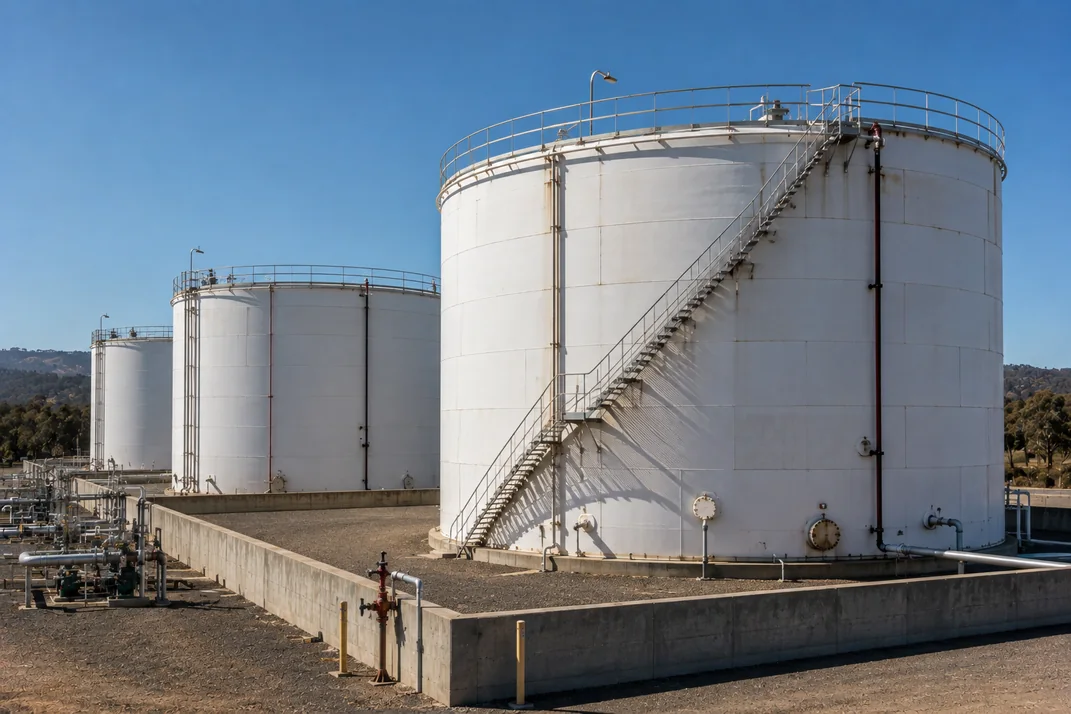
API 653 is the American Petroleum Institute standard for the inspection, repair, alteration and reconstruction of above-ground storage tanks that are already in service. It is the code that takes over once a tank has been built and commissioned, and it is the reference most Australian asset owners are pointed to when an insurer, auditor or regulator asks how a tank's condition is being managed.
The distinction that trips people up is between building a tank and keeping it running. A new tank is designed, fabricated and tested to a construction code, almost always API 650 or, for older assets, the superseded API 12C. API 653 does not replace those codes. It sits on top of them, governing what happens across the decades a tank spends in service, and it repeatedly refers back to the original construction code when setting acceptance criteria for repairs.
In practice, API 653 answers four questions: how often the tank should be looked at, what should be examined, how the findings are evaluated against the code, and what has to happen when something falls short. Everything else in the standard supports those four.
The Three Inspection Types
API 653 recognises three distinct levels of inspection, and they are not interchangeable.
Routine in-service inspection is the walk-around. It is carried out frequently, does not require the tank to be taken out of service, and can generally be performed by an owner's own trained personnel. It looks for the obvious: signs of leakage, distortion, foundation settlement, coating breakdown, condition of appurtenances and stairways.
External inspection is a formal, documented assessment carried out with the tank still in service. It covers the shell, roof, foundation, anchorage, insulation, coatings and fittings, and it includes checking for settlement around the base. It has a maximum interval set by the standard.
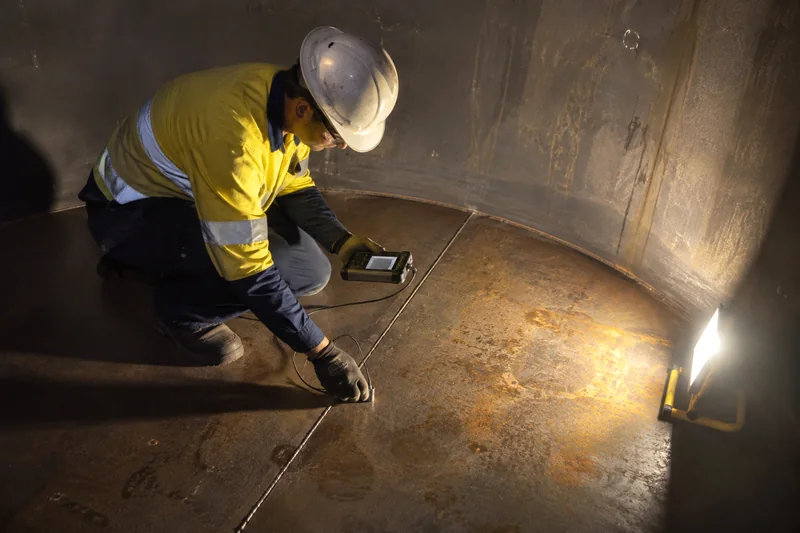
Internal inspection is the substantial one. The tank is taken out of service, emptied, cleaned and made safe for entry so the floor, the critical zone where the floor meets the shell, and the lower shell courses can be assessed directly. This is where the bulk of the thickness data comes from, and it is the inspection that sets the tank's remaining life.
Internal and external inspections under API 653 are required to be carried out or supervised by suitably qualified inspection personnel, and the resulting evaluation relies on engineering assessment rather than observation alone.
How Inspection Intervals Are Set
The external inspection runs on a ceiling interval measured in years, or on a shorter risk-based interval where conditions justify it. The internal inspection is different, and this is the part most often misunderstood: there is no universal calendar figure.
The interval to the next internal inspection is driven by the measured corrosion rate of the floor. An inspection records thickness at defined locations. Comparing those readings against the previous inspection gives a rate of loss per year. That rate, set against the minimum thickness the floor must retain, produces the remaining life, and the next internal inspection is scheduled inside that window with a margin.
The consequence is that two identical tanks on the same site can carry very different intervals. A tank holding a clean, non-aggressive product may run a long time between internals. A tank in corrosive service, or one with a history of water bottoms, will come up far sooner. Setting intervals from measured data rather than a fixed calendar is the single biggest practical difference between a compliant programme and a nominal one.
This is one of the reasons the first inspection of an older tank with no history can be more involved than subsequent ones. Without a previous data set there is no corrosion rate to work from, so the assessment has to be more conservative until a trend exists.
Inside an Internal Inspection
Once the tank is empty, cleaned and certified safe for entry, the assessment concentrates on the components that carry the greatest consequence of failure.
The floor takes the most attention, because most tanks deteriorate from the bottom. Water and sediment settle out of the product and sit on the plate, and corrosion attacks from the underside where nothing is visible during an external inspection. The floor is scanned to find metal loss on both surfaces, and indications are then measured to establish remaining thickness.
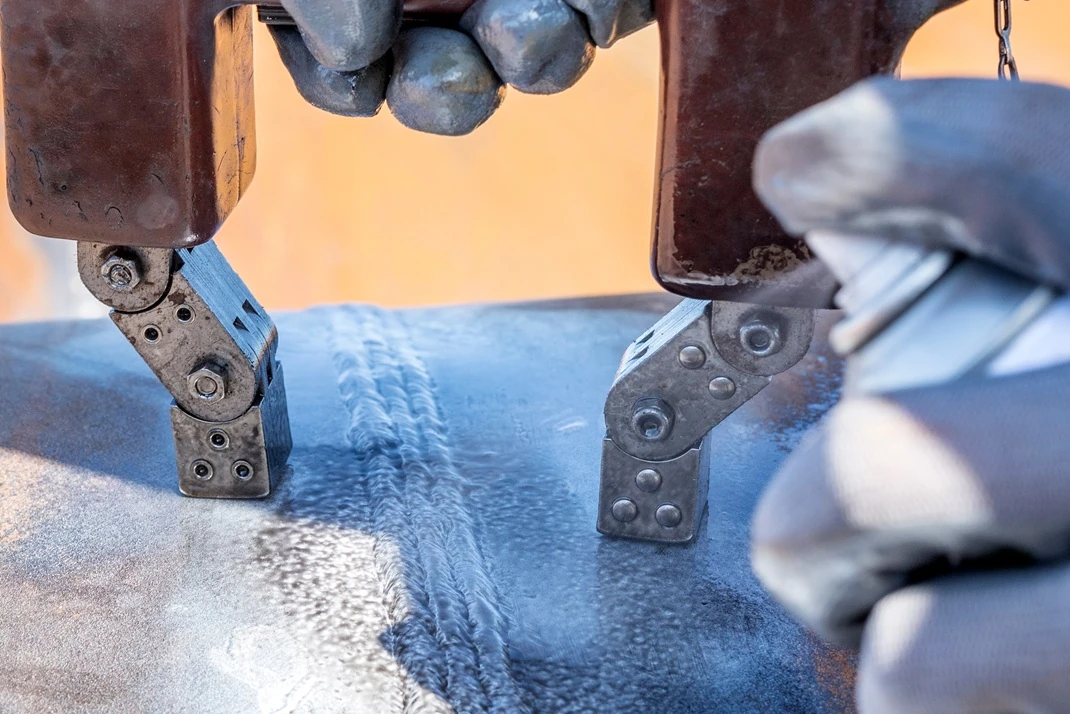
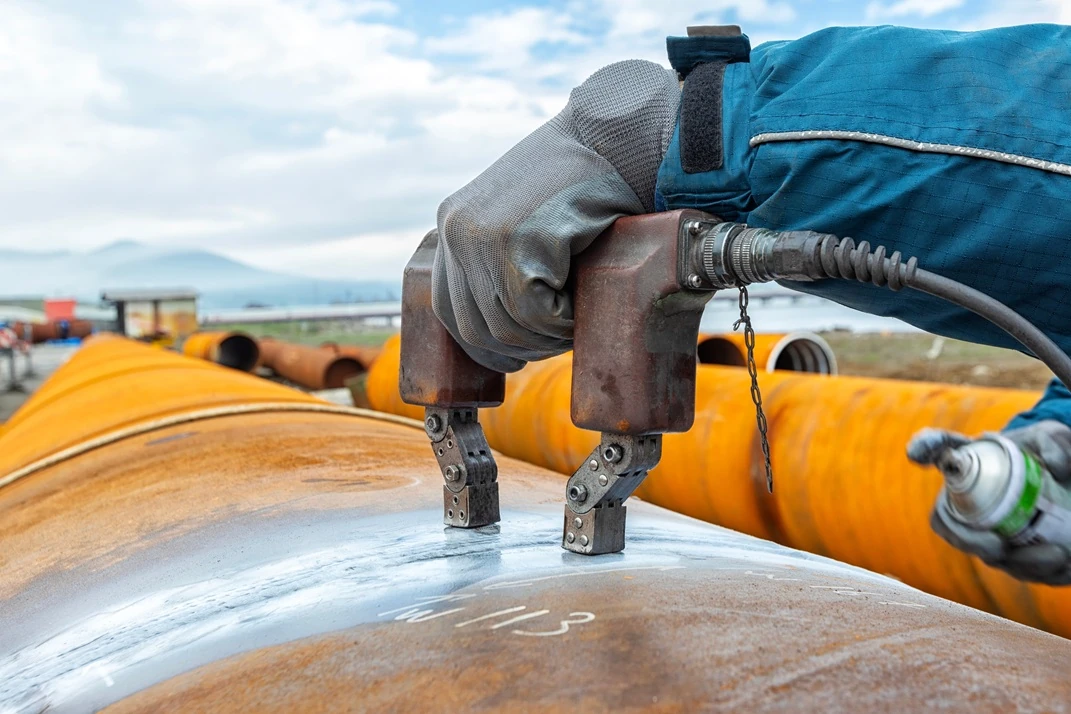
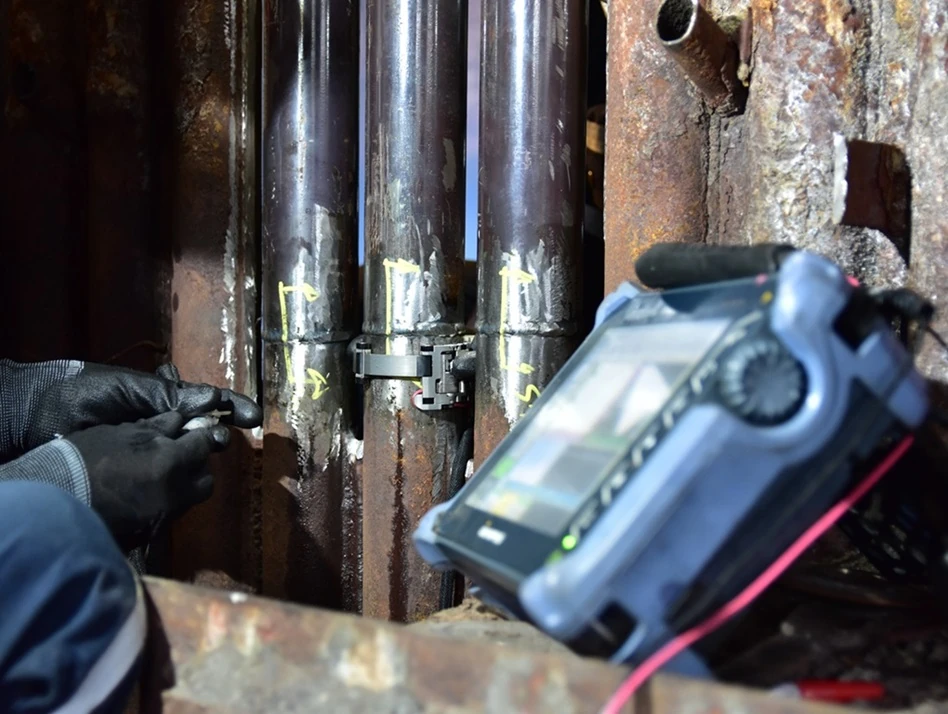
The critical zone is the annular ring where the floor meets the shell. It carries high stress and is a common location for problems, so it is examined closely, often with magnetic particle inspection on the welds.
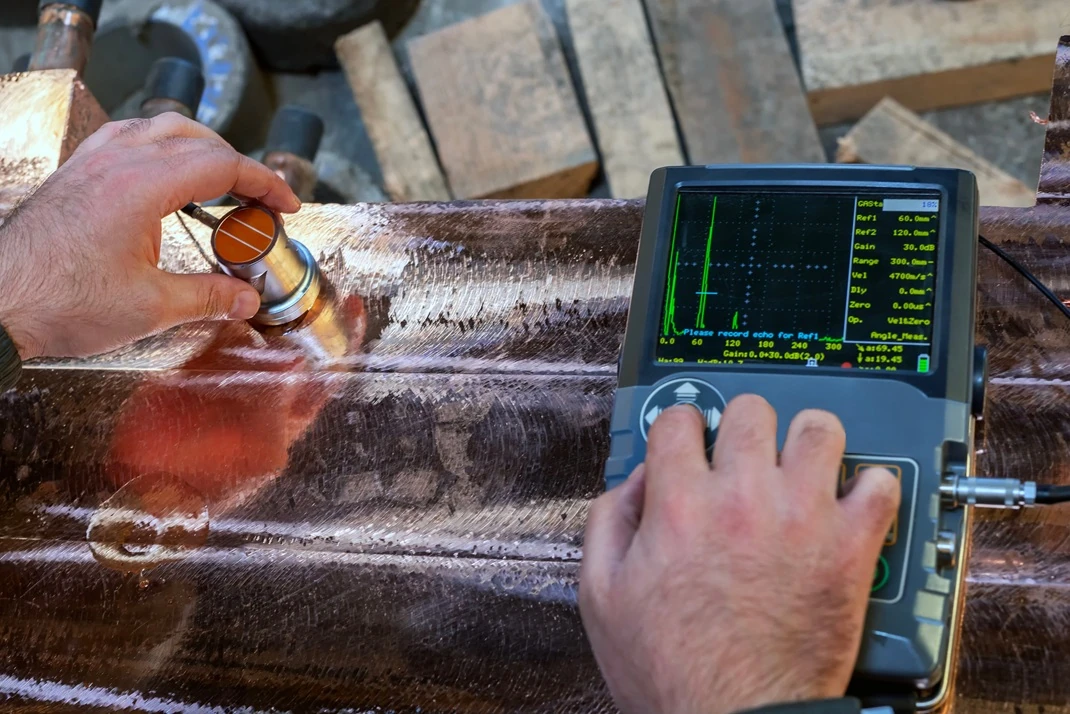
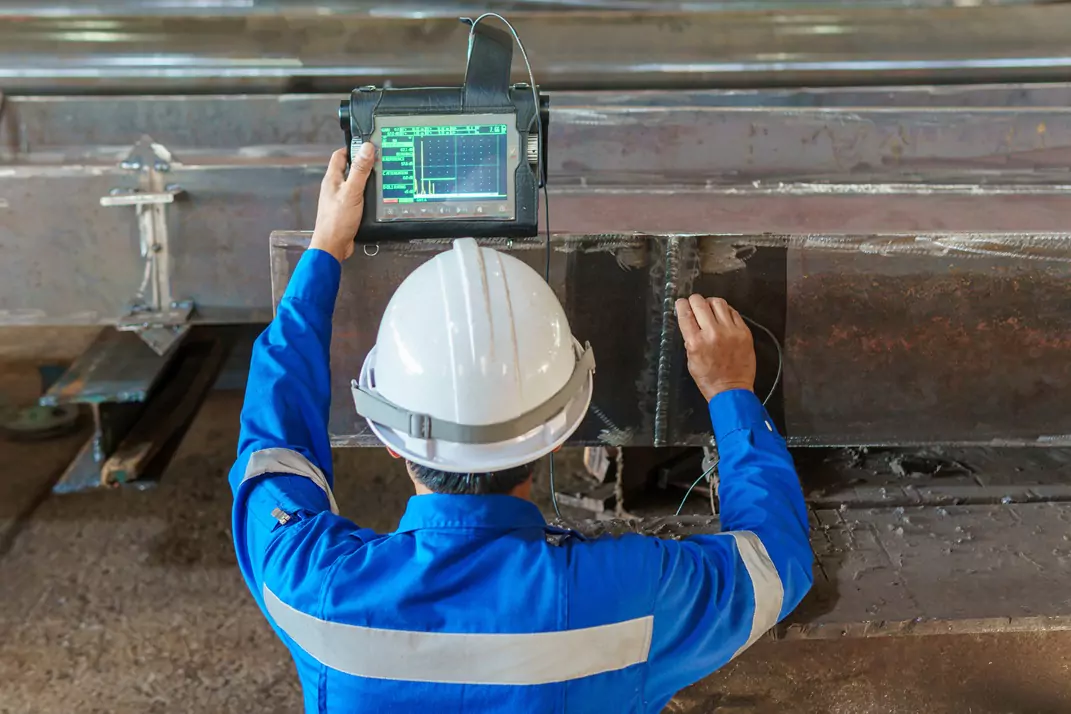
The shell is checked for general and localised thinning using ultrasonic thickness testing, and for out-of-roundness and distortion. Shell courses are assessed individually because the required minimum thickness varies with height and product.
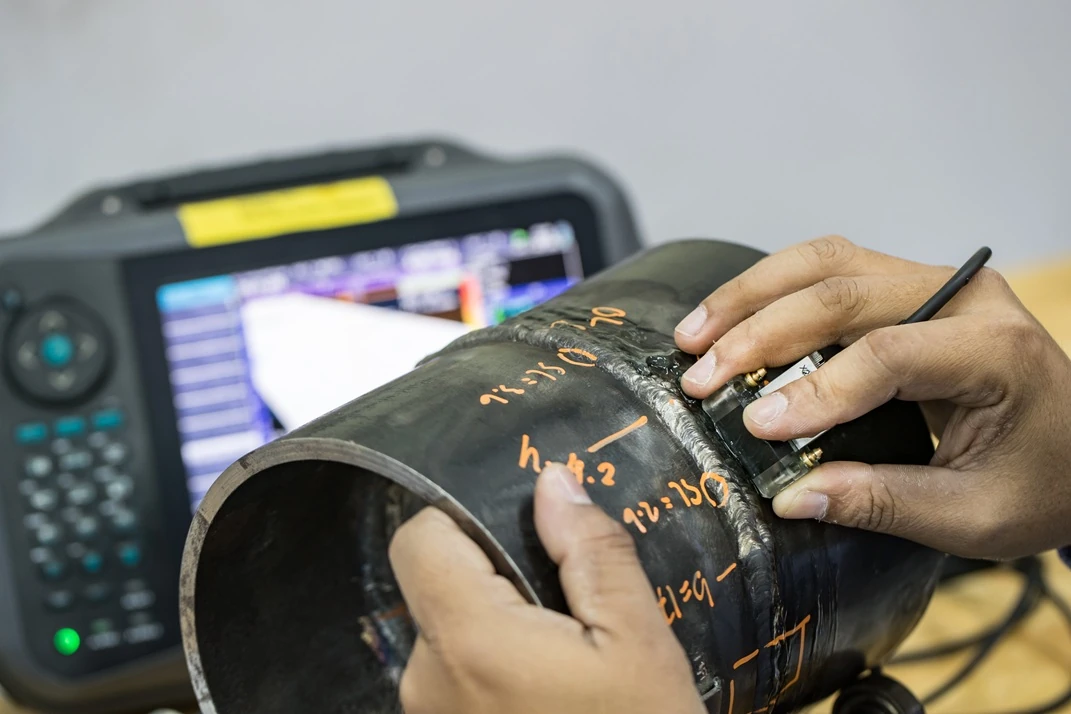
Welds and coatings are examined for cracking and breakdown. Where an internal lining exists, coating inspection assesses its condition, since a failed lining accelerates everything underneath it.
Foundation and settlement are surveyed around the base. Differential settlement puts stress into the shell and floor that no thickness reading will reveal on its own.
Turning Findings Into Numbers
An API 653 inspection is not finished when the observations are written down. The standard is built around an evaluation step that converts measurements into decisions.
For each shell course and for the floor, the code sets out how to calculate the minimum thickness the component must retain to remain fit for service at its operating conditions. The measured thickness is compared against that figure. The difference between the current reading and the previous one, divided by the years between them, gives the corrosion rate. Remaining life follows from the margin still available and the rate at which it is being consumed.
That calculation is what allows an owner to plan. Instead of a report saying a tank is corroded, the output says how much life remains, when the next internal inspection falls due, and whether any component is already below the acceptable limit. Where a component fails the assessment, the options are to derate the tank to a lower operating level, repair or replace the affected plate, or shorten the interval and monitor more closely.
Repairs and Alterations
API 653 also governs what happens after the inspection. A repair has to return the tank to the requirements of the code it was originally built to. That is why the construction code still matters decades later, and why identifying it correctly at the start of an assessment is not an academic exercise.
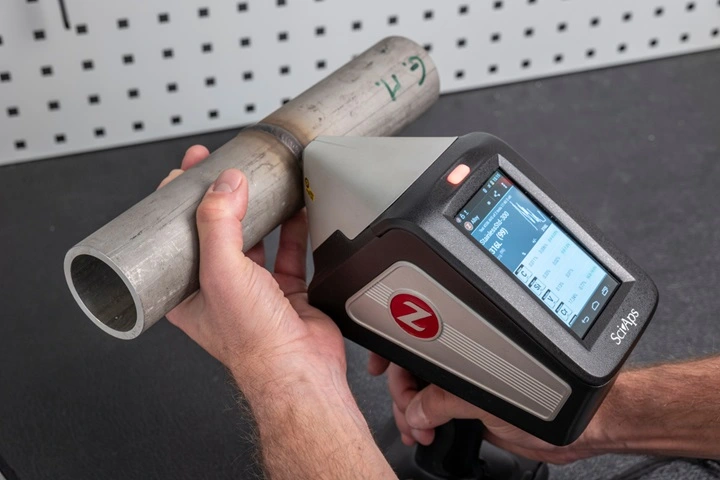
Repairs commonly involve replacing floor plate, patching or replacing shell plate, or reworking welds. The standard sets out acceptable methods, materials and examination requirements for each. Weld repairs are typically subject to non-destructive examination afterwards, and positive material identification may be used to confirm that replacement material matches specification.
Where a repair is significant, a hydrostatic test may be required before the tank returns to service to prove the repaired structure under load.
How API 653 Fits With the Australian Standards
API 653 and API 650 are American codes, and they are used widely in Australia because they are the recognised international reference for above-ground storage tanks. They do not operate in isolation here.
AS 1692 covers the construction of steel tanks for flammable and combustible liquids. AS 1940 covers the storage and handling of those liquids on site, including bunding, separation distances and operational controls. Together they set the Australian framework a tank sits inside, while the API codes provide the detailed design and in-service assessment methodology.
For a tank holding flammable product in Australia, a complete picture usually means reading the API assessment alongside the applicable Australian standards, because a tank can be structurally sound under API 653 and still be non-compliant on a site issue governed by AS 1940. Any competent report should make clear which codes it has been written against.
What to Look For in an Inspection Provider
Because API 653 is an evaluation standard rather than a checklist, the value of an inspection depends heavily on what comes back in the report. A few things are worth checking before appointing anyone.
Ask whether the report will include the engineering calculations, not just the readings. Thickness data with no minimum-thickness comparison and no corrosion rate leaves you no further forward. Ask where the readings will be taken and whether those locations will be recorded so the next inspection can be compared against them directly. Ask which codes the report will be written against, and confirm the construction code has been identified.
APEC Inspection is a NATA-accredited inspection body and our non-destructive testing is carried out by AINDT-certified technicians. We bring the scanning, thickness testing, weld examination and reporting together in one job, and we mobilise from Newcastle and the Hunter to sites across Australia. You can read more about our storage tank inspection services, or request a quote to talk through an upcoming shutdown.