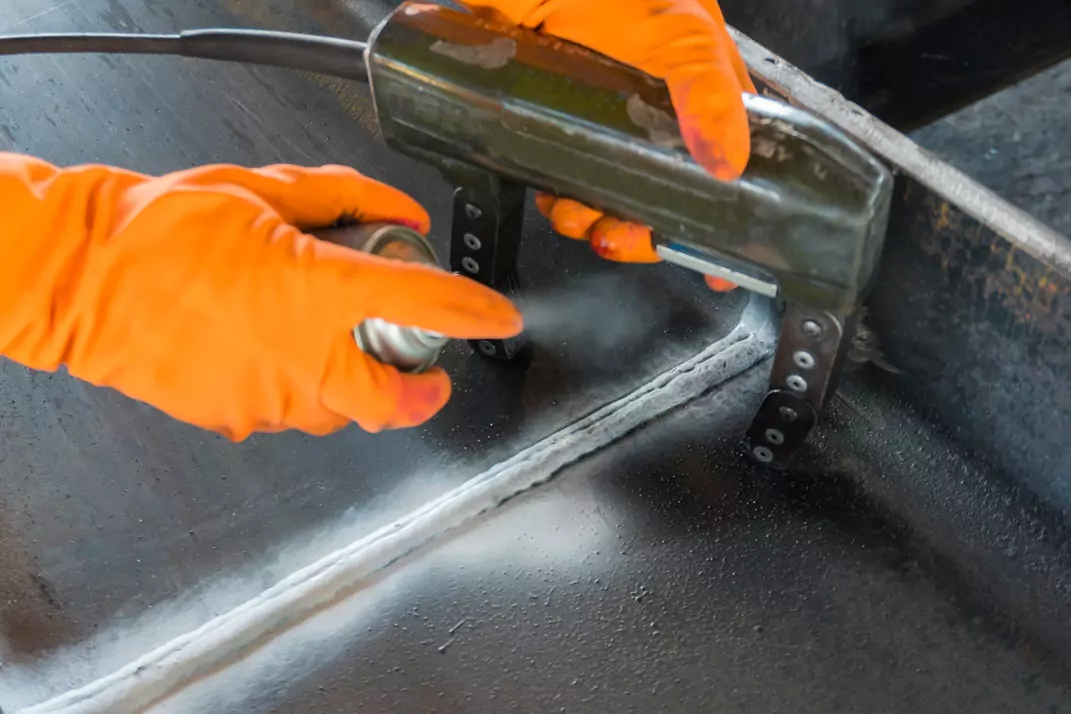
MAGNETIC PARTICLE INSPECTION
APEC Inspection use MPI for the detection of surface and shallow subsurface (near surface) defects.
About Contact UsMAGNETIC PARTICLE INSPECTION
APEC Inspection - Australia's Experts in Magnetic Particle Inspection (MPI)
Magnetic Particle Inspection (MPI) is a non-destructive testing (NDT) process used for the detection of surface and shallow subsurface (near surface) defects and discontinuities in ferromagnetic materials.
Flaw indications generally resemble the actual flaw, which allows for quick identification and repair.
APEC Inspection can provide you with the following MPI Applications: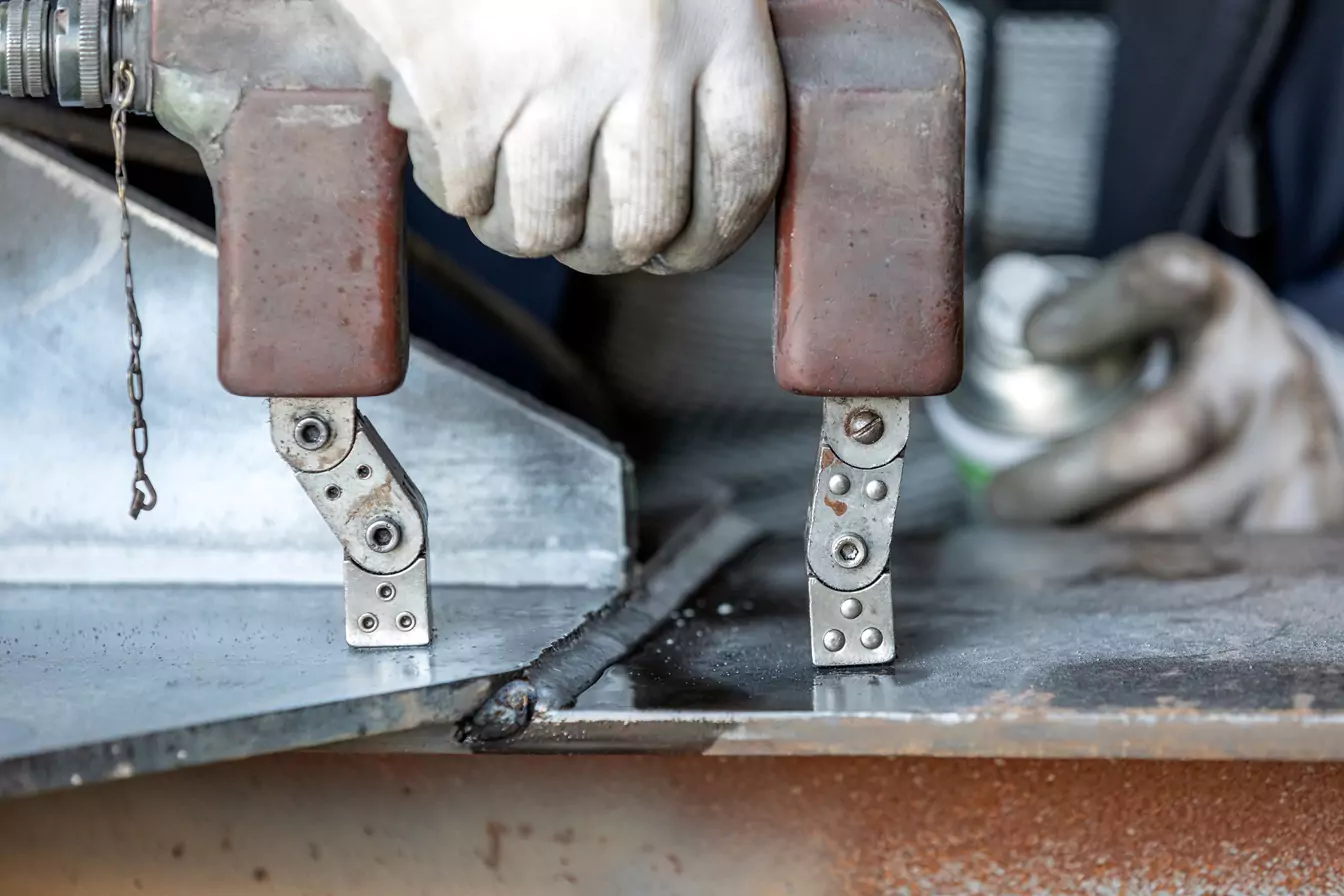
What Is Magnetic Particle Inspection?
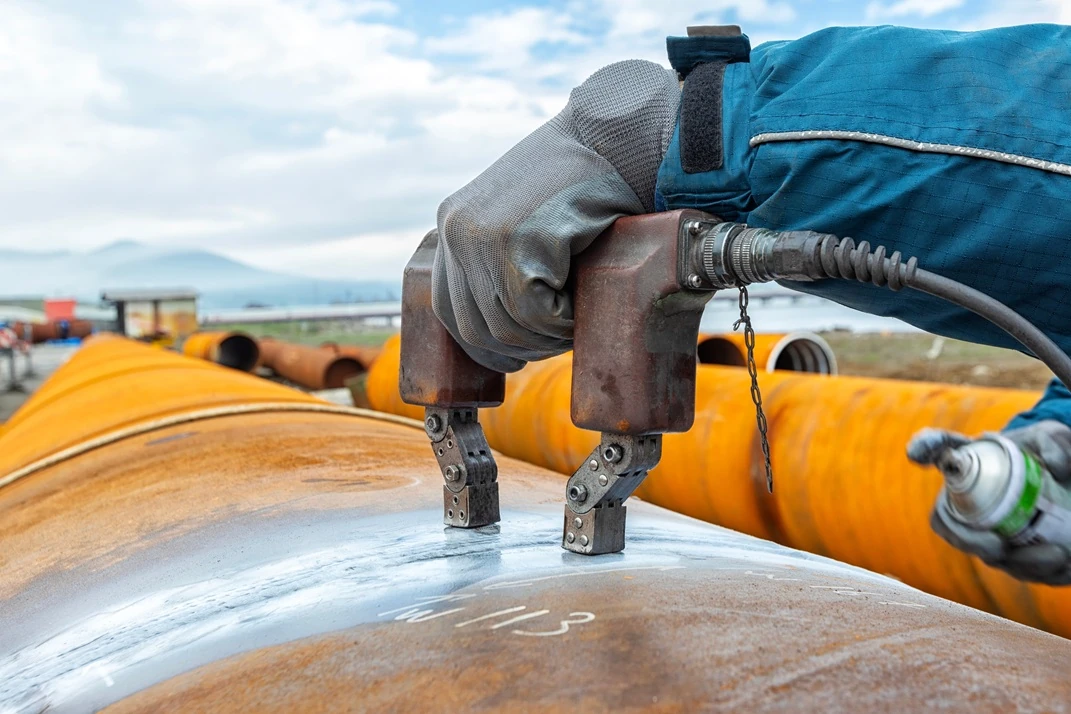
Magnetic particle inspection (MPI), also called magnetic particle testing (MT), is a non-destructive testing method that reveals surface and shallow subsurface discontinuities in ferromagnetic materials. When a component is magnetised, any crack, lap, seam or lack of fusion that interrupts the magnetic field forces some of that field to leak out at the surface. Fine iron particles applied to the part are drawn to this flux leakage and gather along the flaw, producing a visible indication that closely resembles the shape and position of the defect itself. Because the indication mirrors the real flaw, MPI is one of the fastest and most cost-effective ways to confirm the surface integrity of welds, castings and forgings.
How Magnetic Particle Inspection Works
The component is first magnetised using a yoke, prods, a coil or a central conductor, establishing a magnetic field within the material. Ferrous particles — supplied as a dry powder or suspended in a wet carrier, in visible or fluorescent form — are then applied to the surface. Where the field is undisturbed the particles wash away, but at a discontinuity the leakage field holds them in place to form an indication. Fluorescent particles viewed under UV-A (black) light give the highest sensitivity for fine cracks.
Because flaws are only revealed when they lie across the magnetic field, the part is magnetised in at least two perpendicular directions to catch discontinuities in any orientation. Field strength is verified before testing begins, commonly with a flux indicator or a reference block, so that the technique demonstrably has the sensitivity the specification calls for. The component is demagnetised and cleaned afterwards where required.
Wet and Dry Magnetic Particle Testing
The two particle systems suit different work. Dry MPI applies powder directly to the surface and is well suited to rough as-welded profiles, castings, hot surfaces and site work where a wet bath is impractical. Wet MPI suspends finer particles in a liquid carrier, and because those particles are smaller and more mobile they resolve tighter, shallower cracks — which is why wet fluorescent testing is usually specified where sensitivity matters most.
Choosing between them is a technique decision made against the specification, the surface condition and the type of defect expected, not a matter of preference. Our guide to wet and dry magnetic particle testing works through the comparison in detail.
Magnetic Particle Inspection of Welds
Weld inspection is the most common application of MPI. Toe cracks, lack of fusion, undercut, crater cracks and hydrogen-induced cold cracking are all surface or near-surface features, which is exactly what magnetic particle testing is designed to find. Testing is performed to ISO 17638 for welds in ferromagnetic steels, with indications assessed against ISO 23278 or the acceptance criteria in the governing construction code.
MPI is frequently applied at more than one stage: after root runs on critical joints, after completion, and again after any post-weld heat treatment where delayed cracking is a risk. Where a weld also needs volumetric coverage, magnetic particle testing is paired with ultrasonic inspection or phased array ultrasonic testing so both the surface and the body of the joint are examined.
Magnetic Particle Inspection Applications
MPI is used wherever cracking in steel could threaten safety or integrity: weld inspection on structural steel, pressure equipment and pipework; castings and forgings; crane hooks, lifting gear and rigging; shafts, axles and gears; and in-service inspection of heavy plant and rotating equipment. It is a core surface method within a complete integrity program and is frequently run alongside ultrasonic inspection for volumetric coverage, dye penetrant inspection on non-magnetic materials, and visual inspection as the first line of assessment.
On in-service equipment MPI is often the method that confirms whether an indication found during a visual walk-down is a genuine crack or a surface artefact — a distinction that decides whether an asset keeps running or comes offline.
MPI vs Dye Penetrant: Choosing the Right Surface Method
Magnetic particle inspection and dye penetrant inspection are the two main surface methods, and the choice between them is usually settled by the material. MPI is faster, tolerates light surface contamination and can reveal flaws a short distance below the surface, but it works only on ferromagnetic materials. Dye penetrant detects only surface-breaking flaws yet works on virtually any non-porous material, including austenitic stainless steel, aluminium and copper alloys.
Where a component combines both — a carbon steel vessel with stainless internals, for instance — the two methods are used side by side. For defects deeper inside a component, volumetric methods such as ultrasonic or radiographic testing are required. Selecting and justifying the right combination is part of the inspection planning APEC provides for every job.
Australian Standards and Compliance
APEC performs magnetic particle inspection to the relevant Australian and international standards, including AS 1171 (magnetic particle testing of ferromagnetic products, components and structures), ISO 17638 for the testing of welds, and acceptance criteria from ISO 23278 or the applicable construction code such as AS 1554 for structural steelwork and AS/NZS 3788 for pressure equipment.
APEC Inspection Services is certified to ISO/IEC 17025:2017 by the National Association of Testing Authorities (NATA), and our technicians are qualified to ISO 9712 through the Australian Institute for Non-Destructive Testing (AINDT). That combination is what allows a magnetic particle inspection report to stand up to client, regulator and insurer scrutiny rather than simply record an opinion.
When Magnetic Particle Inspection Is Specified
MPI is typically called for at fabrication sign-off, at scheduled in-service inspection intervals, after a repair weld, following an overload or impact event, and as part of a fitness-for-service assessment. It also appears in lifting-equipment regimes, where periodic crack detection on hooks, shackles and load-bearing welds is a condition of continued use.
If you are unsure whether MPI or another method fits your situation, the practical starting point is the material and the defect you are trying to rule out. We are happy to work that through with you before any work is scoped.
What You Receive
Every magnetic particle inspection is issued as a written report identifying the components and welds examined, the technique and equipment used, particle type and magnetisation method, the standard and acceptance criteria applied, the location and extent of any recordable indications, and a clear statement of conformance against those criteria. Indications are photographed and mapped so they can be found again at the next inspection.
Where a component is rejected, the report records what was found rather than prescribing the repair — keeping the inspection independent of the remediation.
Where We Work
APEC is based in Newcastle and works throughout the Hunter, the Central Coast and Sydney, with inspectors mobilising to sites across New South Wales and interstate. Magnetic particle inspection is carried out on site, in workshops, or at our facility depending on what suits the component and the schedule.
For work outside New South Wales, see our Queensland, Victoria, Western Australia and South Australia coverage pages.
Why Choose APEC Inspection for Magnetic Particle Inspection
APEC Inspection is a NATA-accredited inspection body, and our magnetic particle inspection is carried out by AINDT-certified technicians who deliver clear, defensible reporting. We mobilise across Newcastle, the Hunter and nationally, and integrate MPI with the wider NDT and pressure vessel inspection services your assets need. To discuss a magnetic particle inspection, request a quote or call our team directly.
Frequently Asked Questions
- What is magnetic particle inspection (MPI) used for? +
- MPI detects surface and shallow subsurface defects in ferromagnetic materials, including cracks, lack of fusion, laps and porosity in welds, castings and forgings.
- What is the difference between wet and dry magnetic particle testing? +
- Dry MPI applies powder directly to the surface and suits rough as-welded profiles, castings, hot surfaces and site work. Wet MPI suspends finer particles in a liquid carrier, and because those particles are smaller and more mobile they resolve tighter and shallower cracks, so wet fluorescent testing is usually specified where sensitivity matters most.
- Can magnetic particle inspection be used on welds? +
- Yes. Weld inspection is the most common application of MPI. It is performed to ISO 17638 for welds in ferromagnetic steels, with indications assessed against ISO 23278 or the acceptance criteria in the governing construction code. It is often applied after root runs, after completion, and again after post-weld heat treatment.
- What materials can magnetic particle inspection be used on? +
- MPI works only on ferromagnetic materials such as carbon and low-alloy steels, cast iron and many tool steels. Non-ferromagnetic materials like austenitic stainless steel, aluminium and copper cannot be magnetised, so dye penetrant inspection is used on those instead.
- What is the difference between magnetic particle inspection and dye penetrant inspection? +
- MPI uses a magnetic field and iron particles to reveal surface and slightly subsurface flaws in ferromagnetic materials, while dye penetrant inspection uses a liquid dye to reveal only surface-breaking flaws but works on virtually any non-porous material, including non-magnetic metals.
- Can MPI detect subsurface defects? +
- MPI reliably finds surface-breaking and shallow near-surface defects, typically within a few millimetres of the surface. Deeper internal flaws are better found with ultrasonic or radiographic testing.
- What standard covers magnetic particle testing in Australia? +
- Magnetic particle testing in Australia is commonly performed to AS 1171, with weld testing to ISO 17638 and acceptance to ISO 23278 or the relevant construction code such as AS 1554. Technicians are certified to ISO 9712.
- Is APEC Inspection NATA accredited for magnetic particle inspection? +
- APEC Inspection Services is certified to ISO/IEC 17025:2017 by the National Association of Testing Authorities (NATA), and magnetic particle inspection is carried out by technicians qualified to ISO 9712 through the Australian Institute for Non-Destructive Testing (AINDT).
- What is included in a magnetic particle inspection report? +
- The report identifies the components and welds examined, the technique and equipment used, the particle type and magnetisation method, the standard and acceptance criteria applied, the location and extent of any recordable indications, and a clear statement of conformance. Indications are photographed and mapped so they can be located again at the next inspection.
- Does magnetic particle inspection damage the component being tested? +
- No. MPI is a non-destructive method. The component is magnetised only temporarily and is demagnetised and cleaned after testing where required, leaving it fit for continued service.
If You Have Any Query, Feel Free To Contact Us
Whether you'd like a fast quote, have a technical question, or want to schedule magnetic particle inspection, the APEC team is ready to help.







Blog Category: Magnetic Particle Inspection
Evolution of Magnetic Particle Inspection (MPI)
Explore the history and evolution of magnetic particle inspection (MPI), from early…
READ MORE →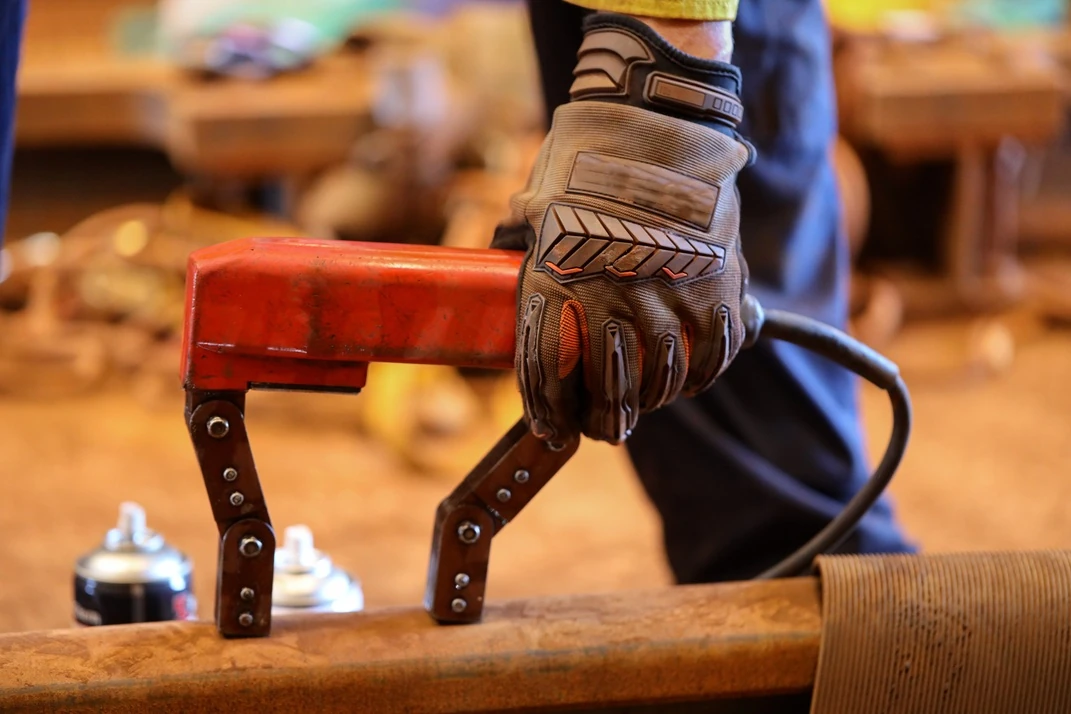
MPI in Australian Manufacturing & Rail
Discover how magnetic particle inspection (MPI) ensures safety and quality in…
READ MORE →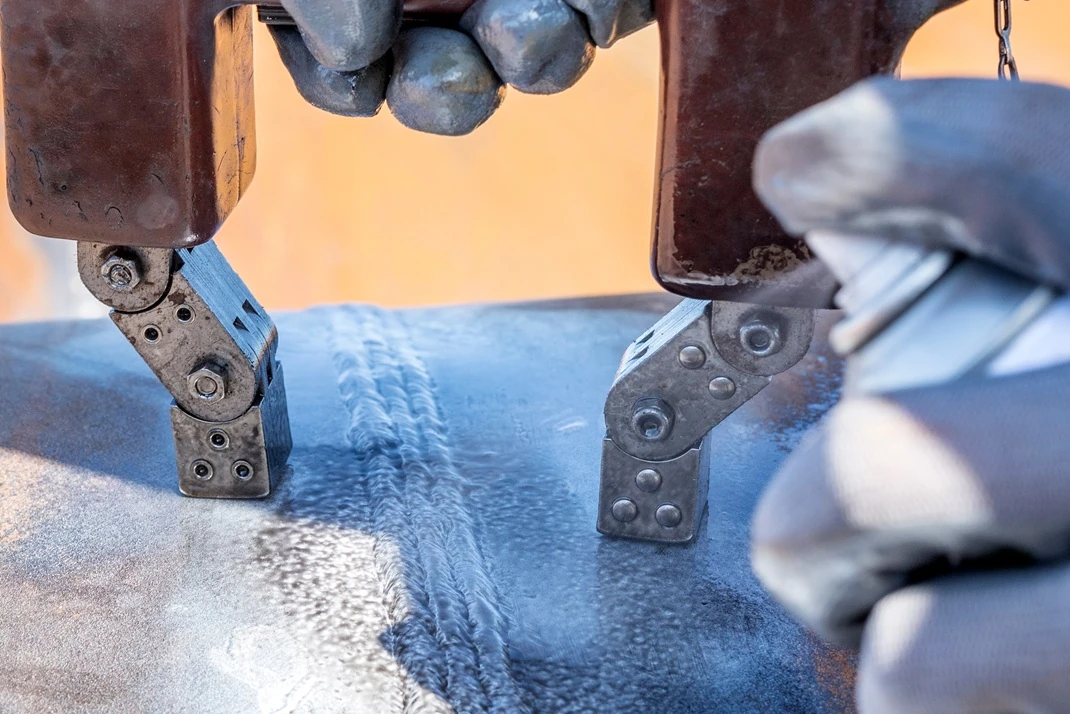
MPI Safety Standards in Australian Industries
Learn how magnetic particle inspection (MPI) meets Australian safety standards,…
READ MORE →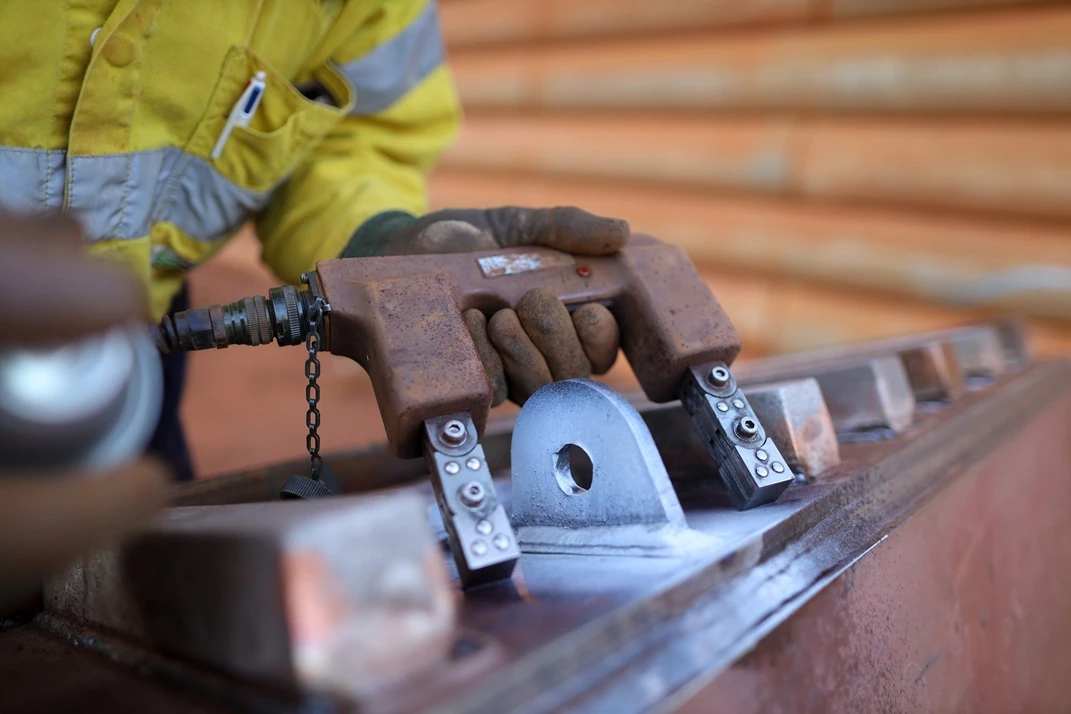
Wet & Dry MPI Testing Guide Australia
Learn about MPI wet and dry testing methods, when to use each technique, and…
READ MORE →© apecinspect.com.au. All Rights Reserved. Designed by Peritus Digital. Powered by LYFE AI