Hydrogen Infrastructure in the Hunter
Hydrogen production capacity is being developed in the Hunter region. A renewable hydrogen project at Kooragang Island near Newcastle has been publicly announced, with construction planned and production targeted for the end of the decade.
Projects of this kind bring pressure equipment, piping and storage into a region that already has a substantial industrial base. That equipment is subject to the same fundamental question as any other pressure asset: is it fit for the service it is in, and how is that being demonstrated?
This article sets out what hydrogen facilities consist of from an inspection standpoint, and which non-destructive testing methods their equipment calls for. It is written for engineers and procurement leads scoping that work.
What a Hydrogen Facility Contains
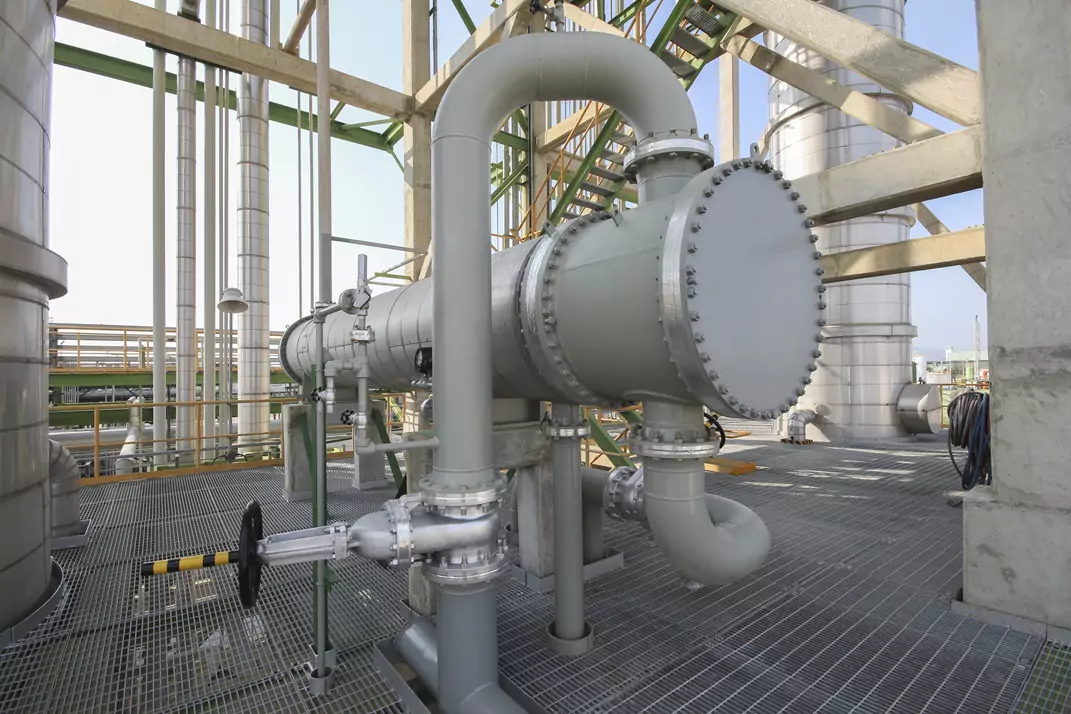
From an inspection perspective, a hydrogen facility is a collection of familiar asset types operating in a service that changes their requirements.
Electrolysers and their associated equipment, where water is split into hydrogen and oxygen. The pressure-containing components and the pipework around them are the inspectable elements.
Compression equipment, moving hydrogen to storage or distribution pressure. Compressors bring their own vibration and fatigue considerations alongside the hydrogen exposure.
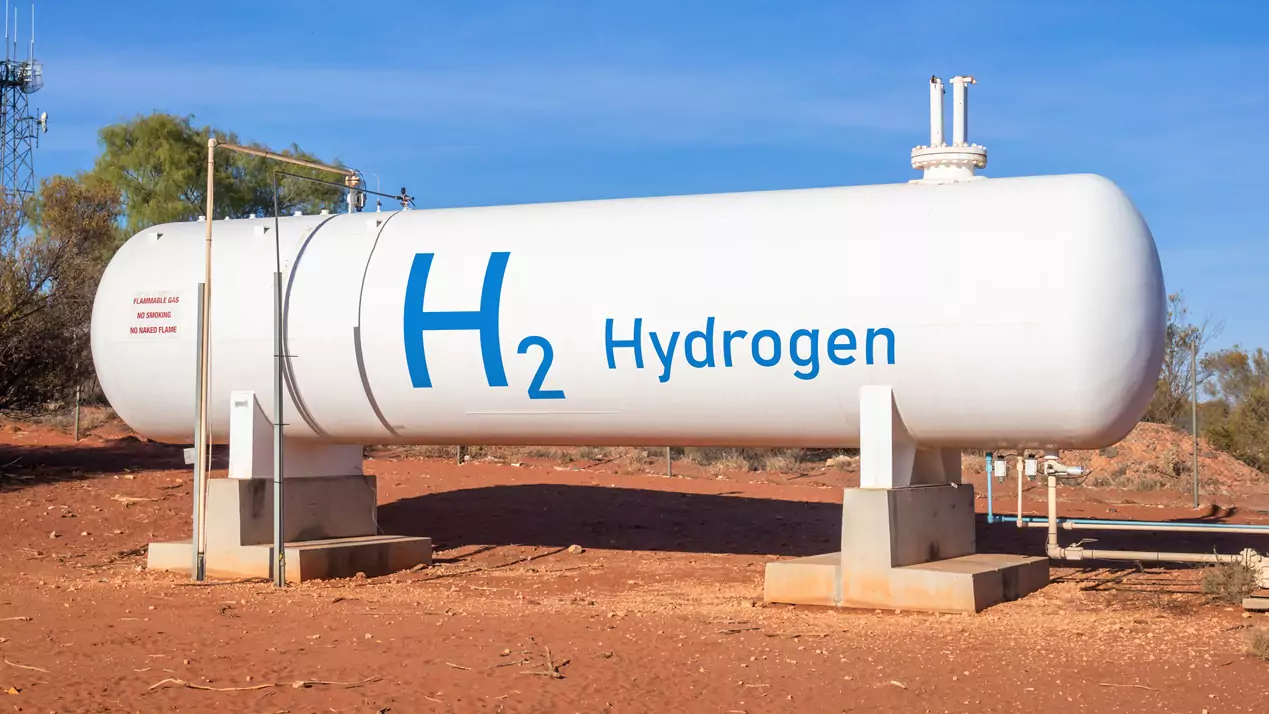
Storage vessels. Hydrogen is stored under pressure, which places these squarely within pressure equipment requirements. We cover the broader category in our guide to types of pressure vessels used in Australian industry, and general vessel inspection on our pressure vessel inspection page.
Piping and pipelines connecting all of it, which is where the largest number of welds sits and therefore where much of the examination effort goes.
Balance of plant — the cooling, water treatment, power and instrumentation systems, largely conventional but part of the same integrity picture.
What the Codes Require of That Equipment
Hydrogen service is treated more conservatively than ordinary service because hydrogen reduces the ductility of steel. The mechanism is covered in our guide to hydrogen embrittlement, and the piping requirements in what the hydrogen piping code asks for.
The requirements fall into three groups.
Material control. Composition governs how hard the heat-affected zone becomes when welded, and hardness governs susceptibility. Verification of what the material actually is therefore functions as a control measure — covered in our guide to carbon equivalent and material verification.
Weld quality. Welds are the most stressed part of an assembly, the most likely location for a flaw, and the most vulnerable to the service environment. Procedure control before the joint is made, examination after.
Demonstrated integrity. Pressure testing of completed systems, and re-examination on an interval set by consequence and conditions rather than a fixed calendar.
The Methods That Satisfy Those Requirements
The methods are ordinary NDT methods applied with a particular emphasis. The requirements above are satisfied by:
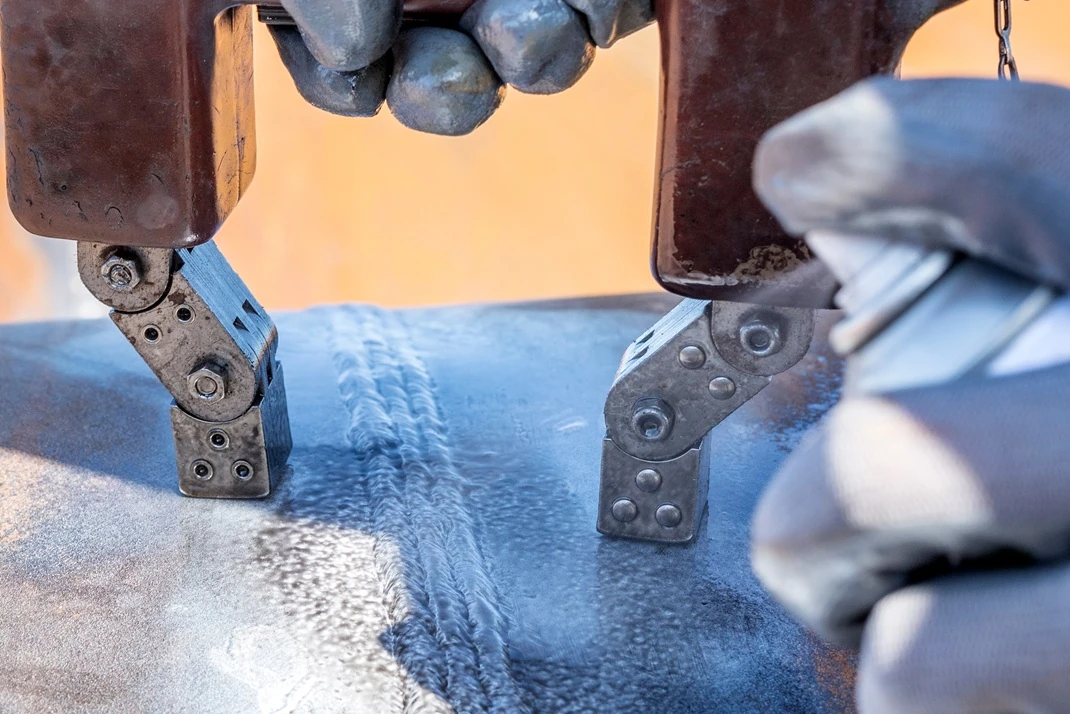
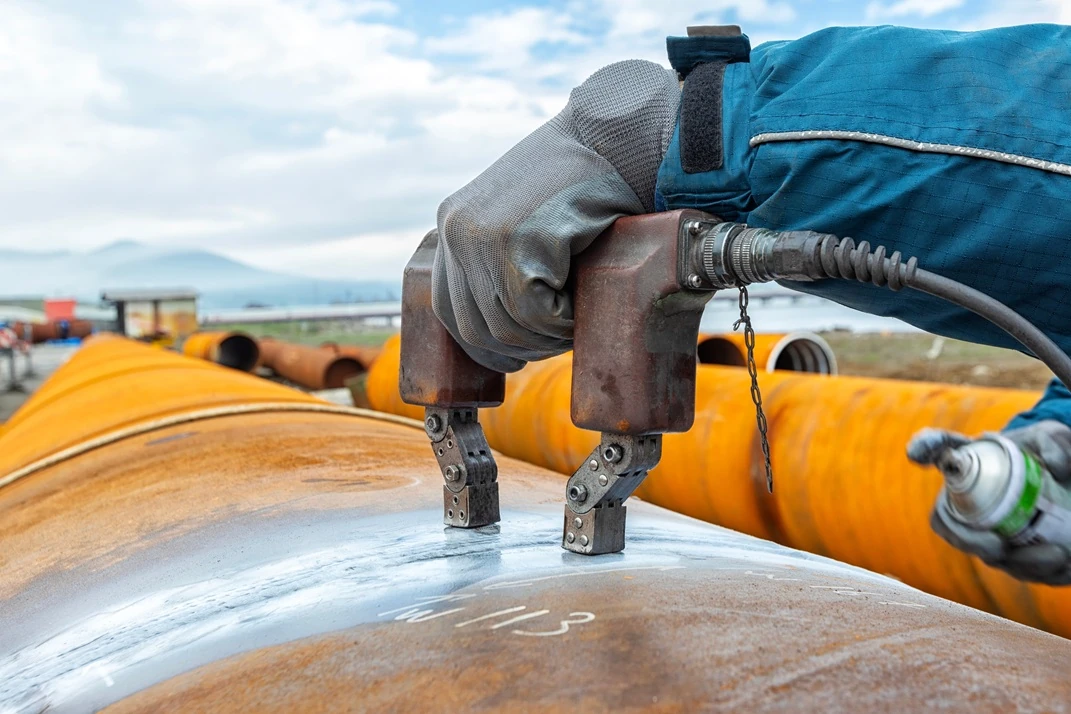
Magnetic particle inspection and liquid penetrant testing — surface and near-surface crack detection on welds and heat-affected zones, on magnetic and non-magnetic materials respectively.
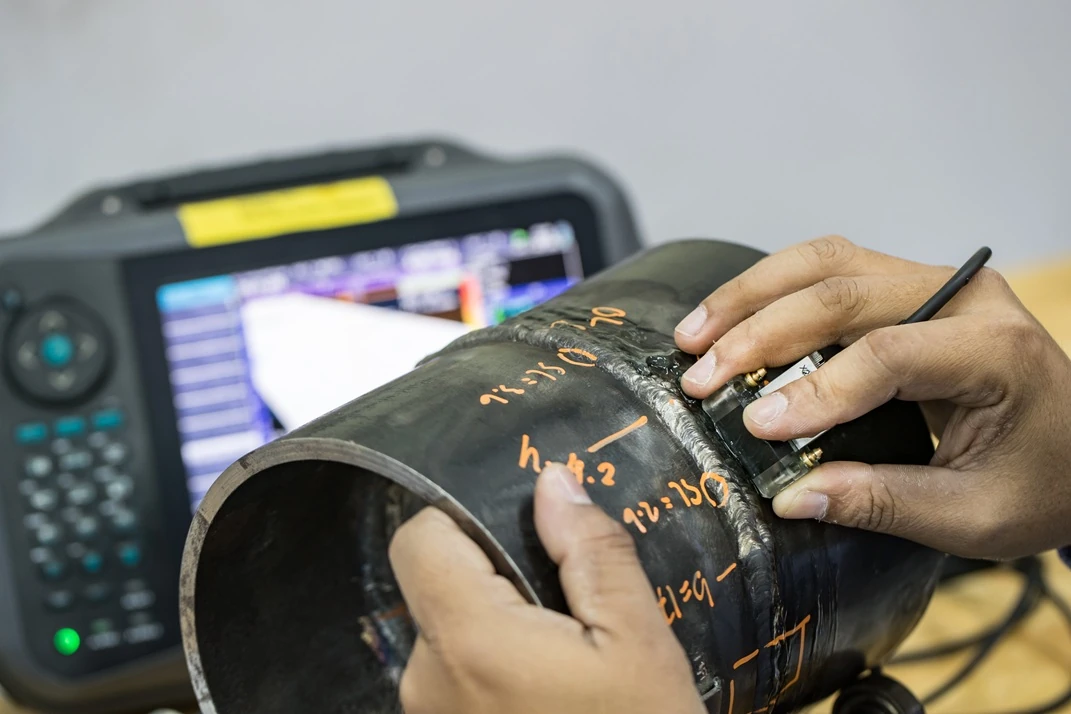
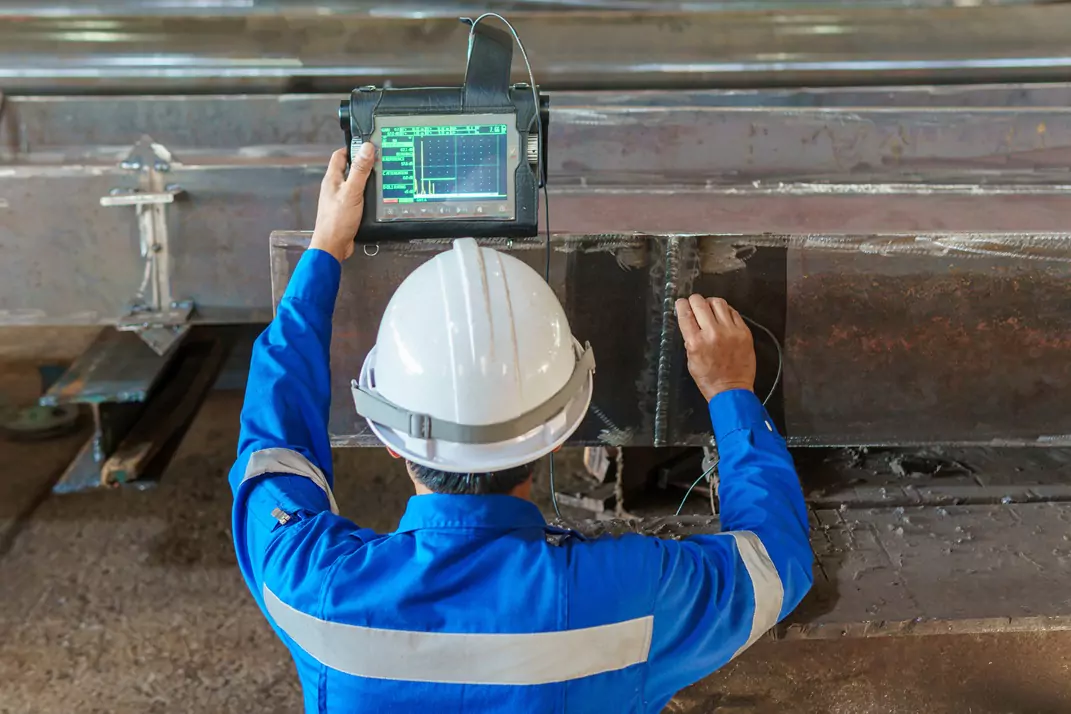
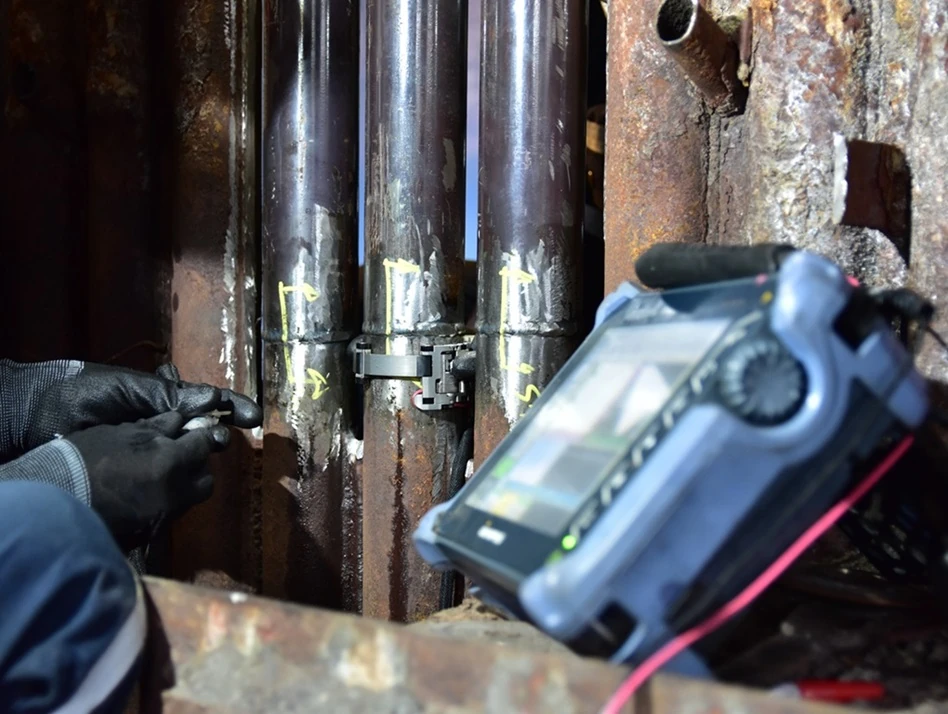
Phased array ultrasonic testing — volumetric examination of welds, producing a recordable cross-sectional image well suited to planar flaws.
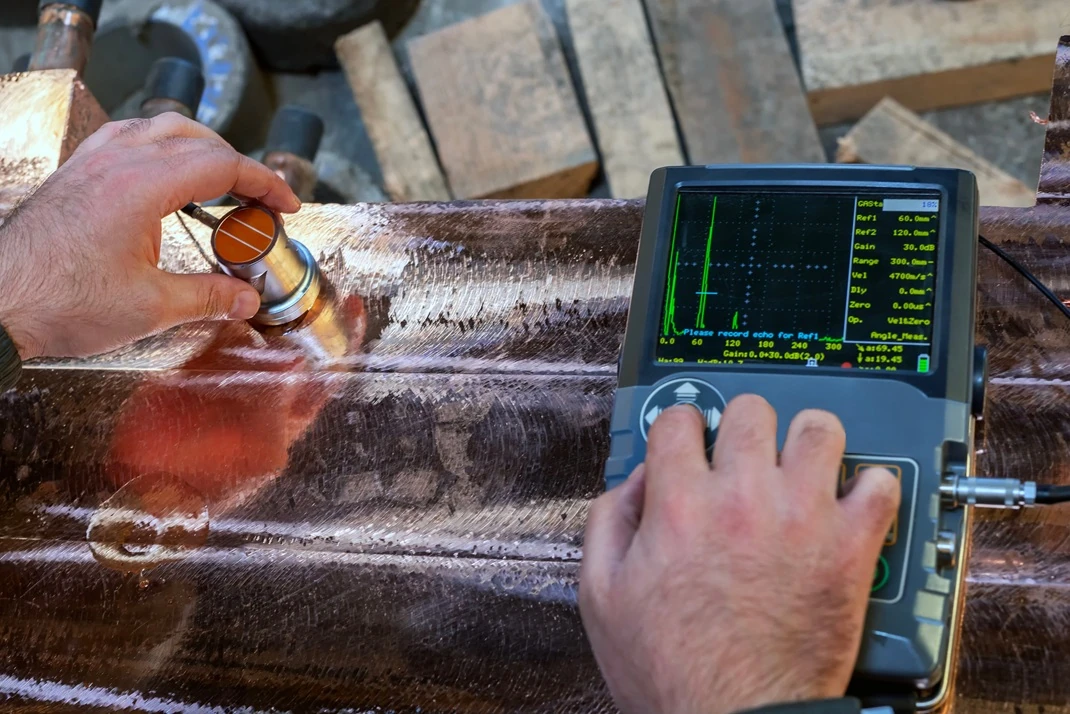
Ultrasonic thickness testing — wall thickness and corrosion mapping on vessels and piping.
Hardness testing — verification of heat-affected zone microstructure following welding or repair.
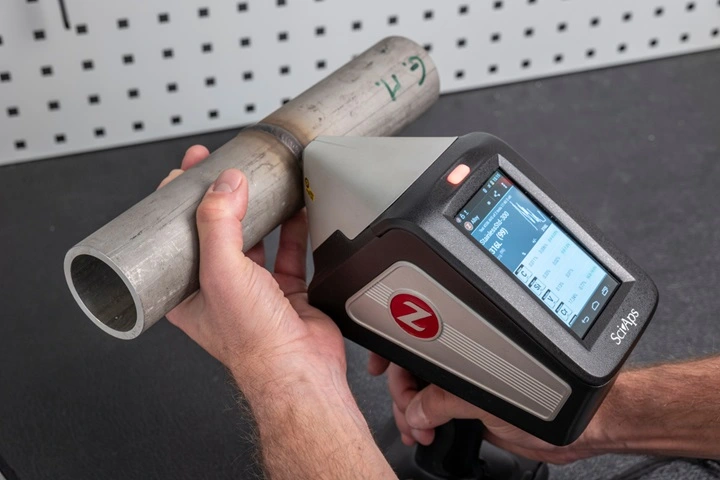
Positive material identification — composition verification, including carbon measurement where carbon equivalent governs the welding decision.
Hydrostatic testing — proof testing of completed systems and after significant repair.
Visual inspection — the foundation of every examination scope.
APEC Inspection Provides These Methods, From Newcastle
APEC Inspection is a Newcastle-based inspection company. We provide magnetic particle inspection, liquid penetrant testing, phased array ultrasonic testing, ultrasonic testing, hardness testing, positive material identification, hydrostatic testing and visual inspection — the full set listed above.
We are accredited by NATA to ISO/IEC 17025:2017, the international standard for the competence of testing and calibration laboratories, and our non-destructive testing is carried out by technicians certified to ISO 9712 through AINDT.
Our overview of NDT inspection services sets out the full range and how the methods relate to each other.
Why Location Matters for Scheduling
Inspection of pressure equipment is usually tied to a shutdown window. Equipment has to be taken out of service, depressurised, and in many cases cleaned and made safe for entry before examination can begin. That sequencing is the constraint, not the inspection itself.
Being based in the region shortens the logistics around that window — mobilising a crew and equipment to a Hunter site does not require interstate travel time to be built into the schedule. This is a statement about geography rather than about any particular project.
The practical advice is to involve inspection early in shutdown planning rather than after the outage dates are fixed. Scope, access requirements and the sequence of cleaning and examination are easier to arrange with notice.
Scoping an Inspection
If you are preparing to request a quote, the information that makes scoping accurate is:
What the equipment is — type, size, design pressure and the service it is in.
Which codes apply, including the construction code if known and any client or project specification.
What you need to establish — acceptance of new fabrication, condition of an existing asset, or investigation of a specific concern. These lead to different scopes.
Access and timing — shutdown dates, confined space requirements, and whether the equipment will be cleaned before examination.
Material records, or a note that they are unavailable, which itself determines whether verification is needed.
With that information a scope can be built against the applicable requirements rather than assumed. Request a quote and we will work through what applies to your equipment.