What Hydrogen Embrittlement Is
Steel is not a solid barrier at the atomic scale. Hydrogen is the smallest atom there is, and under the right conditions it moves into the spaces within a steel's crystal structure and stays there.
Once inside, hydrogen reduces the steel's ductility — its ability to deform rather than break. The strength figure on the material certificate does not change, but the way the material behaves under load does. Steel that would normally stretch and yield can instead crack.
This is what makes hydrogen service different from ordinary service. The concern is not that hydrogen corrodes the steel from the surface the way water does. It is that hydrogen changes the character of the metal itself, from the inside, without altering its appearance.
Why It Matters More Than Ordinary Corrosion
Corrosion is a thinning problem. It removes metal, and inspection measures what remains. Given a thickness reading and a corrosion rate you can calculate how long an asset has left, which is the basis of most integrity programmes.
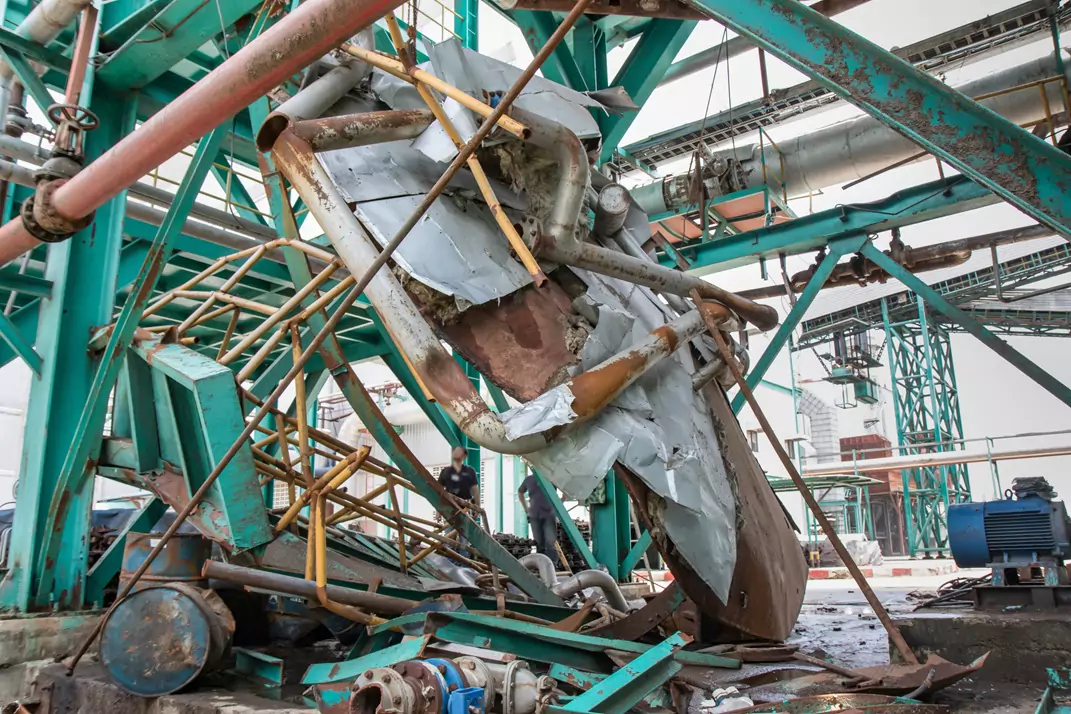
Embrittlement does not behave that way. The wall thickness can be entirely acceptable while the material's capacity to tolerate stress has fallen. Failure can occur below the load the material was designed to carry, and it tends to be sudden rather than progressive — a crack rather than a leak.
That combination, no loss of thickness and no visible warning, is why hydrogen assets are inspected differently. Thickness measurement alone does not answer the question that matters.
Where It Concentrates
Hydrogen embrittlement is not evenly distributed through a component. It concentrates where three conditions overlap: a hard microstructure, a source of hydrogen, and tensile stress.
The weld and its heat-affected zone. Welding heats the parent metal either side of the joint and then lets it cool, and the rate of that cooling determines the microstructure left behind. Cool it fast enough and you form martensite — hard, strong and considerably more susceptible to hydrogen than the material around it. The heat-affected zone is therefore the first place to look, and it is where most hydrogen-related cracking is found.
Regions of high residual stress. Fabrication leaves stress behind, particularly around welds and at geometric changes such as nozzles and branch connections. Stress is one of the three conditions, so these areas carry higher risk.
Hard spots from repair or fabrication history. A local repair carried out without controlled procedure can leave a hard zone in an otherwise sound component.
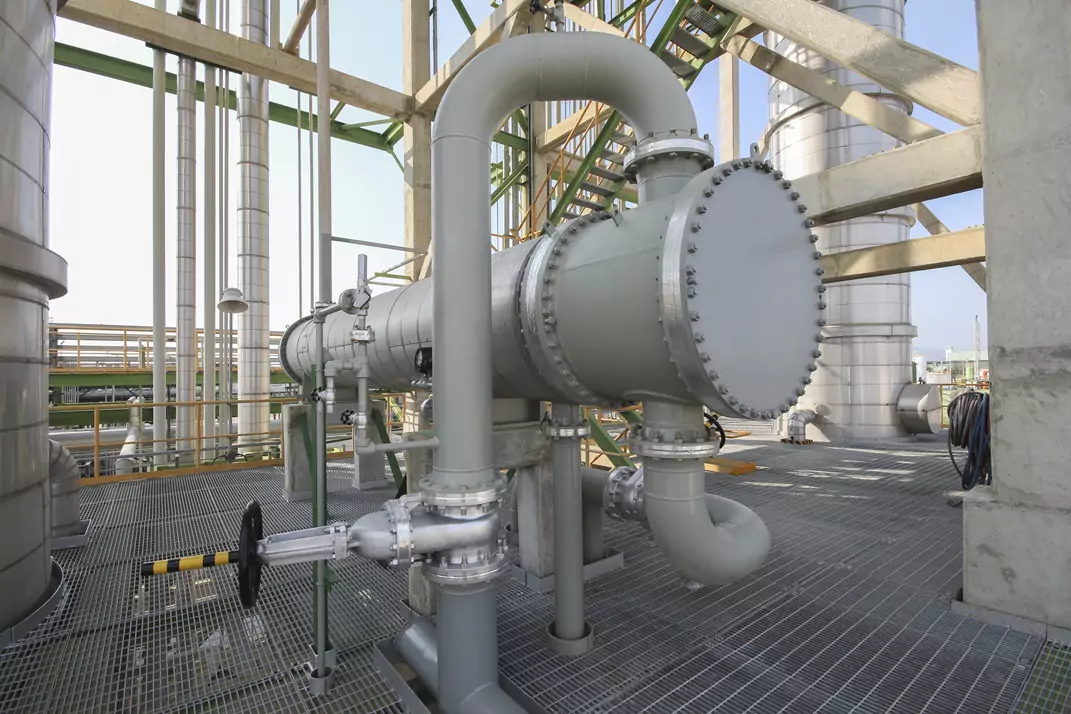
This is why an inspection scope for hydrogen-service equipment focuses on welds rather than spreading effort evenly across a component, and why the types of pressure vessels used in Australian industry matters when scoping — the geometry and service of the asset determine where attention should go.
How It Is Detected
There is no single instrument that reads out a hydrogen embrittlement figure. Detection works by finding the consequences and the conditions.
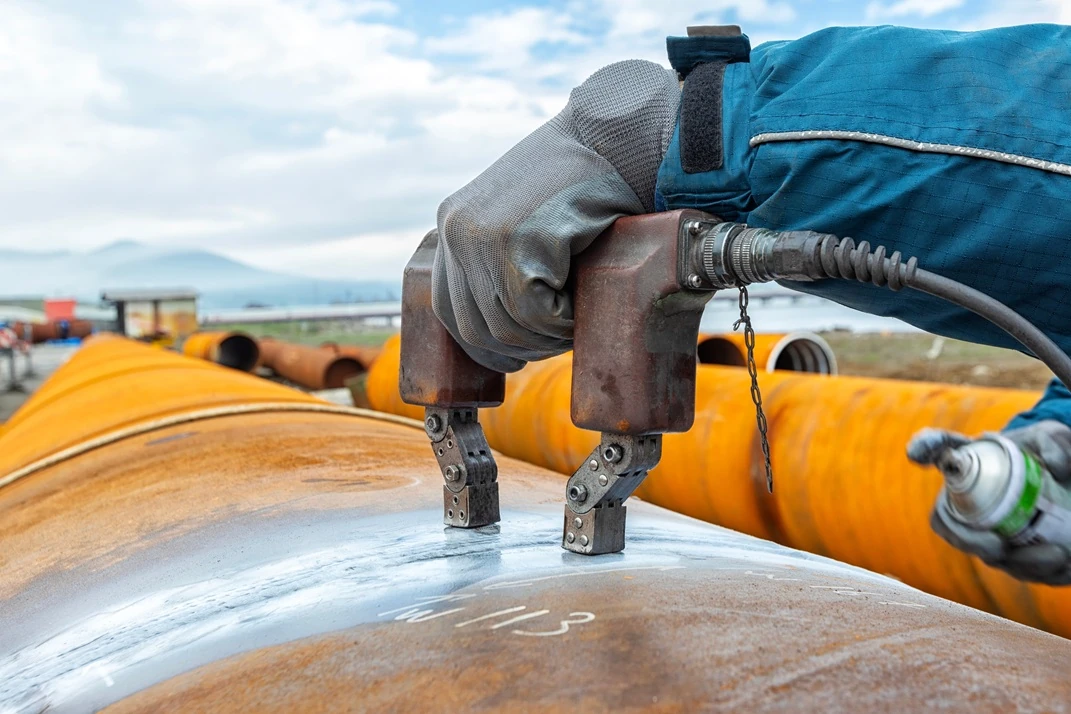
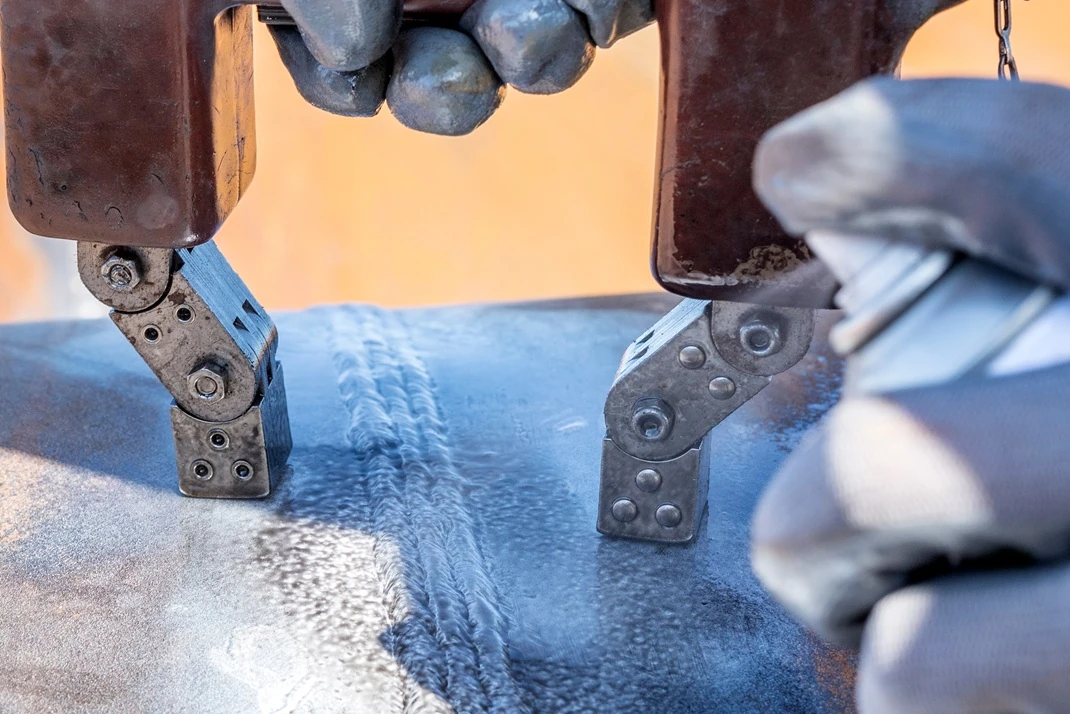
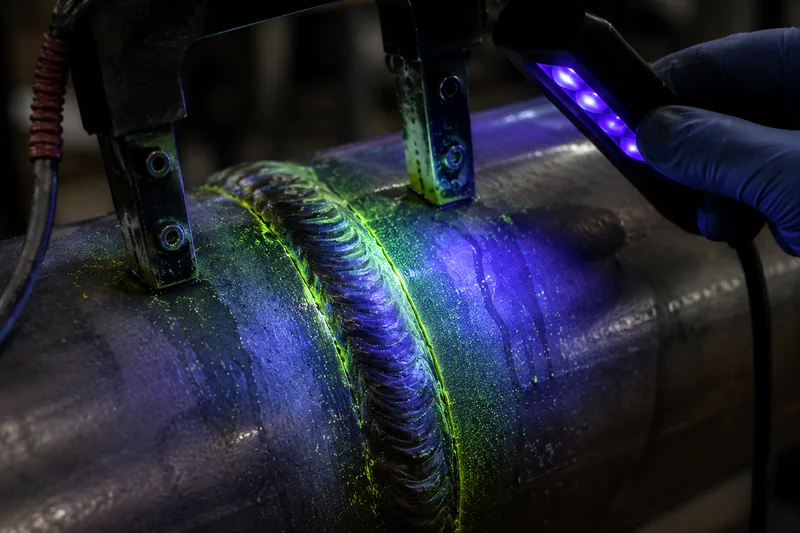
Surface crack detection. Embrittlement cracking typically breaks the surface, and surface methods are the most direct way to find it. Magnetic particle inspection is the usual choice on ferromagnetic steel, which covers most pressure piping and vessel material. It reveals surface and near-surface cracks in and around the weld, including the heat-affected zone where the risk concentrates. Where the material is not ferromagnetic — austenitic stainless steels, for instance — liquid penetrant testing does the equivalent job.
Hardness testing. Hardness is a proxy for the microstructure. A hard heat-affected zone indicates the conditions that make embrittlement more likely, which means hardness testing can identify susceptible material before any crack exists. This is the closest thing to a predictive measurement available, and it is why hardness limits appear in weld procedure requirements for hydrogen service.
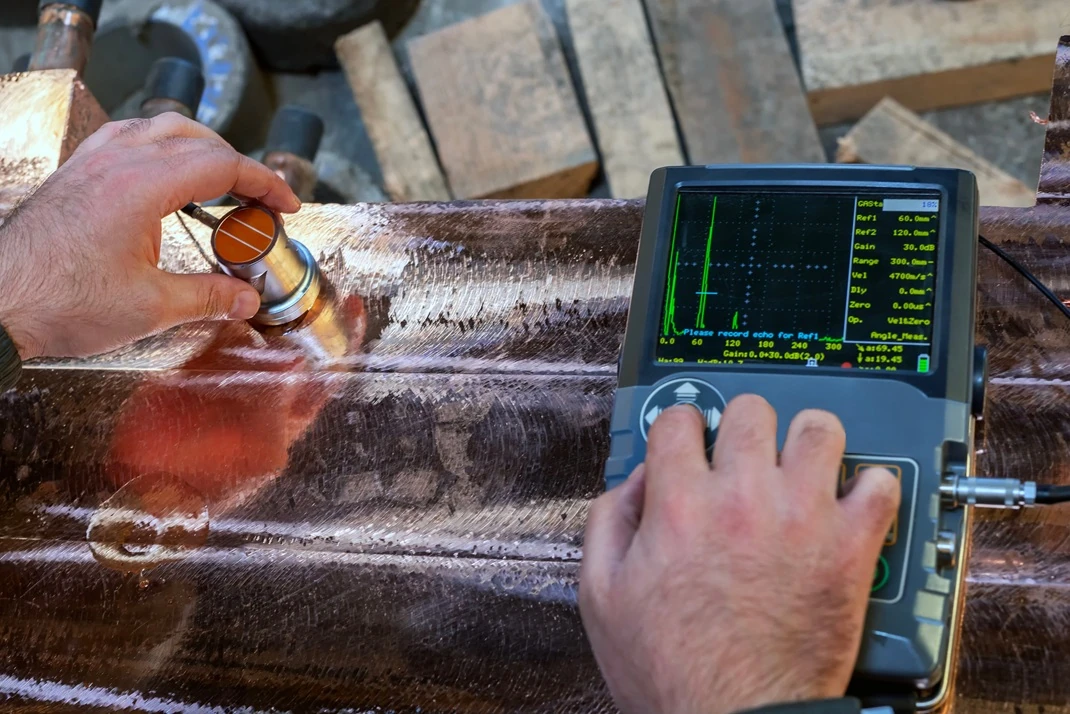
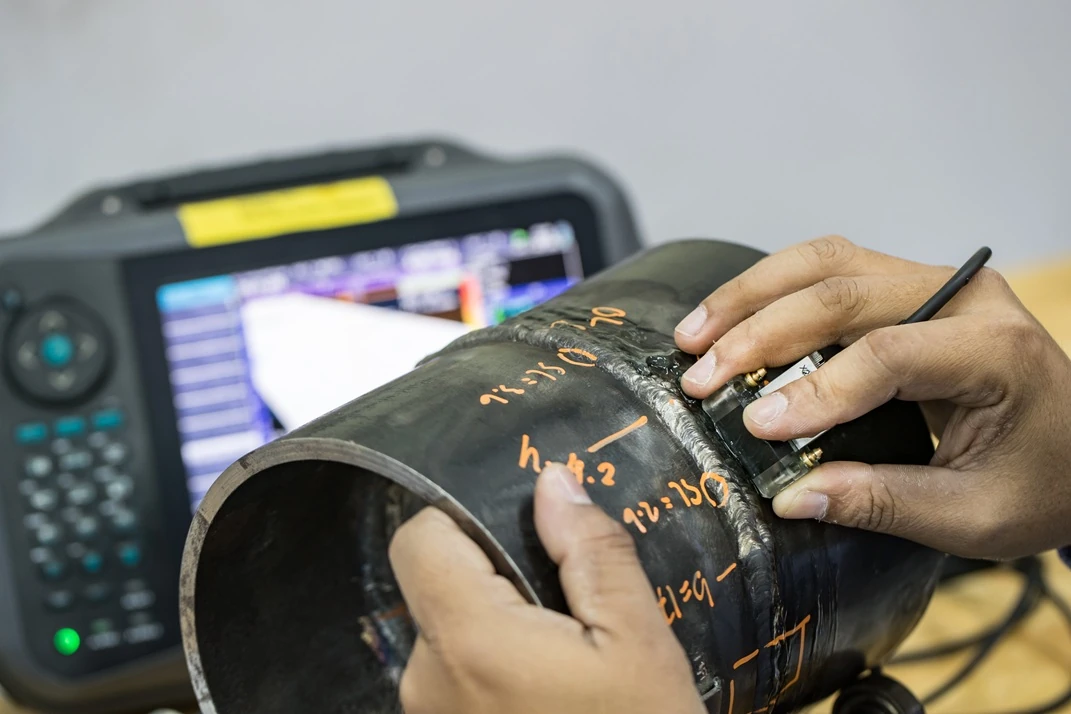
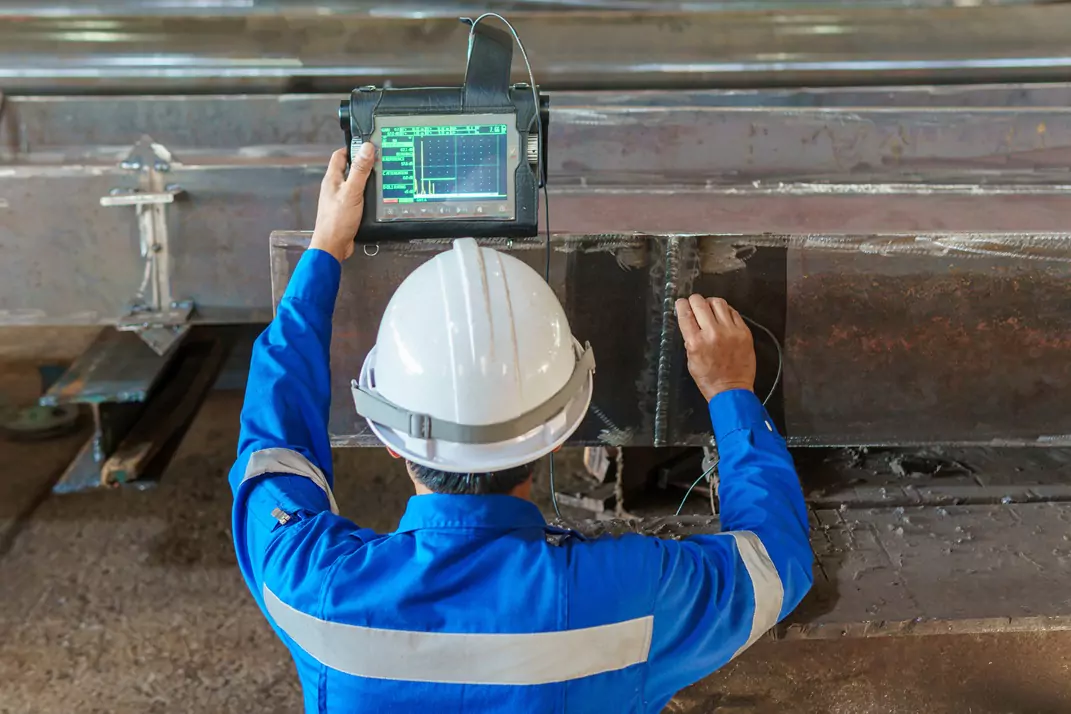
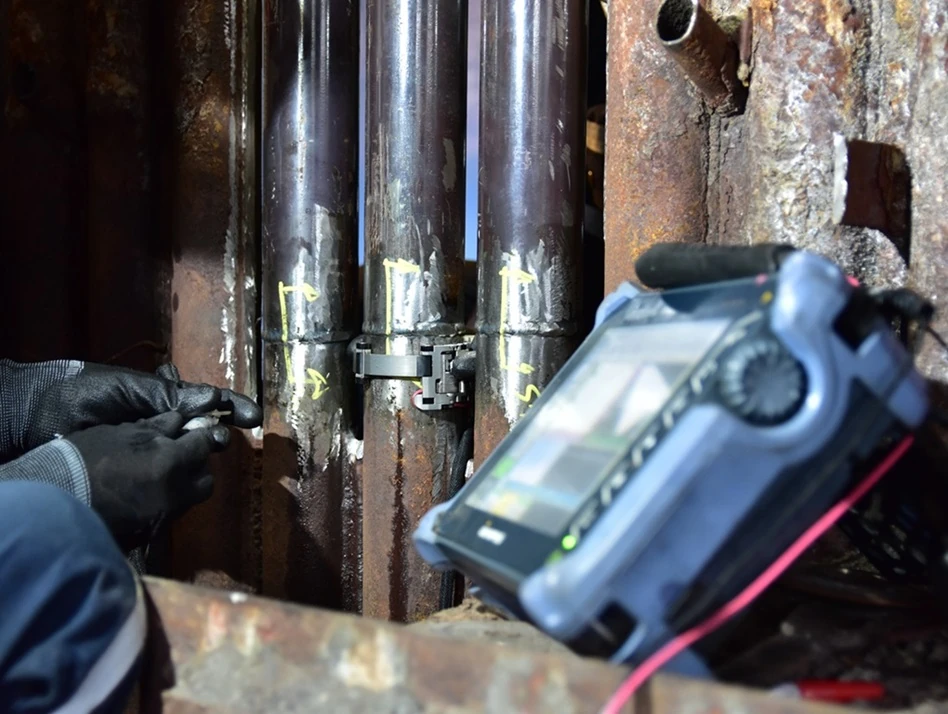
Volumetric examination. Cracking that has initiated below the surface, or that has grown from a subsurface flaw, needs a method that examines the volume of the joint. Phased array ultrasonic testing produces a cross-sectional image of the weld and is well suited to the planar flaws that embrittlement cracking produces.
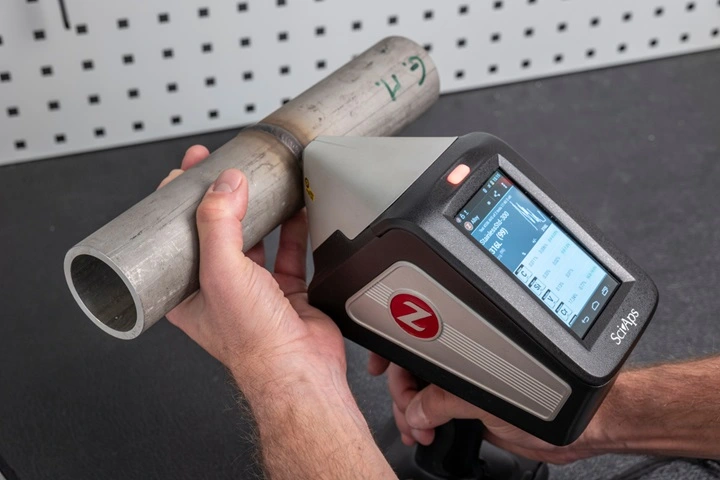
Material verification. Susceptibility depends on what the steel actually is, which is not always what the records say. This is covered in more detail in our guide to carbon equivalent and material verification.
Mostly a Prevention Problem
It is worth being direct about this: hydrogen embrittlement is primarily managed by preventing the conditions, not by finding the cracks afterwards.
Prevention happens through material selection, control of composition, welding procedure and heat treatment — all aimed at avoiding hard microstructure in the heat-affected zone. Get those right and susceptibility drops substantially. Get them wrong and inspection becomes a matter of finding damage that was avoidable.
Inspection contributes in three ways. It verifies that the prevention worked, by confirming hardness is within limits and no cracking is present. It catches the cases where procedure was not followed, particularly on repairs. And it monitors assets in service, where the exposure is continuous and the question is whether conditions have changed.
That division of labour is also why weld procedure qualification matters so much in hydrogen service, and why welding procedure and welder qualification sits alongside inspection rather than separate from it.
What an Inspection Programme Looks Like
For equipment in hydrogen service, an inspection scope generally addresses four things.
Baseline condition. What the material is, what hardness it exhibits, and whether any cracking is present before the asset enters service or at the first inspection of an existing asset.
Weld and heat-affected zone examination. Surface methods across the welds, with volumetric examination where the consequence of failure justifies it.
Repair control. Any repair reintroduces the conditions, so repairs are examined after completion rather than assumed sound.
Re-examination on an interval. Set by the consequence of failure and the operating conditions rather than a fixed calendar.
Where the asset is piping rather than a vessel, the examination requirements are set out in our guide to what the hydrogen piping code asks for. For the wider picture of what a hydrogen facility contains and which methods its equipment calls for, see the methods a hydrogen facility requires.
The methods involved are ordinary NDT methods applied with a particular focus. APEC Inspection is accredited by NATA to ISO/IEC 17025:2017 and our non-destructive testing is carried out by technicians certified to ISO 9712 through AINDT. We provide magnetic particle, liquid penetrant, hardness, phased array ultrasonic and material identification testing from our Newcastle base. If you are scoping an inspection, request a quote and we will work through what applies.