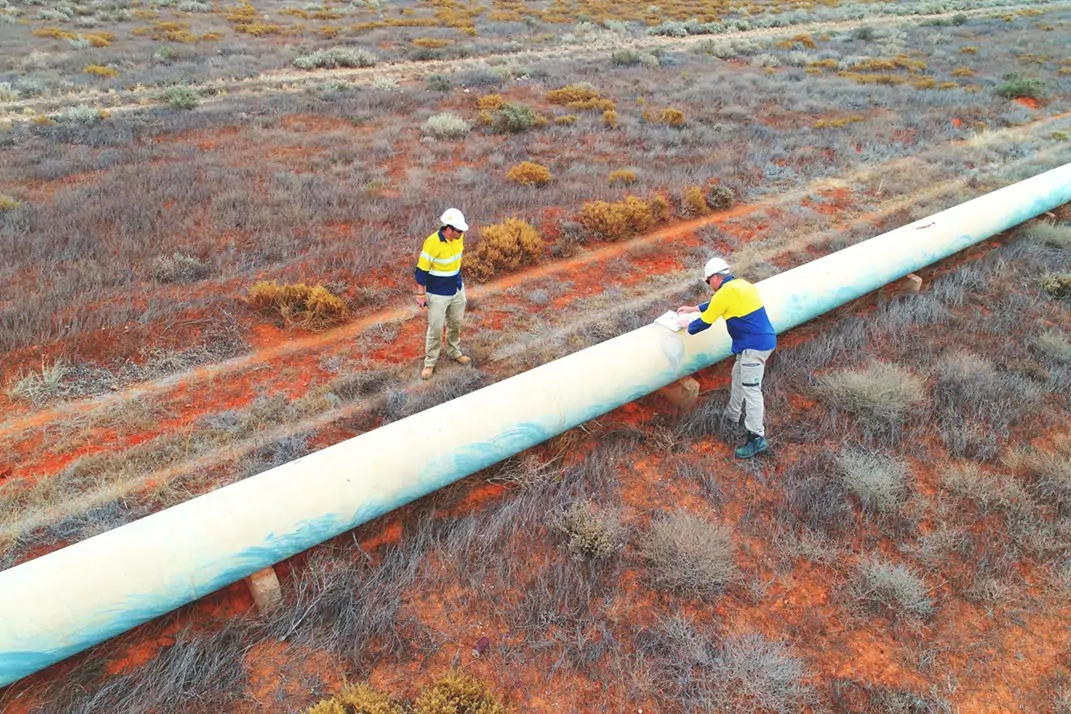
COATING INSPECTIONS
APEC Inspection offers protective coating and third-party inspection
About Contact UsCoating Inspections
APEC Inspection - Australia's Experts in Coating Inspections
APEC Inspection offers protective coating and third-party inspection in accordance with Australian and International Standards to assist companies maintain project quality standards. One method for testing coating integrity is holiday testing, which tests the electric circuit to ensure current flows through circuit. Pinholes or voids can be detected efficiently this way.
Coating inspection is carried out against the Australian and international standards that govern protective coatings, including AS 3894, AS/NZS 2312 and ISO 12944. APEC Inspection Services is certified to ISO/IEC 17025:2017 by NATA, and our technicians are qualified to ISO 9712 through AINDT
APEC Inspections can provide you with the following coating inspection services:Surface defects identified during coating inspections can be further assessed using dye penetrant inspection to check for cracks or pinholes in the substrate. All coating work begins with a thorough visual inspection to evaluate surface preparation and coating condition.
Request A Quote
What Coating Inspection Covers
Coating inspection verifies that a protective coating system has been applied to the specification and will deliver the service life it was chosen for. A coating that looks acceptable can still fail early if the steel was not prepared correctly, if it was applied outside the permitted environmental window, or if the film is thinner than specified in the places that matter. Independent inspection is how those problems are found while they can still be corrected rather than after the asset is in service.
Inspection covers the full sequence — surface preparation, environmental conditions, application, film thickness, adhesion and continuity — with hold points agreed before work starts so that each stage is signed off before the next one covers it up.
Surface Preparation and Conditions
Most premature coating failures trace back to preparation rather than the product. Inspection confirms the abrasive-blast standard achieved, surface profile, and cleanliness including the absence of soluble salts, oil and dust, assessed against AS 1627 and the relevant ISO 8501 visual comparators.
Environmental conditions are recorded before and during application: air and steel temperature, relative humidity and dew point, with the steel temperature margin above dew point checked at each coat. Coating applied outside those limits can cure poorly or trap moisture at the interface, and neither is visible in the finished film.
Dry Film Thickness and Adhesion Testing
Dry film thickness (DFT) is measured across each coat and the completed system using calibrated gauges, with readings taken and reported in the pattern the specification requires rather than only where access is easy. Both under-thickness and excessive build are recorded — over-application can cause solvent entrapment and cracking just as under-application leaves the steel unprotected.
Adhesion is verified by pull-off or cross-hatch testing to AS/NZS 1580.408.5 or ISO 4624, confirming that the system is bonded to the substrate and between coats. Wet film thickness readings during application give the applicator immediate feedback before a coat cures.
Holiday and Porosity Testing
Holiday testing — also called porosity or pinhole detection — finds discontinuities in a coating that are invisible to the eye but expose bare steel to the environment. Low-voltage wet sponge testing is used on thin-film systems, and high-voltage spark testing on thicker films such as tank linings, buried pipework and immersion-service coatings, with the test voltage set for the specified film thickness so the coating is not damaged during testing.
Because a single unfound holiday can start the corrosion that eventually undermines an entire coated area, holiday testing is routinely specified for immersion and buried service. Our article on holiday testing for pipeline and coating inspection explains how the technique is applied and where it matters most.
Standards and Specification
Coating inspection is performed against the project specification and the standards it invokes, commonly AS/NZS 2312 for the protection of structural steel, AS 3894 for the on-site testing of protective coatings including holiday detection and adhesion, ISO 12944 for corrosivity categories and coating system selection, and AS 1627 for surface preparation.
Where a specification is silent or ambiguous, the practical step is to resolve it in writing before application starts. Inspection can only confirm conformance against a defined requirement, and agreeing that requirement up front avoids disputes at handover.
Independent Coating Inspection vs Applicator Quality Control
An applicator's own quality control is a necessary part of doing the work properly, but it is not independent. Independent coating inspection is engaged by the asset owner or principal contractor and reports to them, which matters when a result affects payment, warranty or acceptance.
The practical difference shows up at hold points. An independent inspector can stop the next coat going on, record a non-conformance and require rectification, without that decision sitting with the party whose schedule it affects. For assets where the coating is the primary corrosion barrier, that independence is usually the reason inspection is specified at all.
Coating Inspection Through the Project Lifecycle
Inspection is most valuable when it starts before the first blast pot is fired. Pre-work review of the specification, the coating system data sheets and the inspection and test plan establishes what will be checked and when. During application, hold-point attendance and progressive records build the evidence pack as the work proceeds.
After handover, periodic condition assessment tracks how the system is performing, identifies areas of breakdown early and informs maintenance planning. Where coatings cover insulated or buried assets, coating condition and corrosion under insulation are closely related problems and are best assessed together.
What You Receive
Coating inspection is issued as a written report and a conformance record: the specification and standards applied, surface preparation results, environmental readings taken at each stage, dry film thickness data, adhesion and holiday test results, photographs, and a list of any non-conformances with their status. Where an inspection and test plan is in place, signed hold points form part of the record.
The result is an evidence pack that supports handover, warranty and future maintenance planning, rather than a single pass or fail statement.
Where We Work
APEC is based in Newcastle and works throughout the Hunter, the Central Coast and Sydney, mobilising inspectors to sites across New South Wales and interstate for coating inspection on structures, tanks, pipework and plant. Inspection is carried out in fabrication shops, blast and paint facilities and on site during construction and maintenance.
Coverage outside New South Wales is set out on our Queensland, Victoria, Western Australia, South Australia and Northern Territory pages.
Why Choose APEC Inspection
APEC Inspection is a NATA-accredited inspection body providing independent coating inspection alongside a full range of non-destructive testing, so coating condition can be assessed together with the wall thickness and surface integrity of the asset underneath it. To discuss a coating inspection or an inspection and test plan, request a quote or call our team.
Frequently Asked Questions
- What does a coating inspection involve? +
- Coating inspection verifies that a protective coating system has been applied to specification. It covers surface preparation, environmental conditions, application, dry film thickness, adhesion and coating continuity, with hold points agreed before work starts so each stage is signed off before the next covers it.
- What is holiday testing? +
- Holiday testing, also called porosity or pinhole detection, finds discontinuities in a coating that are invisible to the eye but expose bare steel to the environment. Low-voltage wet sponge testing is used on thin-film systems and high-voltage spark testing on thicker films such as tank linings and buried pipework.
- What voltage is used for holiday testing? +
- The test voltage is set for the specified film thickness in accordance with AS 3894, so that genuine discontinuities are detected without damaging sound coating. Low-voltage wet sponge testing is used on thin films and high-voltage spark testing on thicker systems.
- How is dry film thickness measured? +
- Dry film thickness is measured with calibrated gauges across each coat and the completed system, with readings taken in the pattern the specification requires. Both under-thickness and excessive build are recorded, because over-application can cause solvent entrapment and cracking just as under-application leaves the steel unprotected.
- Which standards apply to coating inspection in Australia? +
- Coating inspection is commonly performed to AS/NZS 2312 for the protection of structural steel, AS 3894 for on-site testing of protective coatings including holiday detection and adhesion, ISO 12944 for corrosivity categories and system selection, and AS 1627 for surface preparation.
- Why is surface preparation so important? +
- Most premature coating failures trace back to preparation rather than the product. Inspection confirms the blast standard achieved, the surface profile and cleanliness including the absence of soluble salts, oil and dust, because a coating applied over a poorly prepared surface can look acceptable and still fail early.
- What is the difference between independent coating inspection and applicator quality control? +
- An applicator's own quality control is part of doing the work properly but it is not independent. Independent coating inspection is engaged by the asset owner or principal contractor and reports to them, which matters when a result affects payment, warranty or acceptance.
- When should coating inspection start? +
- Inspection is most valuable when it starts before application, with a review of the specification, the coating system data sheets and the inspection and test plan. That establishes what will be checked and when, so requirements are agreed before work begins rather than disputed at handover.
- What is included in a coating inspection report? +
- The report records the specification and standards applied, surface preparation results, environmental readings taken at each stage, dry film thickness data, adhesion and holiday test results, photographs, and any non-conformances with their status. Signed hold points form part of the record where an inspection and test plan is in place.
- Can coating inspection be combined with other NDT? +
- Yes. Coating condition is often assessed alongside wall thickness measurement and surface crack detection so that the coating and the asset underneath it are evaluated together. This is particularly relevant where corrosion under insulation is a risk.
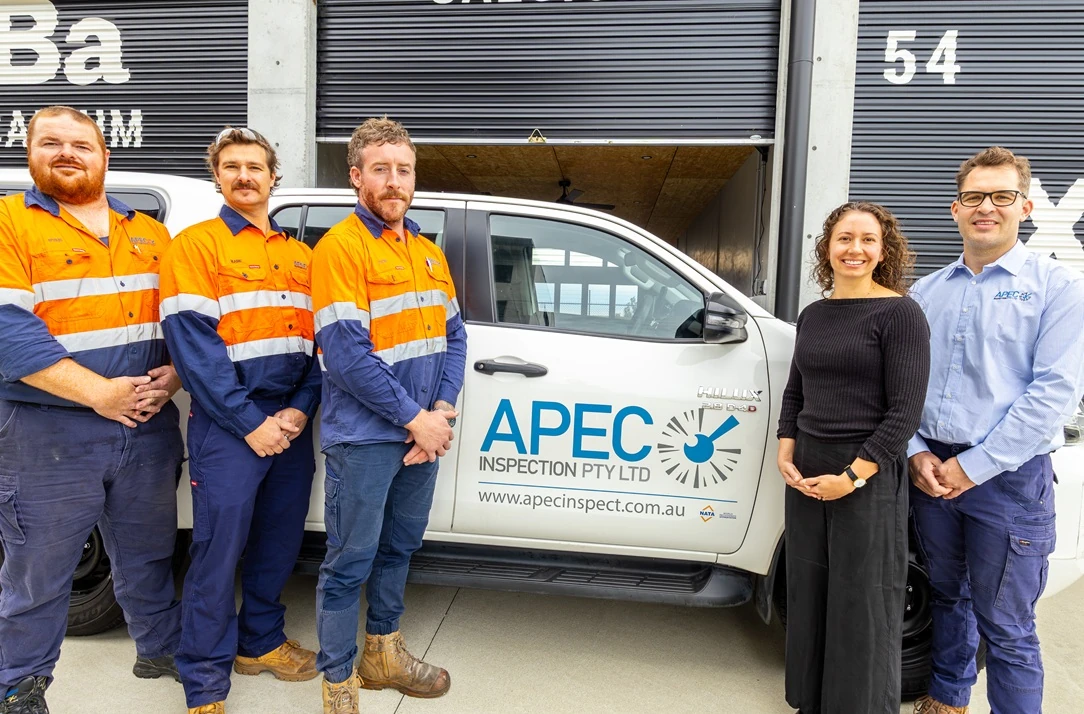
If You Have Any Query, Feel Free To Contact Us
Whether you'd like a fast quote, have a technical question, or want to schedule a coating inspection, the APEC team is ready to help.







Blog Category: Coating Inspection
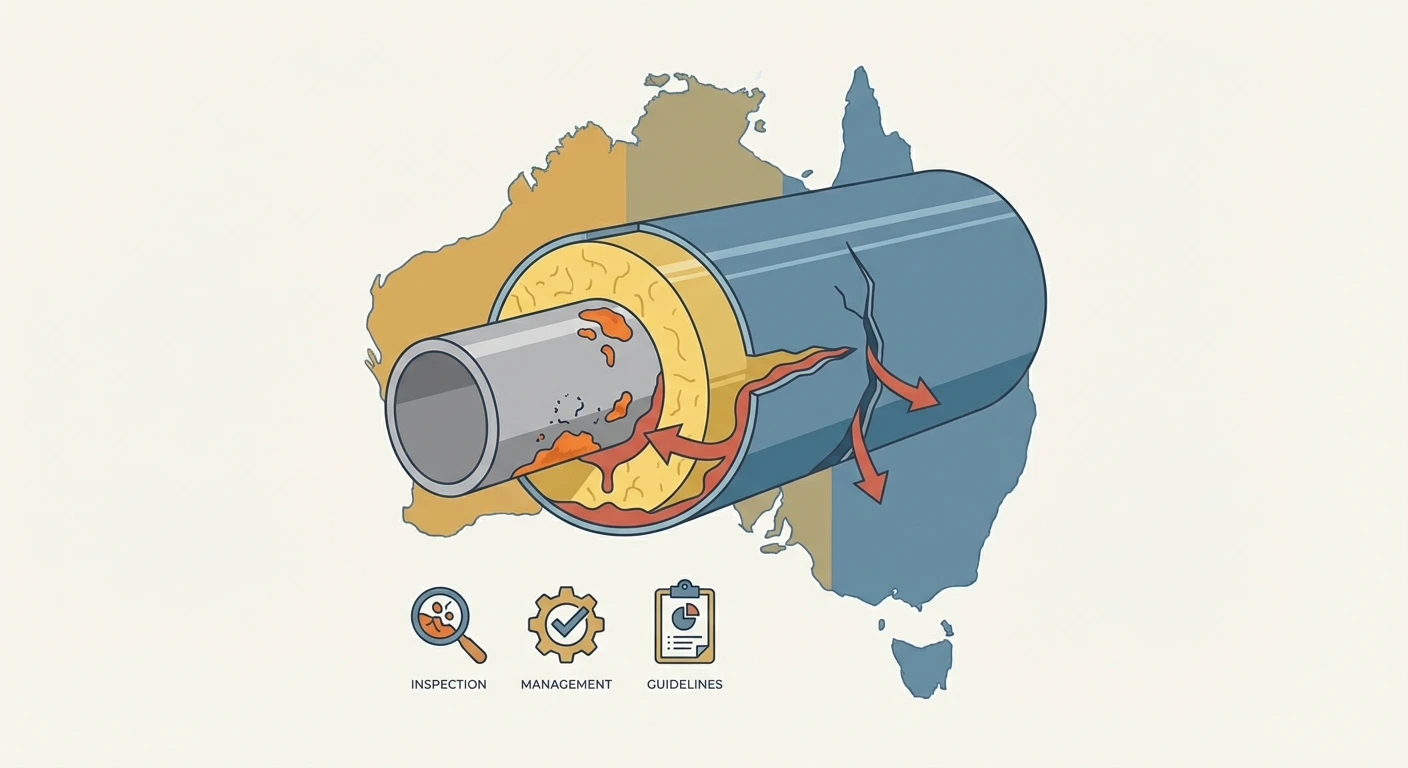
Corrosion Under Insulation Guide for Australia
Learn how Australian plant managers can manage corrosion under insulation using smart…
READ MORE →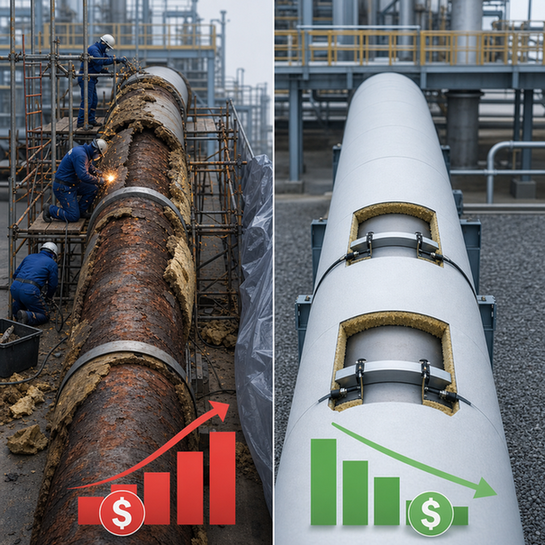
Financial Impact of Corrosion Under Insulation
Undetected corrosion under insulation drives up access, repair and downtime costs.
READ MORE →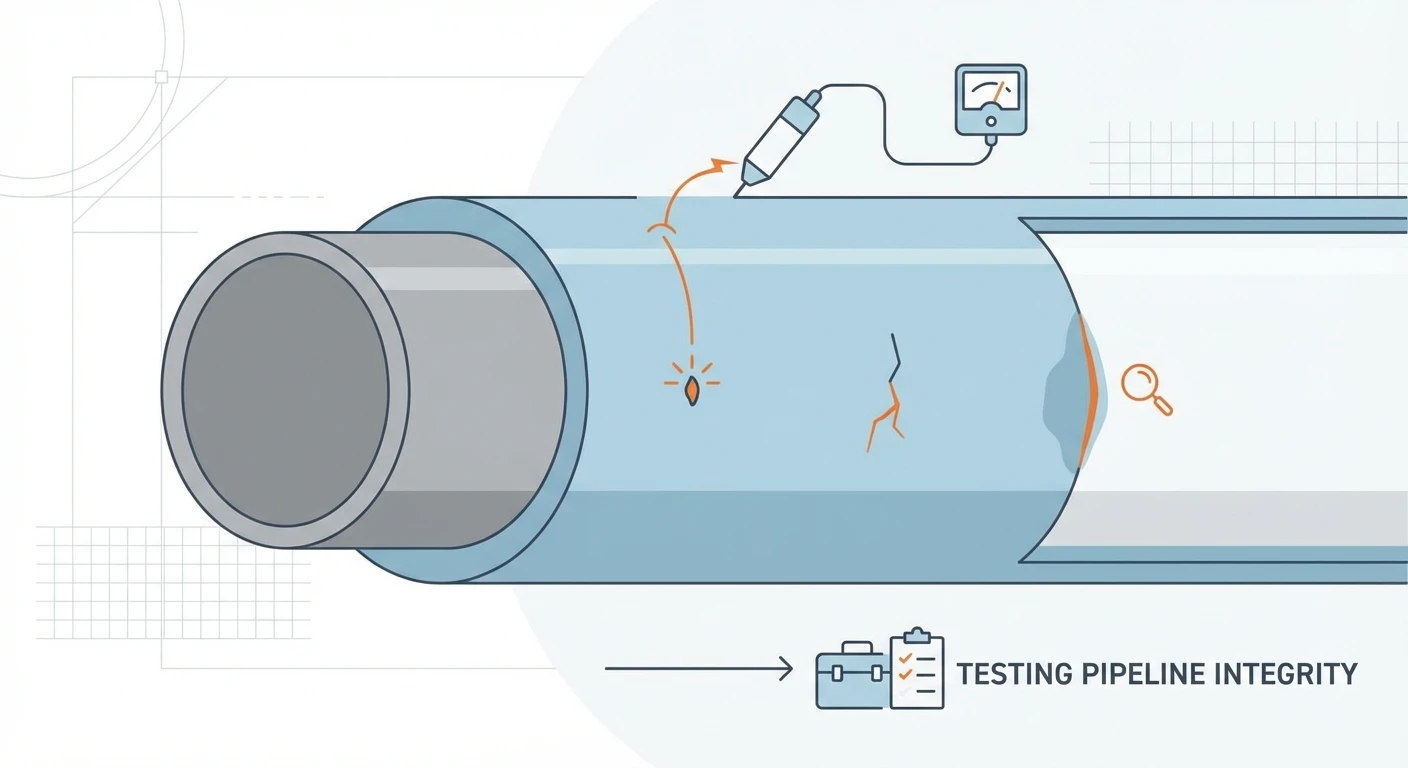
Holiday Testing Pipelines and Coatings Explained
Learn how holiday testing finds coating flaws in pipelines, compare low and high…
READ MORE →© apecinspect.com.au. All Rights Reserved. Designed by Peritus Digital. Powered by LYFE AI