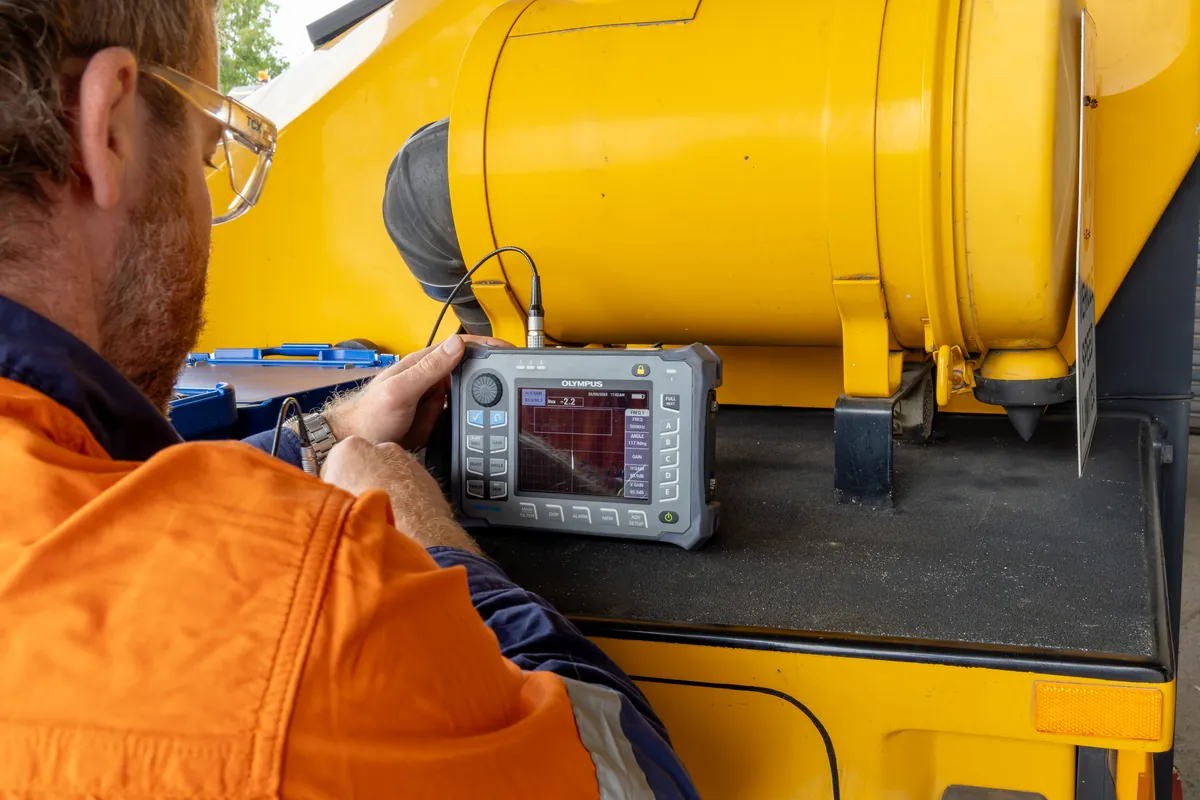
A Family of Standards, Not One Standard
Pressure equipment in Australia isn't governed by one standard. It is governed by a family of them, each covering a stage in the equipment's life: working out how hazardous it is, designing it, building it, proving it, operating it and inspecting it in service.
Most owners first meet AS/NZS 3788, the in-service inspection standard, because that is the one that sets their inspection obligations. The others come up when you buy, register, repair, alter or re-rate equipment, and their numbers appear on nameplates, data reports and inspection reports. Knowing which standard does what makes those documents readable.
This guide maps the family. It describes what each standard is for rather than its detailed requirements. Standards are revised, and requirements change between editions. Always check which edition your contract, drawing or regulator cites before relying on any requirement.
The Pressure Equipment Lifecycle at a Glance
Each stage of the lifecycle has its own standard. The table shows where each one fits.
| Stage | Standard | Current edition | What it covers |
|---|---|---|---|
| Overall framework | AS/NZS 1200 | 2015 | Requirements for pressure equipment across its whole life; calls up the standards below |
| Hazard classification | AS 4343 | 2014 | Hazard levels A to E, used to scale design verification, inspection and registration |
| Design: pressure vessels | AS 1210 | 2010 | Design and construction of unfired pressure vessels |
| Design: boilers | AS 1228 | 2016 | Design and construction of boilers |
| Design: piping | AS 4041 | 2006 | Design, fabrication, examination and testing of pressure piping |
| Design: serially produced vessels | AS 2971 | – | Vessels made in series, such as many small air receivers |
| Welding qualification | AS 3992 | 2020 | Qualification of welding and brazing procedures and welders for pressure equipment |
| Manufacture | AS 4458 | 1997 (reconfirmed) | Fabrication requirements for pressure equipment |
| Examination and testing | AS 4037 | 1999 | Non-destructive examination and pressure testing during manufacture |
| Conformity assessment | AS 3920 | 2015 | Independent design verification and fabrication inspection, scaled to hazard level |
| Operation and maintenance | AS 3873 | – | Operating and maintaining pressure equipment safely |
| In-service inspection | AS/NZS 3788 | 2024 (amended 2025) | Inspection types, intervals, competence, repairs and records once in service |
Editions shown are those listed by Standards Australia at the time of writing, and several standards carry amendments. Editions marked – should be confirmed with Standards Australia. Safety valves and other fittings have their own standards too, and the pressure equipment standards call them up where relevant.
AS/NZS 1200: The Umbrella Standard
AS/NZS 1200 (often written AS 1200) sits at the top of the family. It sets out the requirements pressure equipment must meet across its life, from design and manufacture through conformity assessment, installation, commissioning, operation, in-service inspection, repair, alteration and eventually disposal. It then points to the standards that set the detail for each stage.
It also defines which equipment is in scope and lists exclusions, so the first question for any item is whether AS/NZS 1200 applies at all. Many items on a site are pressure equipment in the everyday sense but are covered by other rules, such as gas cylinders.
AS/NZS 1200 also provides for equipment designed to other recognised codes in some circumstances. That is how vessels designed to codes such as ASME Section VIII come to be operating on Australian sites. Whether a particular item is acceptable is a question for the design verifier and regulator, not for an assumption made at purchase.
AS 4343: Hazard Levels A to E
AS 4343 (current edition AS 4343:2014) is the standard that ranks pressure equipment by hazard. It assigns a hazard level from A (high hazard) through B, C and D to E (negligible hazard).
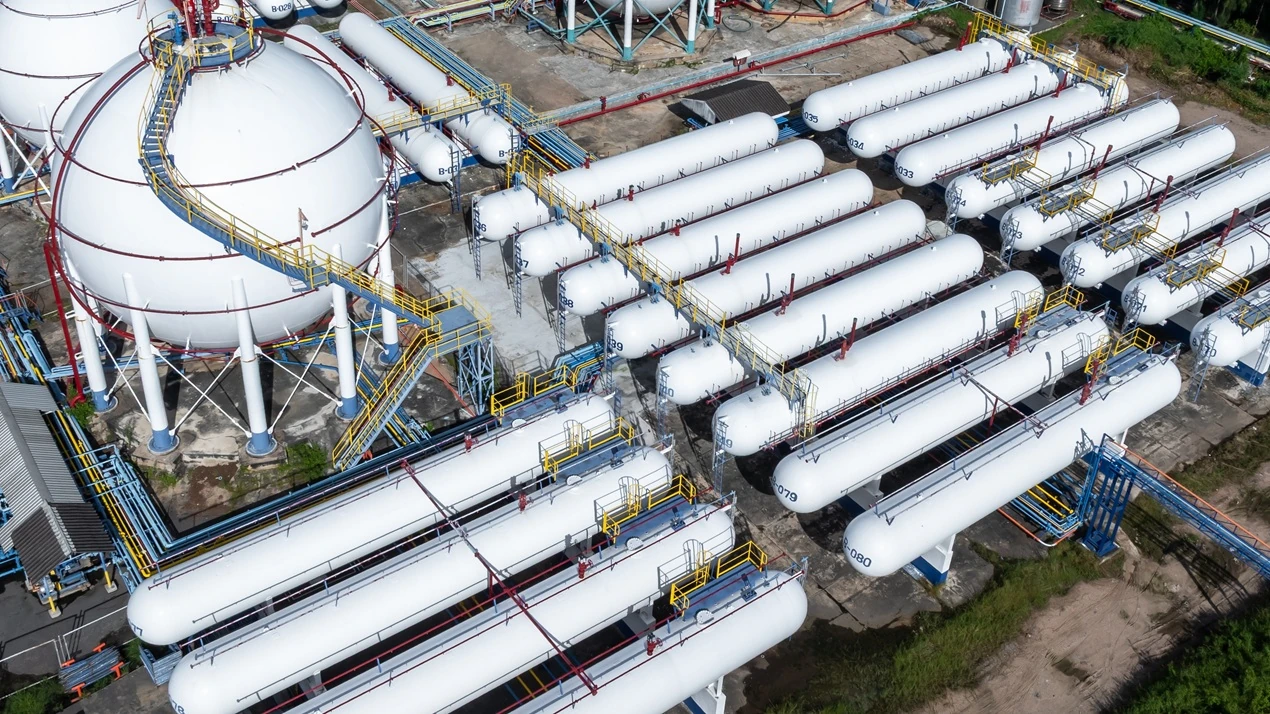
The level depends on two things: how much energy the equipment stores, and how dangerous its contents are. Stored energy is a function of pressure and volume for vessels, or pressure and diameter for piping. Contents are graded from non-harmful fluids such as air and water up to flammable, harmful, very harmful and lethal fluids. A large vessel of toxic or flammable gas at high pressure sits near the top. A small air receiver sits near the bottom.
Hazard level isn't just a label. It drives how much independent design verification and fabrication inspection is needed under the conformity assessment standard. It affects whether the design or the item must be registered with the work health and safety regulator. And it shapes the attention the equipment gets in service.
Design Standards: AS 1210, AS 1228, AS 4041 and AS 2971
The design standard depends on what the equipment is.
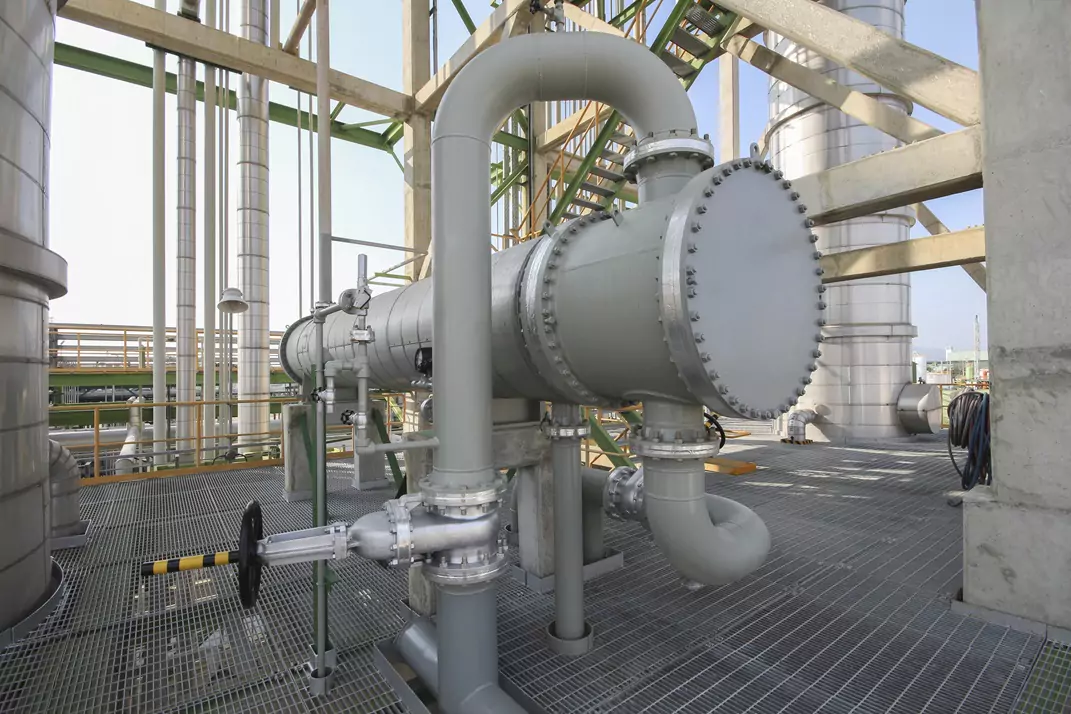
AS 1210 covers unfired pressure vessels: receivers, separators, heat exchanger shells, reactors and storage vessels. It sets material, design, fabrication, examination and testing requirements, and uses classes of construction that trade the extent of examination against design stresses.
AS 1228 covers boilers, where fired heat and water-side conditions add their own failure modes.
AS 4041 covers pressure piping: the pipework, fittings and supports connecting the vessels and boilers.
AS 2971 covers serially produced vessels made in quantity to a standard design. Many small air receivers on workshop compressors are made this way.
The design standard and edition are recorded on the equipment's nameplate and data report. They matter long after commissioning, because repairs, alterations and re-rating are assessed against the original design basis.
Building and Proving It: AS 4458, AS 3992, AS 4037 and AS 3920
AS 4458 sets manufacturing requirements, including forming, welding, heat treatment, tolerances and the manufacturer's quality control.
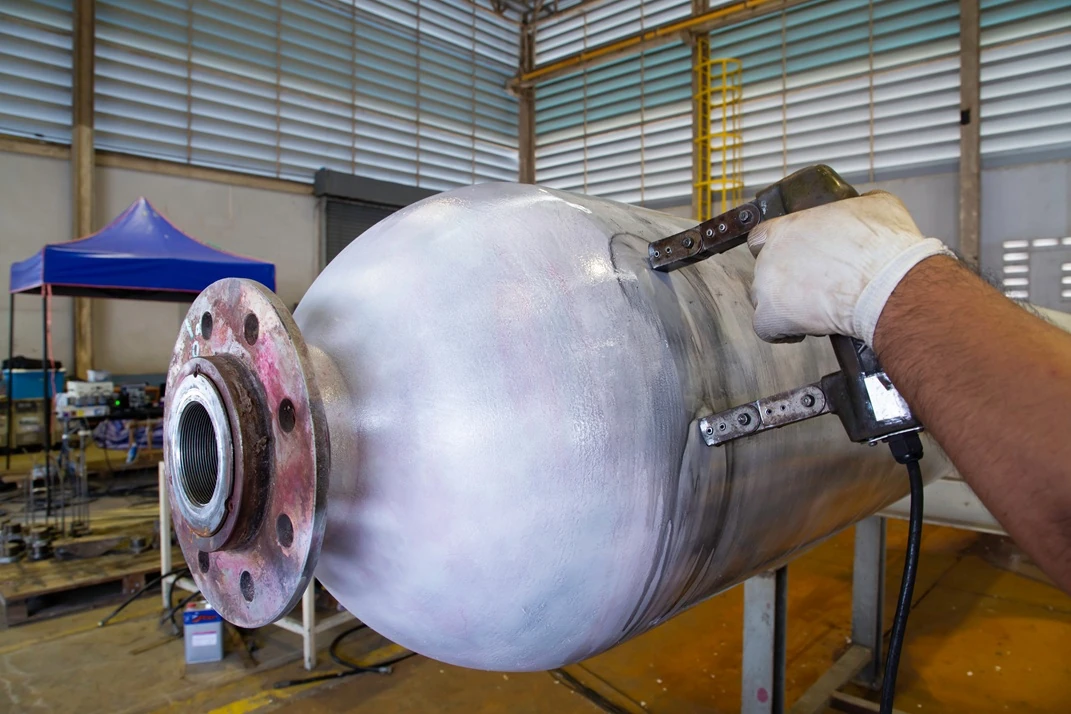
AS 3992 (formerly AS/NZS 3992) covers qualification of welding and brazing procedures and welders for pressure equipment. Its 2020 revision moved closer to ISO and ASME qualification practice, but procedures qualified to other codes still need to be reviewed against it. Structural steel welding qualified to AS/NZS 1554 is not a substitute.
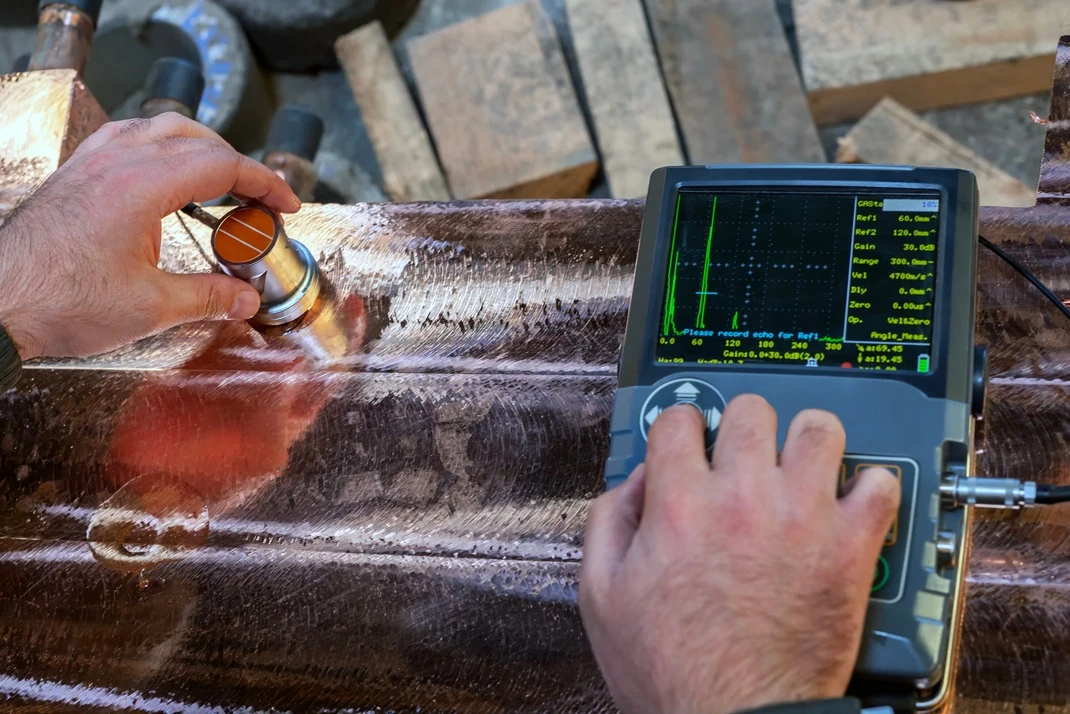
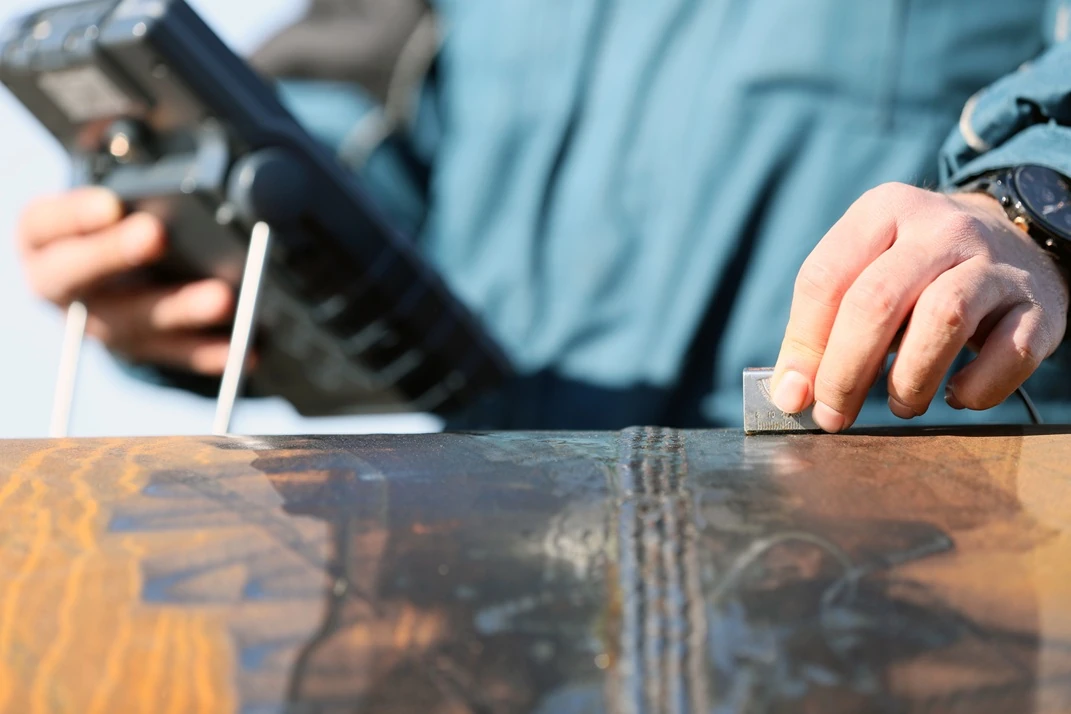
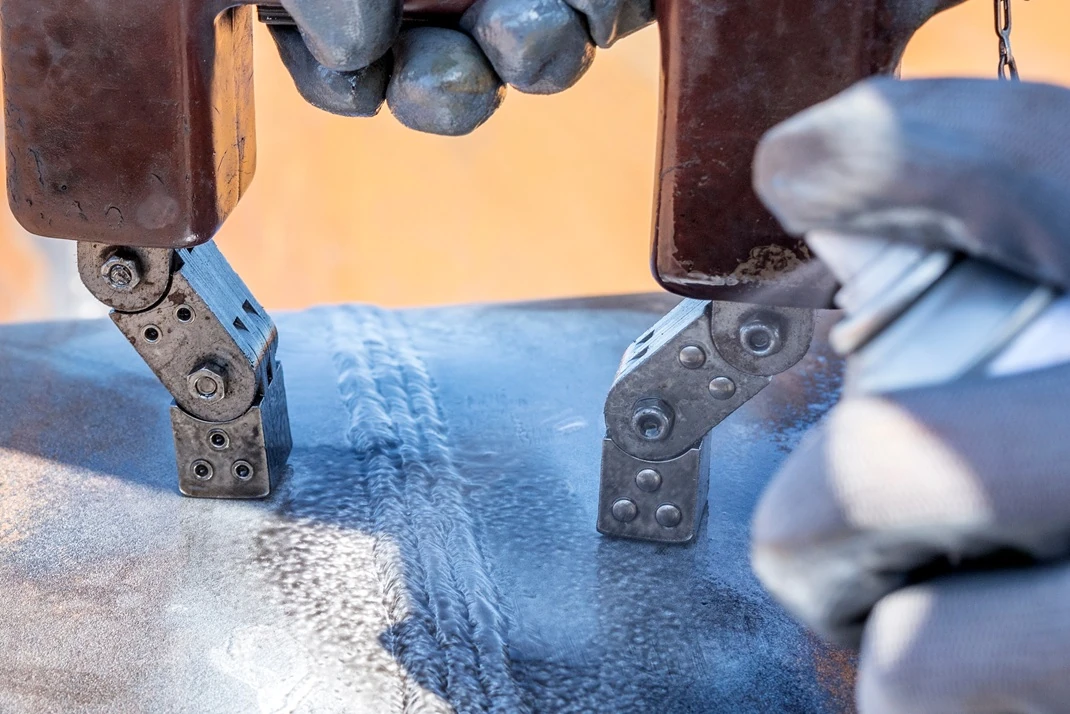
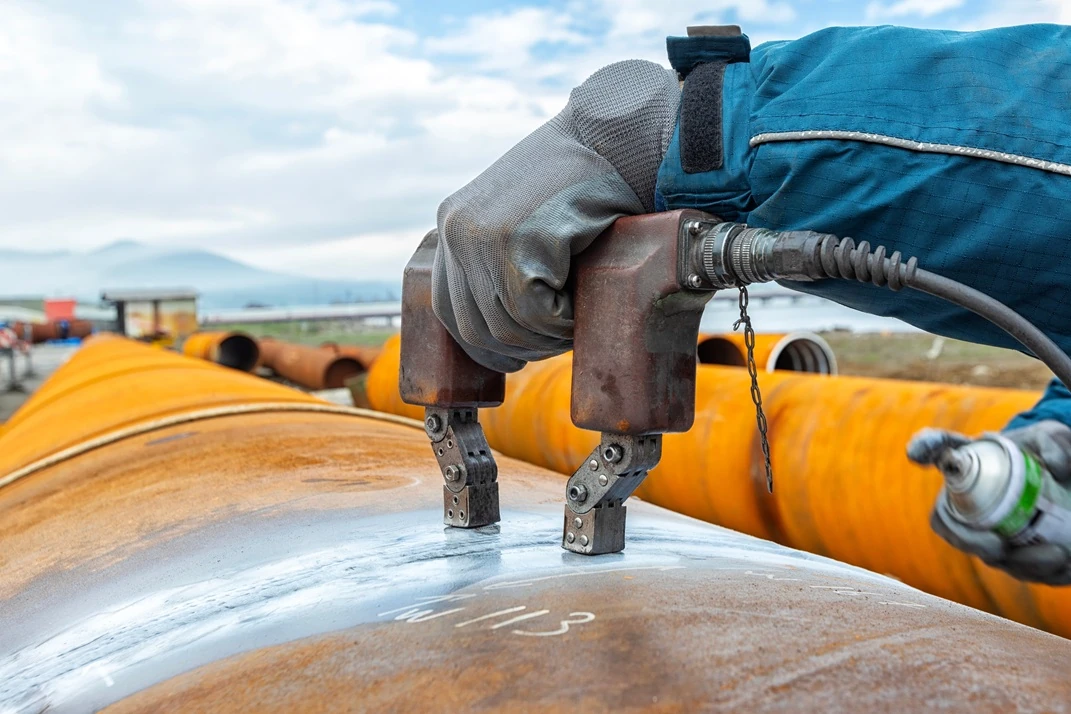
AS 4037 sets the examination and testing applied during manufacture: which welds get non-destructive examination, by which methods and to what extent, and the pressure test the finished equipment must pass. Our hydrostatic testing page covers how that pressure test is carried out.
AS 3920 covers conformity assessment: independent checks that the design and the finished equipment meet the standards. That includes design verification and fabrication inspection by a competent inspection body. The amount of independent checking increases with hazard level.
Operating It: AS 3873 and AS/NZS 3788
Once equipment is in service, two standards take over.
AS 3873 covers operation and maintenance: safe operating limits, operator competence, maintenance of the equipment and its safety devices, and procedures for start-up, shutdown and abnormal conditions.
AS/NZS 3788 covers in-service inspection. The current edition, AS/NZS 3788:2024 (since amended), sets the types of inspection, intervals, competence of the people doing them, handling of defects, repairs and alterations, and the records an owner must keep. It covers boilers, pressure vessels and pressure piping. Our plain-English guide to AS 3788 covers what it asks of owners.
Some operators, particularly in oil and gas, also apply American in-service codes. Our comparison of API 510 and AS/NZS 3788 explains how the two approaches relate on Australian sites.
Where Registration Fits
Standards describe how to design, build and inspect equipment. Registration is a legal requirement under work health and safety regulations.
Under the model WHS Regulations adopted by most jurisdictions, certain pressure equipment designs must be registered, and certain items of pressure equipment must be registered before use. Which designs and items depends largely on the AS 4343 hazard level. Requirements and exemptions vary between states and territories, so check your own regulator's guidance. For NSW, see our guide to pressure vessel compliance and registration in NSW.
Which Standard Do You Need Right Now?
The standard that matters depends on what you are doing with the equipment.
Buying or specifying new equipment: the design standard (AS 1210, AS 1228, AS 4041 or AS 2971), AS 4343 for the hazard level, AS 3920 for conformity assessment, and design registration if the hazard level requires it.
Installing and commissioning: AS/NZS 1200 and item registration where required.
Operating: AS 3873 for operation and maintenance, and AS/NZS 3788 for inspection.
Finding a defect or planning a repair: AS/NZS 3788 for how defects and repairs are handled, plus the original design standard, AS 3992 for welding and AS 4037 for examination of the repair.
Changing pressure, temperature or contents: treat it as a re-rating or alteration. It goes back through design assessment against the design standard, and possibly re-registration.
APEC Inspection is based in Newcastle and provides pressure vessel inspection and the non-destructive testing that supports it, including ultrasonic testing, phased array ultrasonic testing, magnetic particle inspection and hydrostatic testing. We are accredited by NATA to ISO/IEC 17025:2017, and our non-destructive testing is carried out by technicians certified to ISO 9712 through AINDT. To scope an inspection, request a quote with the equipment list, nameplate details and hazard levels if you have them.