Why This Guide Exists
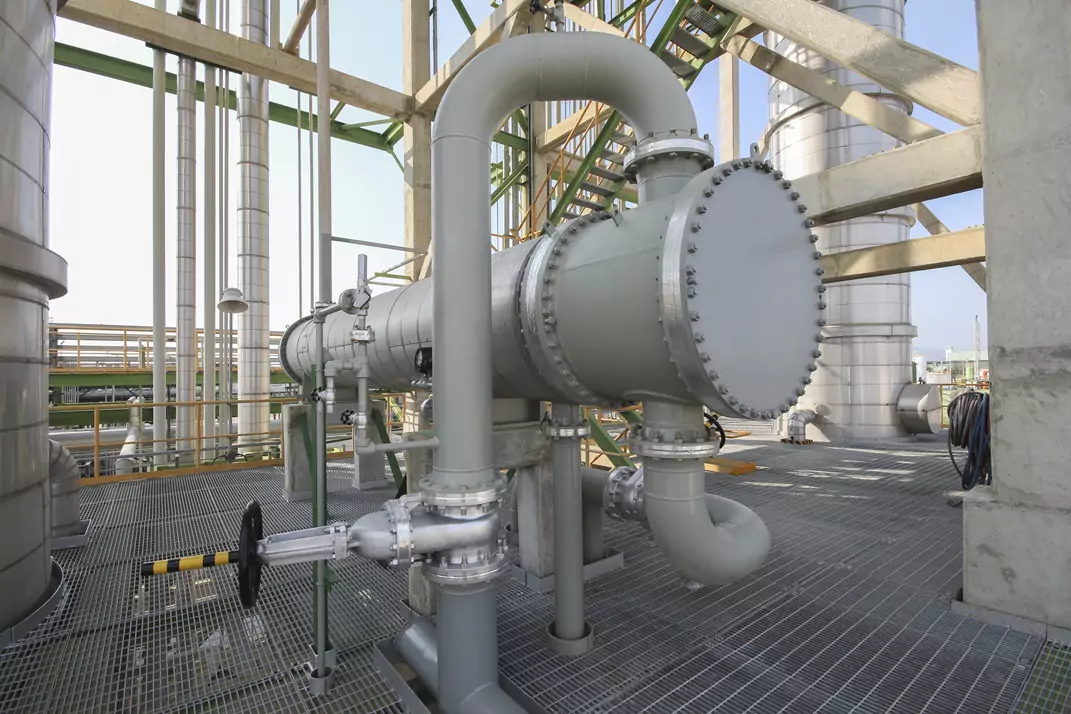
Most workshops, plants and mine sites in the Hunter have pressure equipment on site: compressed air receivers, process vessels, heat exchangers, boilers or gas storage. The people responsible for that equipment are often maintenance managers or site owners rather than pressure equipment specialists.
This guide covers the practical side of compliance in NSW: who holds the obligations, what has to be registered, which records to keep, what triggers an inspection outside the normal cycle, and how to prepare a site so an inspection runs smoothly. For inspection intervals and scope by vessel type, see our inspection requirements by vessel type and our guide to AS 3788. Compressed air equipment is covered in our air receiver inspection guide.
This is general information, not legal or engineering advice. Requirements depend on the specific equipment, and the current legislation and standards take precedence over any summary.
Who Holds the Obligations
Under NSW work health and safety law, the business or undertaking that has management or control of plant at a workplace is responsible for managing its risks. For pressure equipment that means making sure it is maintained, inspected and tested by a competent person, following the manufacturer's recommendations or, where there are none, the recommendations of a competent person.
Designers, manufacturers, importers and suppliers have their own duties further up the chain, but once a vessel is installed and operating on your site, the day-to-day obligations sit with you. Hiring or leasing equipment does not remove the obligation from the site that controls it.
In practice, most businesses meet these duties by setting up an inspection programme under AS/NZS 3788, the Australian standard for in-service inspection of pressure equipment, and engaging a competent inspection provider to carry it out.
What SafeWork NSW Registers
SafeWork NSW administers two separate kinds of registration for pressure equipment, and they are often confused.
Design registration applies to the design of pressure equipment, other than pressure piping, that falls within hazard levels A to D under AS 4343. The designer or manufacturer usually arranges it, and the design registration number should be supplied with the equipment.
Item registration applies to individual items of higher-hazard plant, including boilers and pressure vessels at hazard levels A, B or C under AS 4343. Some categories are excluded, including gas cylinders and serially produced vessels. Item registration is the responsibility of the person with management or control of the plant, and the registration number must be marked on the item.
The hazard level is set by AS 4343 from the vessel's pressure, volume and contents. It is the starting point for working out which registrations apply, so if you do not know the hazard level of a vessel, find it out first. The manufacturer's data report or the design registration documents normally state it.
If a vessel should be registered and is not, or you have inherited equipment with no paperwork, contact SafeWork NSW for the current process rather than relying on a summary.
The Records to Keep
Good records are what turn an inspection programme into evidence of compliance. For each pressure vessel on site, keep:
The manufacturer's data report and nameplate details: design code, design pressure and temperature, materials and hydrostatic test pressure.
Design and item registration numbers where they apply.
Every inspection report, with the inspector's findings, thickness readings, NDT results and the date the next inspection is due.
Repair and alteration records, including the weld procedure used, NDT of the repair and any pressure test afterwards.
Safety valve records, including set pressure and the date of each test or replacement.
Thickness readings in particular gain value over time. A single reading shows the wall today. A series of readings shows the corrosion rate, and the corrosion rate is what allows intervals and remaining life to be calculated rather than assumed.
What Triggers an Inspection Outside the Normal Cycle
A regular inspection schedule is the baseline, but some events call for an inspection before the next scheduled one:
Repair or alteration. Any welding on a pressure-containing part, and any change to nozzles, supports or fittings.
Relocation. A vessel that has been moved, especially between sites, should be inspected before it goes back into service.
Change of service. A change in contents, pressure or temperature can bring in damage mechanisms the original programme did not allow for.
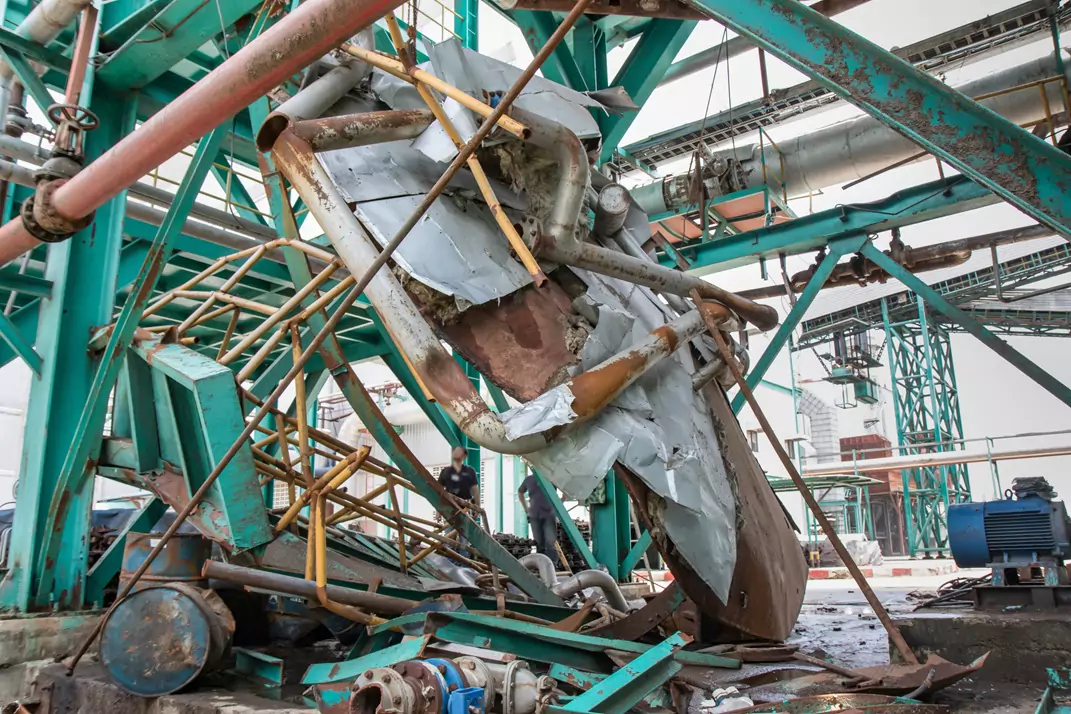
Damage or an incident. Impact, fire exposure, overpressure or a safety valve lifting unexpectedly.
Long idle periods. Equipment returning to service after a long shutdown or storage period.
After a repair or alteration, a hydrostatic test may be required before the vessel returns to service. The inspector and the repair procedure will set out what applies.
How to Prepare a Site for Inspection
Most delays on inspection day come from the site not being ready, not from the inspection itself. The following makes a real difference:
Isolate and depressurise the vessel, and have isolation and permit arrangements agreed before the crew arrives.
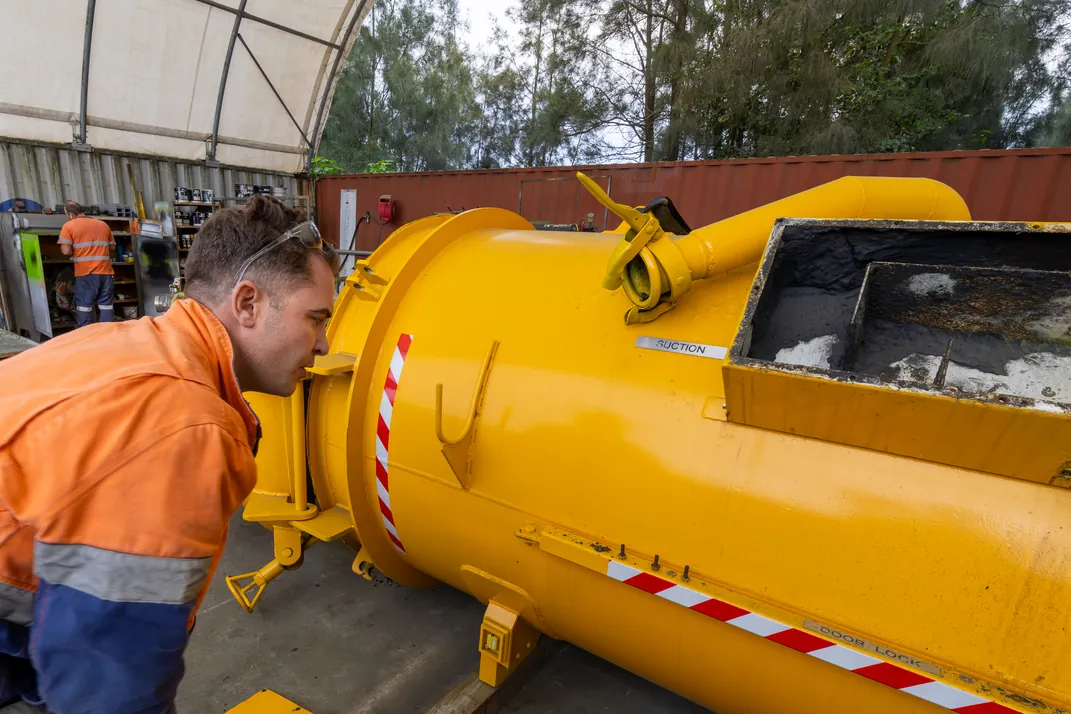
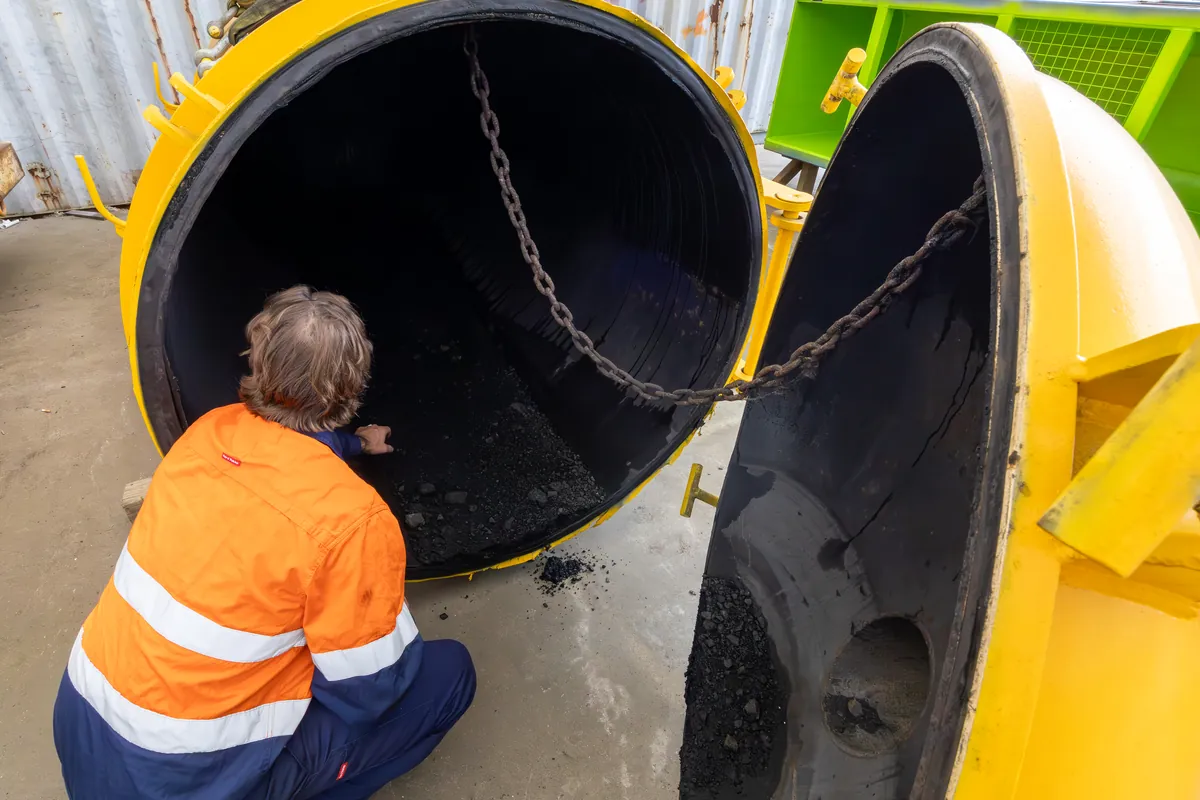
Clean the internals where an internal inspection is scheduled. Sludge, scale and product residue hide the surface the inspector needs to see.
Arrange confined space entry where it is needed, including gas testing, standby person and rescue arrangements.
Provide access to the external surfaces, nozzles and supports, including scaffolding or elevated work platforms for larger vessels, and remove insulation at agreed inspection points.
Have the records ready, especially the last inspection report, so the inspector can compare findings with previous results.
Where the inspection is one item in a larger outage, the sequencing matters more. Our notes on planning inspection into a shutdown cover how to fit inspection into a shutdown plan.
What the Inspection Involves
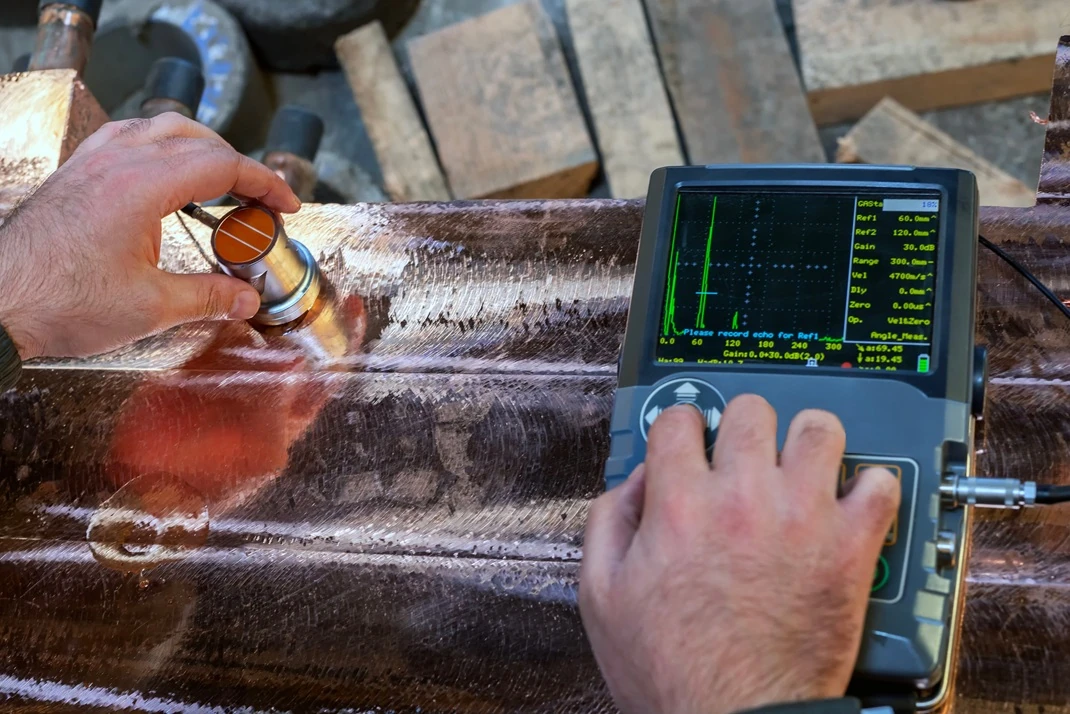
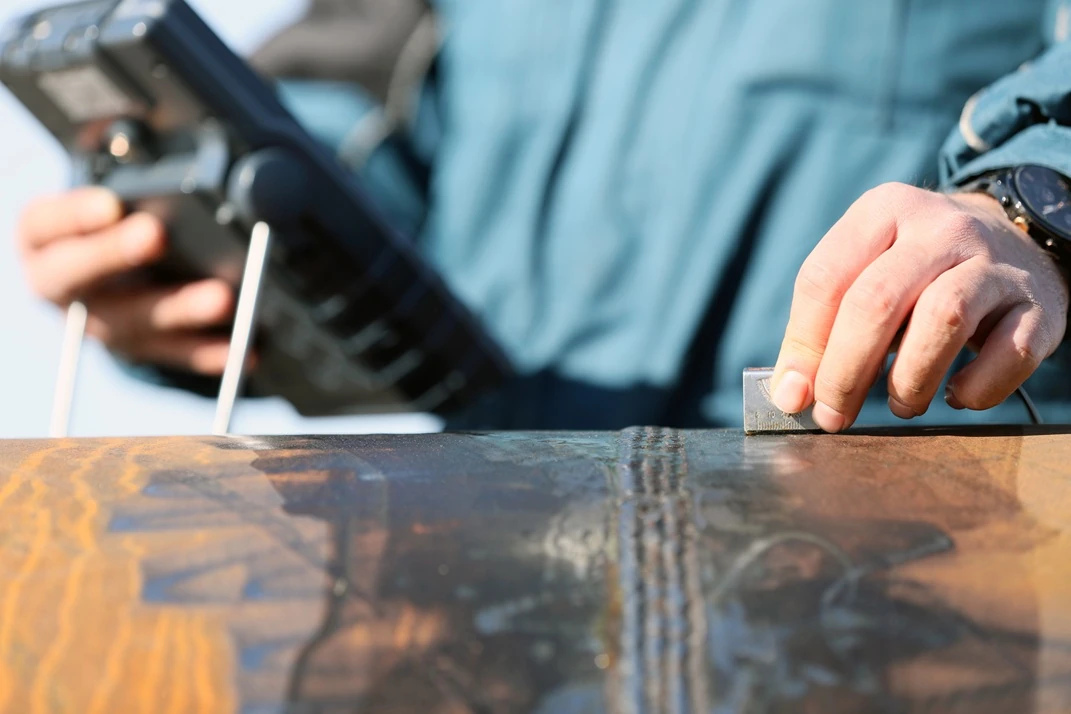
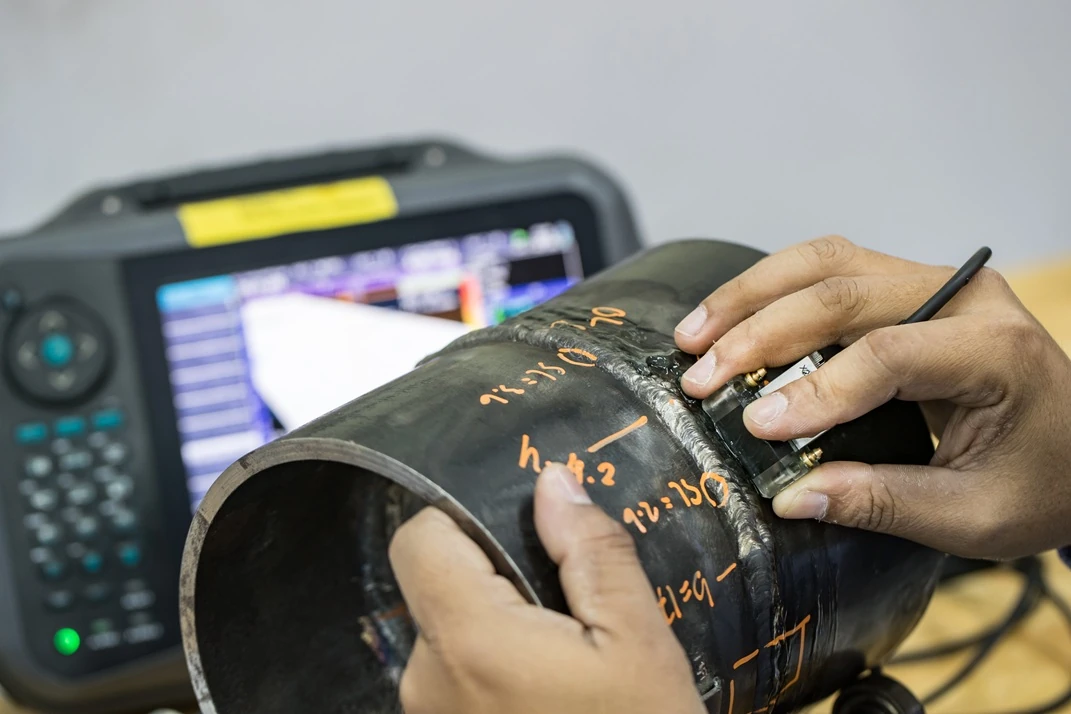
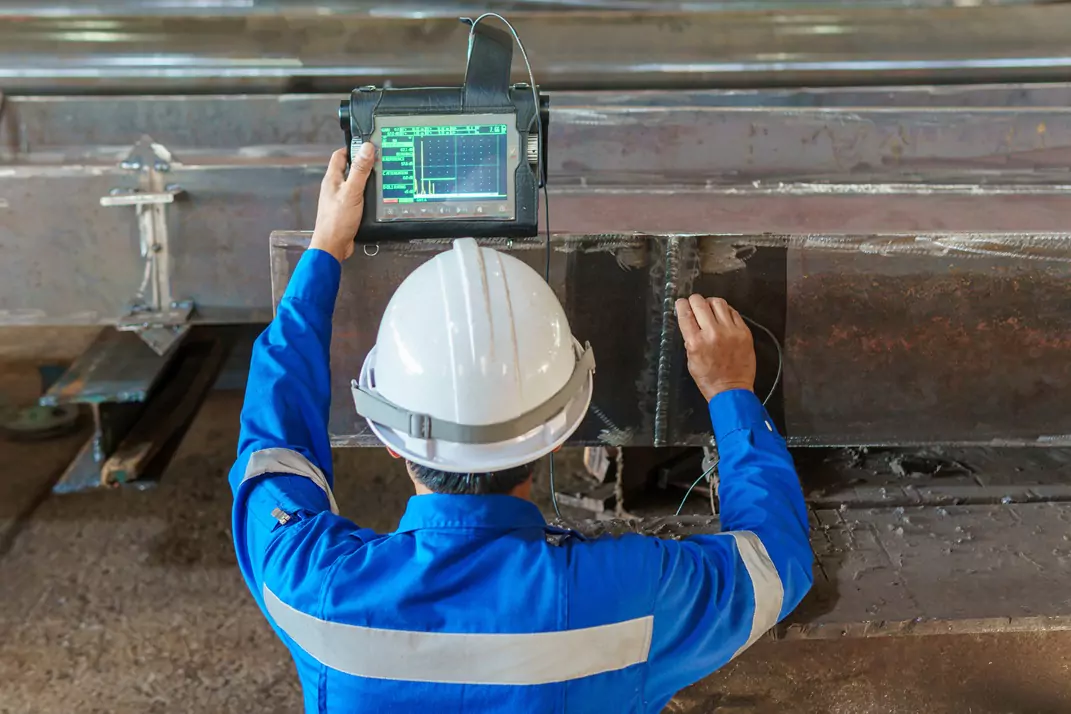
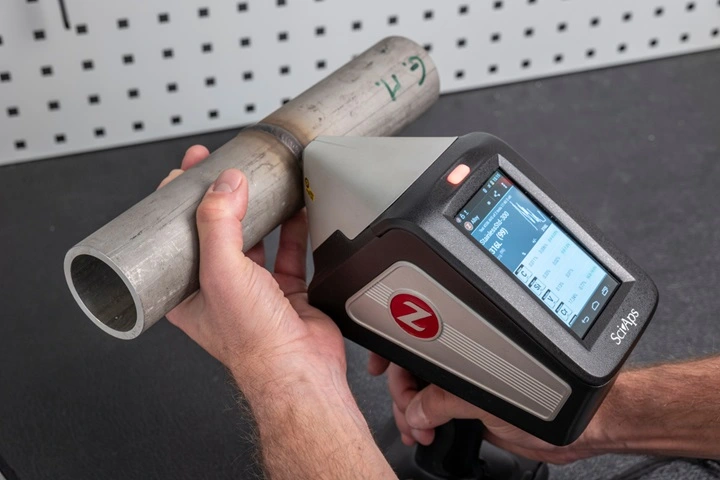
An in-service inspection combines visual examination of the internal and external surfaces with non-destructive testing chosen for the damage mechanisms the vessel is exposed to.
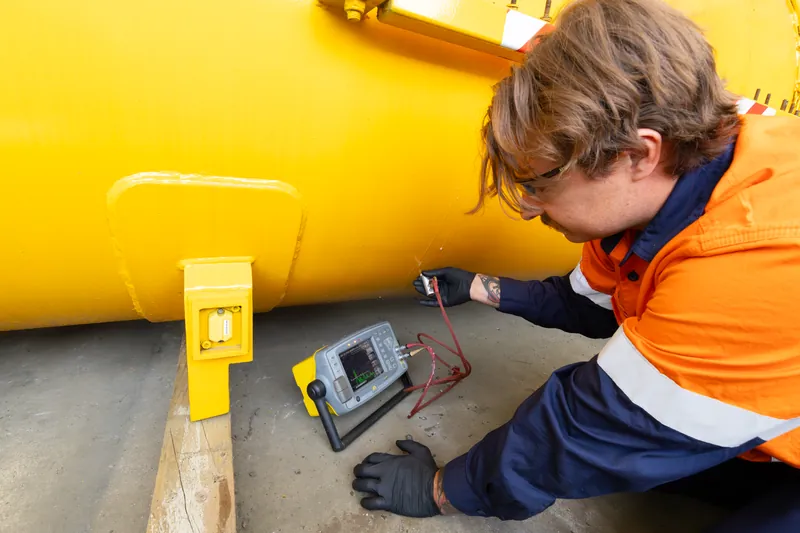
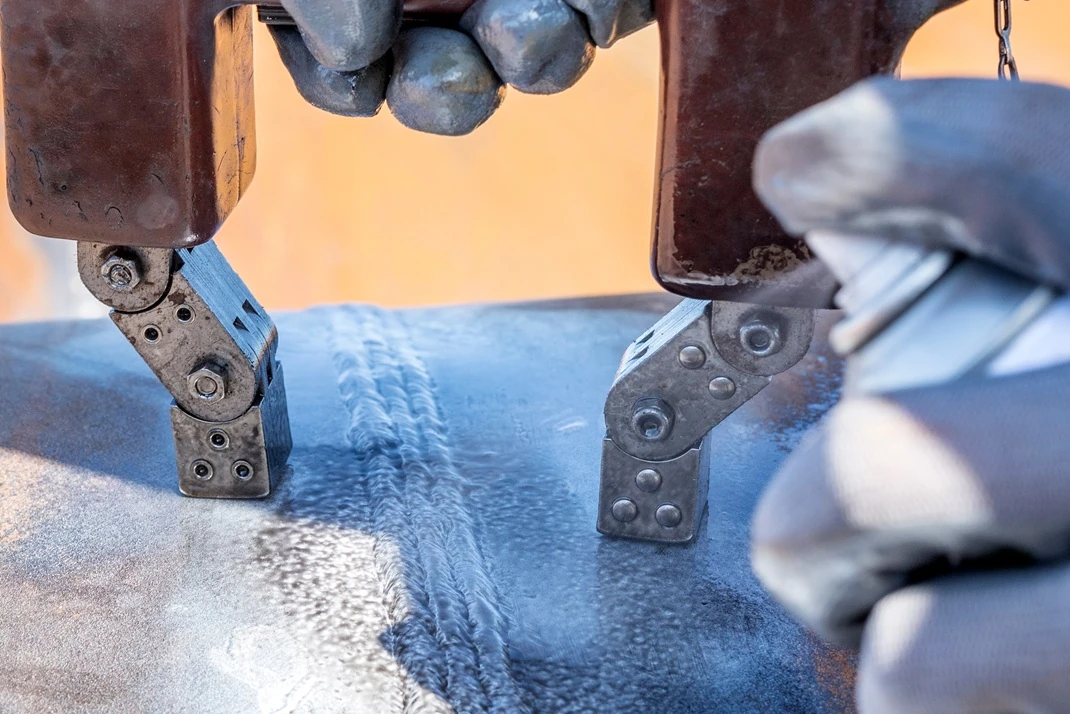
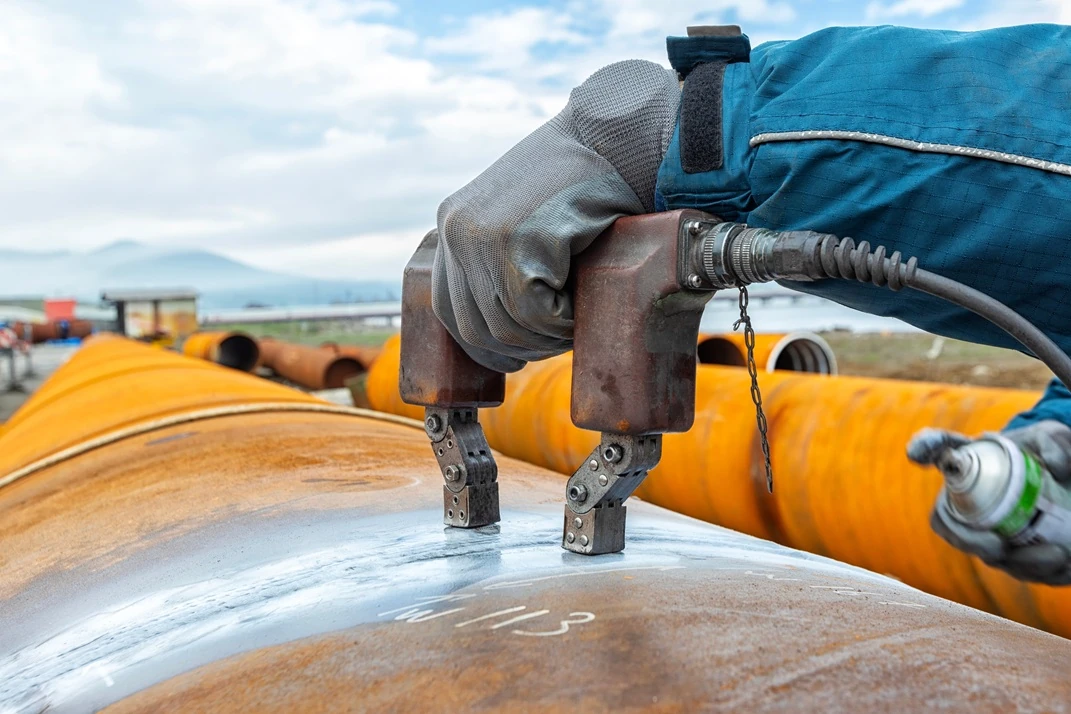
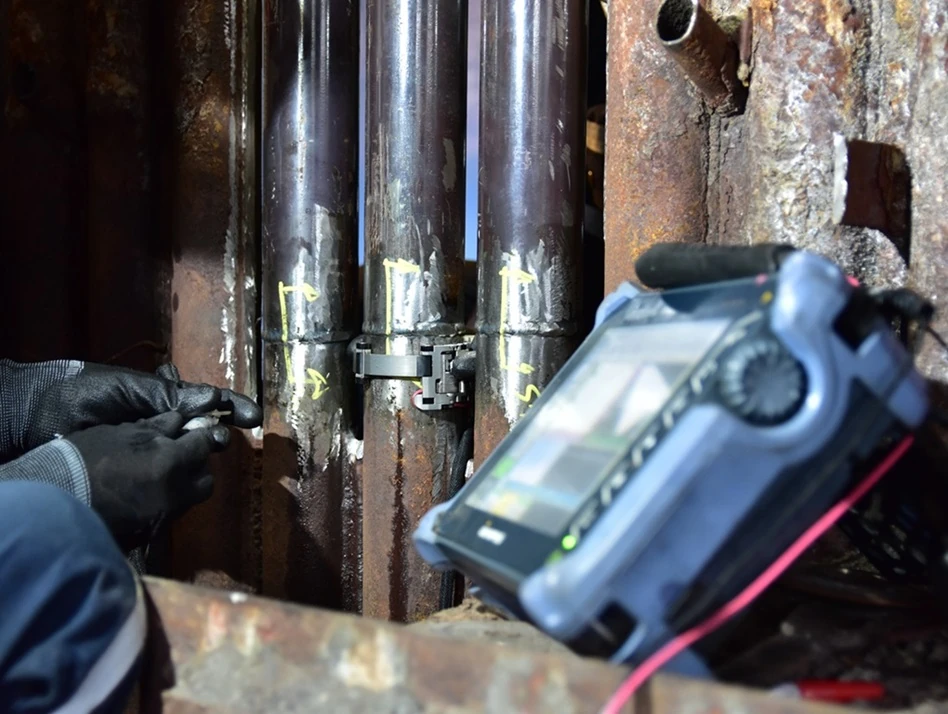
Ultrasonic thickness testing measures remaining wall thickness and tracks corrosion. Magnetic particle inspection or dye penetrant testing examines welds and nozzle connections for surface cracking. Phased array ultrasonic testing is used where weld volume or complex geometry needs a closer look.
The inspector then reports the condition of the vessel, any defects and their significance, and the recommended date for the next inspection. That report is the core compliance record, and it is worth reading it closely rather than just filing it.
Pressure Vessel Inspection in the Hunter
Pressure equipment in the region ranges from compressed air receivers in fabrication shops and mine workshops to process vessels on Kooragang Island and the auxiliary plant at the Hunter's power stations. The compliance framework is the same across all of it: know the hazard level, hold the right registrations, keep the records and inspect on a defined programme.
APEC Inspection is based in Newcastle and provides pressure vessel inspection together with the NDT methods it relies on. We are accredited by NATA to ISO/IEC 17025:2017, and our non-destructive testing is carried out by technicians certified to ISO 9712 through AINDT. See our page on NDT across the Hunter Valley, or request a quote with the vessel details and your preferred inspection window.