
A Simple Guide to AS/NZS 3788 for Pressure Vessel Owners
Do you own a pressure vessel in Australia? This equipment helps your business run every day but can also be dangerous if not cared for. You have a duty to keep it safe. The main rule for this is AS/NZS 3788. This guide makes the standard easy to understand and explains what it is and what you need to do. Following these rules protects your staff and your business. Keeping your equipment in top shape is a smart business move for everyone.
What Is the AS/NZS 3788 Standard?
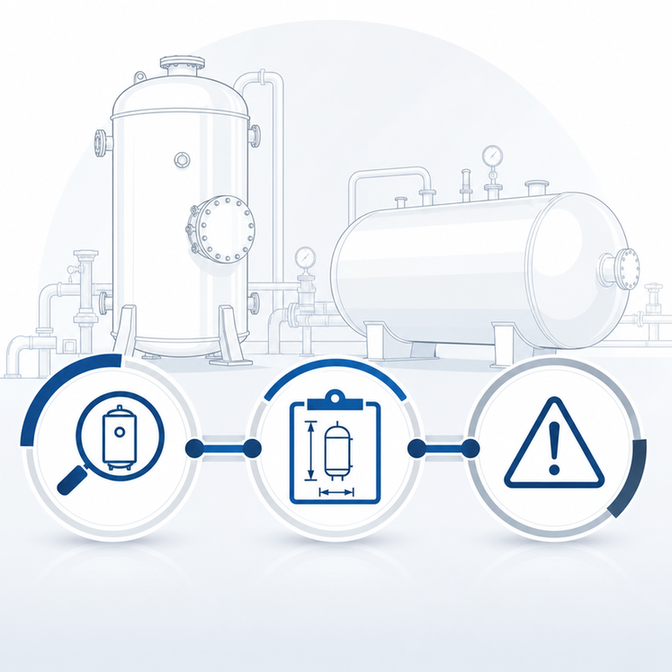
AS/NZS 3788 is a set of rules for pressure equipment. It tells you how to inspect your gear after it is installed and throughout its life. The main goal is to ensure your equipment stays safe to use. A new version, AS/NZS 3788:2024, was released in June 2024, updating some of the older rules for both Australia and New Zealand. This standard is very important for owners because it sets best practice for maintaining your assets. Our team offers expert pressure vessel inspection services to help you follow these rules. AS/NZS 3788 works with other key standards: AS 1210 covers how vessels are made, and AS 4343 helps determine how risky your equipment is. Together, these standards create a full safety system for your pressure equipment.
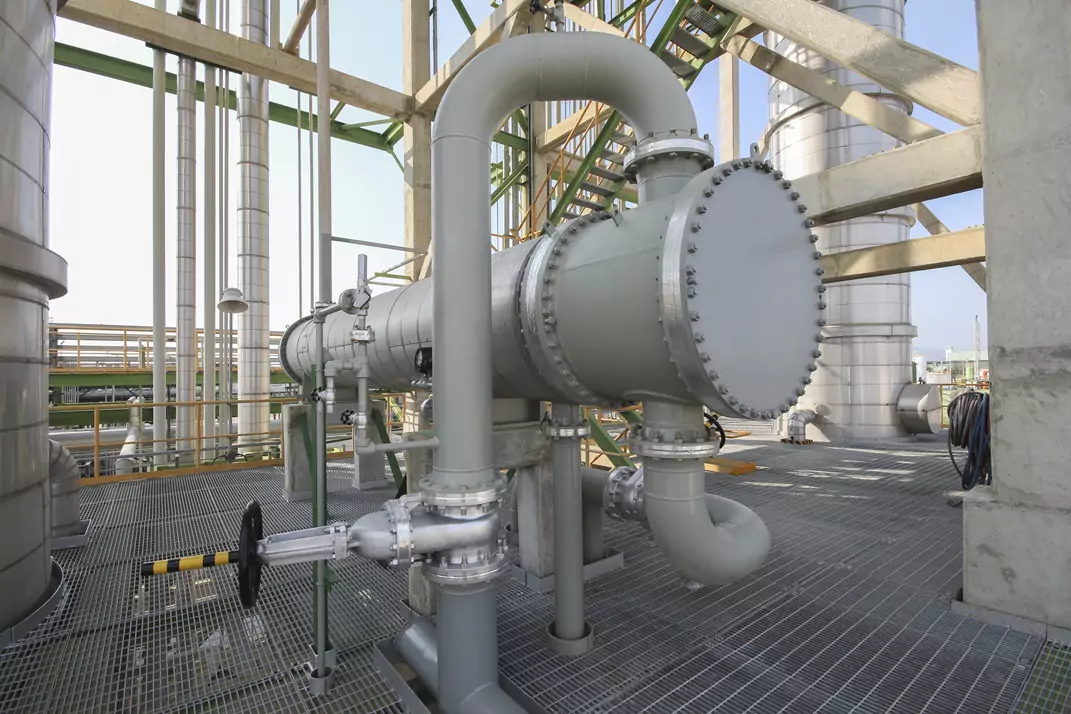
The standard covers many types of equipment, including boilers, pressure vessels like air receivers, pressure piping, and safety devices that control pressure. However, it does not cover everything; for example, gas cylinders have their own separate rules. It is important to know exactly what equipment on your site needs to follow AS/NZS 3788. Checking your equipment list against the standard is a great first step. This ensures you apply the right safety checks to the right items, helping keep your workplace free from accidents and extending the life of your gear.
AS 3788, AS/NZS 3788 or AS3788 — Are They the Same Standard?
Yes. AS 3788, AS/NZS 3788 and AS3788 all refer to the same document: the Australian and New Zealand standard covering the in-service inspection of pressure equipment. The difference is only in how people write it.
The current edition is published jointly by Standards Australia and Standards New Zealand, which is why the formal designation carries the AS/NZS prefix. Older editions were Australian-only and were cited simply as AS 3788, and that shorter form has stuck — it is still how most owners, maintenance planners and inspectors refer to it day to day. You will see all three spellings in tender documents, inspection reports and maintenance systems, and they mean the same thing.
What matters far more than the spelling is the edition. Standards are revised, and requirements and clause numbering change between editions. If a procedure, contract or inspection plan cites AS 3788, check which edition it means before relying on it.
Your Legal Duties as a Pressure Vessel Owner
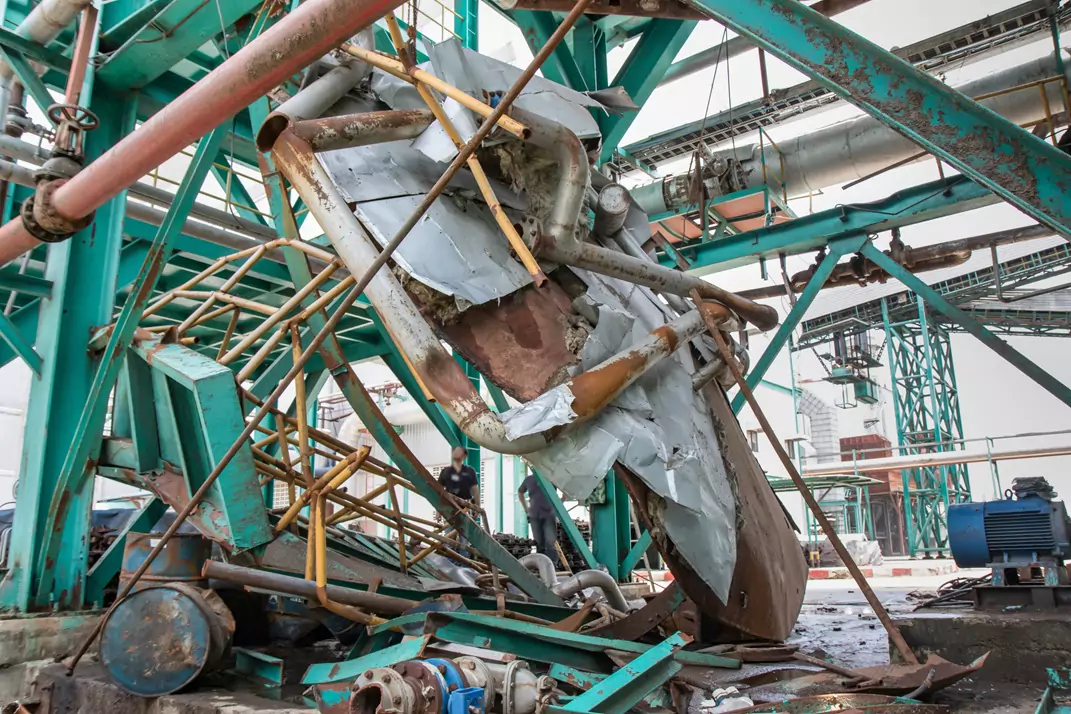
As the owner, you are legally responsible for your pressure vessel under work health and safety laws. You must make sure it operates safely by managing risks through regular checks and maintenance. If you fail to do this, the consequences can be serious: you could face large fines, legal action, and your insurance might not cover an accident if you ignore the rules. Keeping good records is also part of your duty. You need documentation for every inspection, repair, and test to prove you take safety seriously. These records show a history of proper care and are essential if a safety officer ever visits your site, as they will want to see evidence of your safety checks.
Some pressure equipment must be registered with your state's safety authority. According to SafeWork SA, equipment with a According to SafeWork SA, boilers and pressure vessels that fall into Hazard Level A, B, or C under AS 4343:2014 must be formally registered with them.[1] For certain high‑risk equipment, you cannot legally use it unless it has been registered with the relevant authority and assessed by a competent person as “Safe to Operate.”[2 - 5] This certificate comes from a qualified inspector and confirms the vessel has been checked and is not a danger. We can guide you through the air receiver inspection process to get this certificate. Meeting these legal duties is about more than avoiding penalties; it is central to creating a safe work environment and keeping your vessels reliable assets that support your business.
Understanding Hazard Levels and Why They Matter
Not all pressure vessels have the same level of risk. To sort them out, we use a system of hazard levels. The standard AS 4343 explains this system, ranking equipment from Hazard Level A (the highest risk) to Hazard Level E (the lowest). The ranking is based on several key factors, including the vessel's size, the pressure it holds, the type of fluid inside, and the operating temperature. Some fluids, like toxic gases, are far more hazardous than air or water. Knowing your vessel's hazard level is critical because it indicates how careful you need to be and guides the inspection schedule.
The hazard level directly impacts your duties as an owner. "High-hazard vessels (A, B, and C) must be registered with the WHS regulator and inspected regularly by a competent person under AS/NZS 3788, with inspection intervals and scope set by their risk profile because a failure would be much more serious.[6 - 8]" A Hazard Level A vessel needs very close supervision, while a low-hazard vessel, like Level D or E, has simpler rules. The inspection plan for each vessel should be based on its specific hazard level so you can focus your efforts on managing the biggest risks. Our team can help you understand the hazard level of your equipment. We provide NDT services that give you a clear picture of your vessel's condition, whatever its risk level, helping you create an effective safety plan for your entire site.
Who Is a "Competent Person" for Inspections?
The standard says a "competent person" must do the inspections. A competent person is someone with the right skills, knowledge, and experience to inspect pressure equipment properly. They understand how vessels work and what can go wrong, know how to find signs of damage like cracks or corrosion, and can choose the correct inspection methods. After the check, they decide if the vessel is safe for more service. This role carries a lot of responsibility because the safety of your workers depends on their judgment, including tough calls about repairs or retirement of a vessel. A competent person provides the final word on the vessel's safety.
The rules for who is competent can vary slightly by state. For very high-risk equipment, you often need an inspector with specific qualifications. While not always a legal rule, many businesses look for certification from groups like AICIP. APEC's inspection personnel hold AICIP certification — see pressure vessel inspection and certification for how that applies to your equipment. The Australian Institute for the Certification of Inspection Personnel provides a voluntary scheme for inspectors, showing they have met a high standard of training and experience. For equipment with lower risks, an experienced tradesperson might be considered competent, as long as they can prove their ability to do the job safely and correctly. Choosing the right inspector is a major decision. You want someone who is thorough and reliable so your pressure vessel inspections are done right every time, giving you confidence and keeping your site safe.
The Inspection Process from Start to Finish
The inspection process is a planned set of steps that begins when the equipment is first installed. This is called a commissioning inspection and confirms the vessel was set up correctly and is safe to start using. After that, the vessel enters a cycle of regular checks, called periodic inspections. This is the main part of the safety program, with the goal of finding problems before they become dangerous failures. The process also includes controls for any repairs or changes. If you need to modify a vessel, it must be done safely so the repair is at least as strong as the original part, and the standard provides guidance on how to achieve this.
Another part of the process is looking at the vessel's future. Inspectors may perform a remaining life assessment to predict how much longer the equipment can operate safely and help you plan for future replacements. A major change in the 2024 standard is the need for a documented inspection plan. This means you need a written plan for each piece of equipment stating what will be checked, how it will be checked, and at what intervals. This makes the whole process clearer and more organized and provides a structured way to manage the health of your pressure equipment over its entire life.
How Often Should You Inspect Your Equipment?
Many owners want to know how often they need to check their vessels. AS/NZS 3788 gives clear guidance with tables that suggest inspection schedules. The timing depends on the type of equipment and its hazard level. For example, WorkSafe Victoria guidance based on the standard says air receivers usually need an external check every two years and a more detailed internal inspection every four years. LP Gas vessels often have a different schedule: they might need an external check every two years but an internal one only every ten years. It is important to find the right schedule for your specific equipment by checking the standard.
However, these schedules are a baseline. The real timing can be affected by other factors, especially the conditions the vessel works in. A vessel holding a corrosive fluid may need checks more often. High pressures and high temperatures also cause more stress, which can lead to faster wear and tear, so you might need to inspect sooner than the table suggests. In some cases, you can extend the time between inspections if you use a formal Risk-Based Inspection (RBI) approach. This method uses data and analysis to show that a longer interval is still safe and is a more advanced way to manage inspections. For any inspection needs, you can contact our team for expert advice.
Internal vs. External Inspections: What's the Difference?
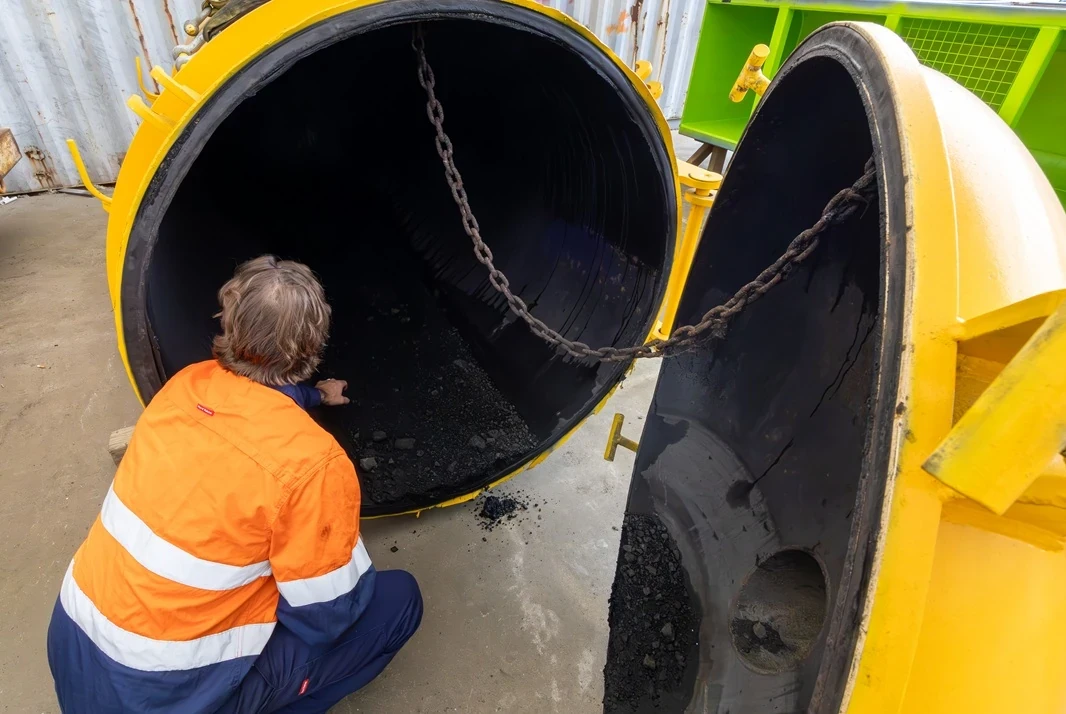
Inspections come in two main types: external and internal. An external inspection is a visual check of the outside of the vessel and is the most common type of check. The inspector walks around the equipment looking for rust, dents, leaks, coating damage, and other obvious signs of trouble. They also inspect all the connected pipes, fittings, supports, and safety devices like pressure relief valves to ensure they are working. This inspection can usually be done while the equipment is still running and is a quick way to spot surface problems before they get worse.
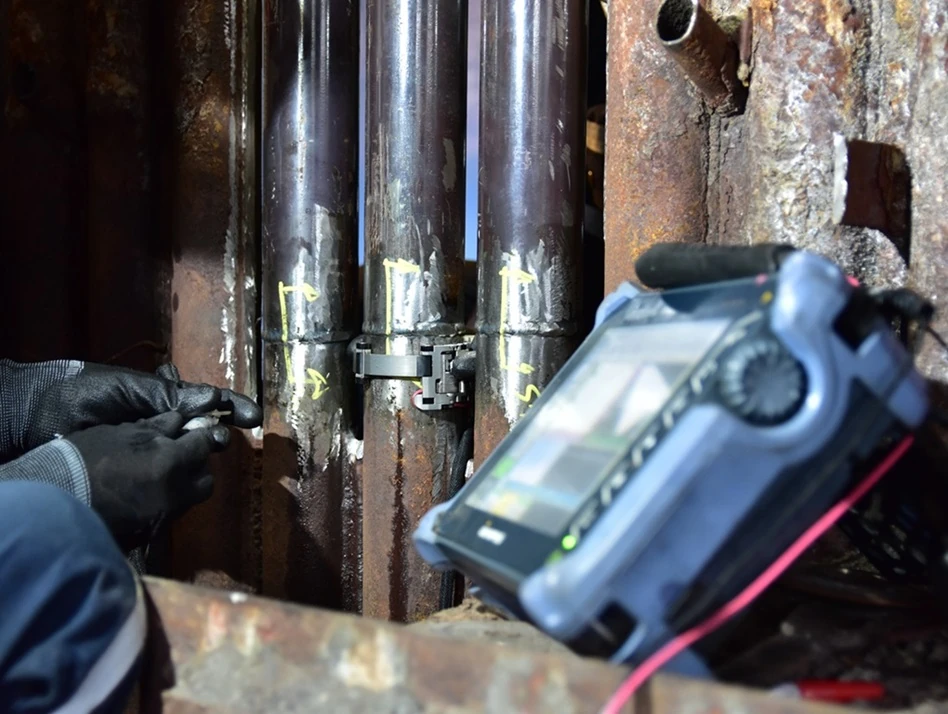
An internal inspection is much more detailed. For this check, the vessel must be taken out of service, shut down, emptied, and cleaned thoroughly because the inspector needs to see the inside surfaces clearly. In many cases, the inspector will physically enter the vessel, which requires strict confined space safety procedures. They examine the internal walls and welds for cracks, pitting, or thinning of the metal - issues you can never see from the outside. Sometimes, entry is not possible or safe. In these cases, special tools like cameras or non-destructive testing (NDT) equipment are used to assess the inside. This check is vital for the long-term health of the vessel.
The Role of Non-Destructive Testing (NDT)
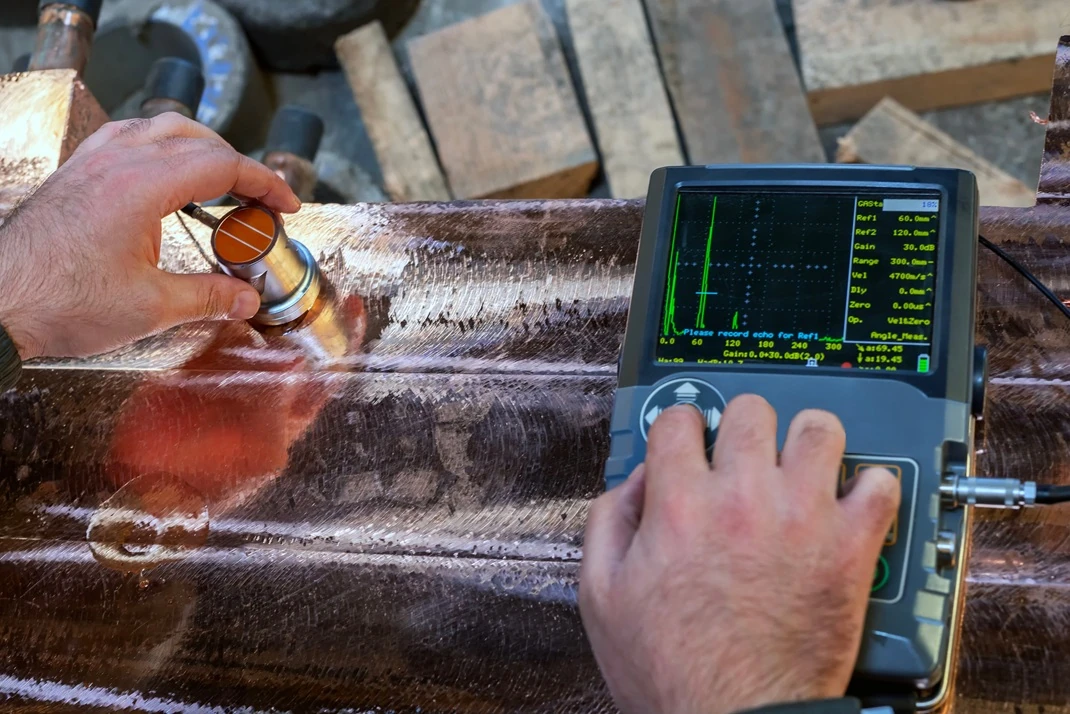
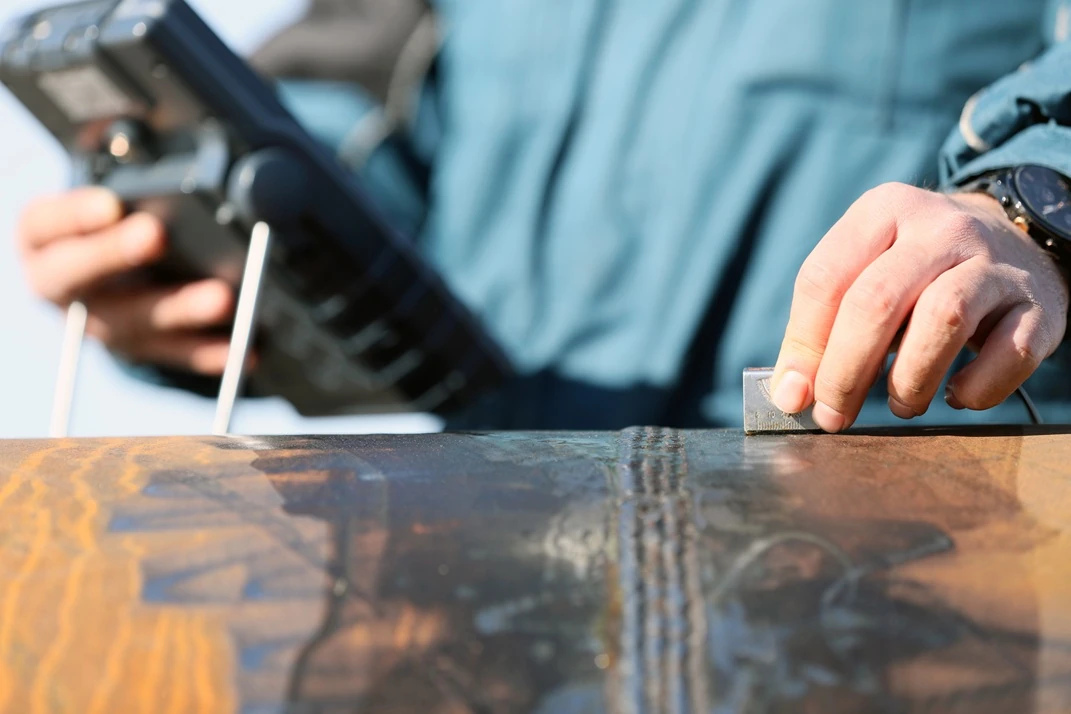
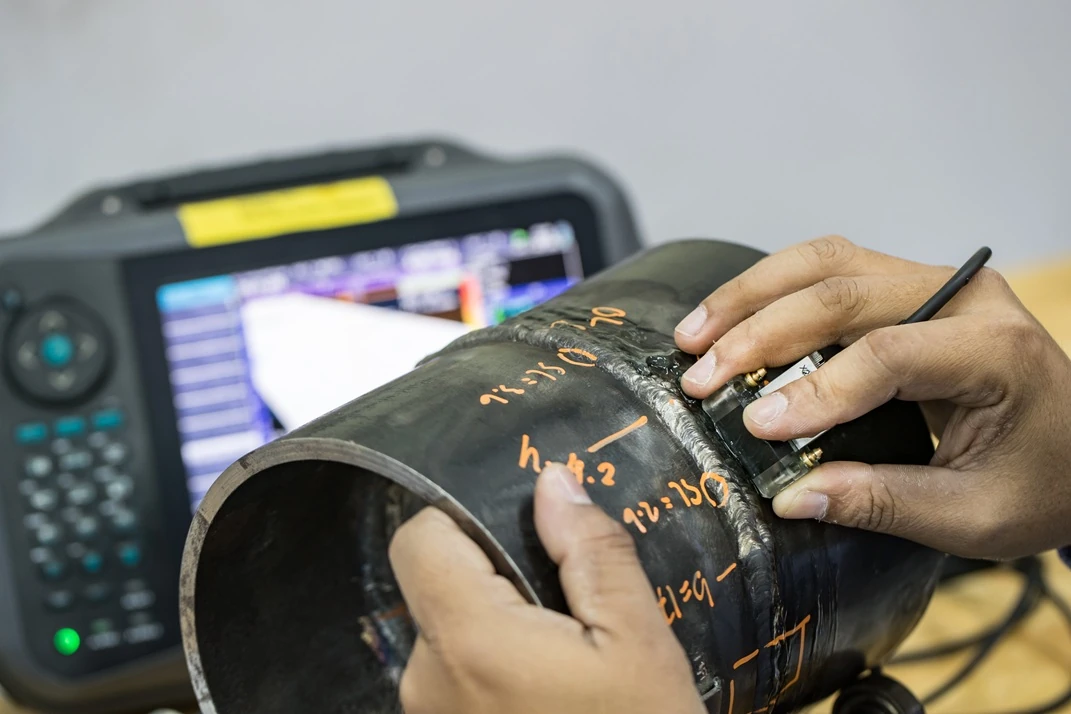
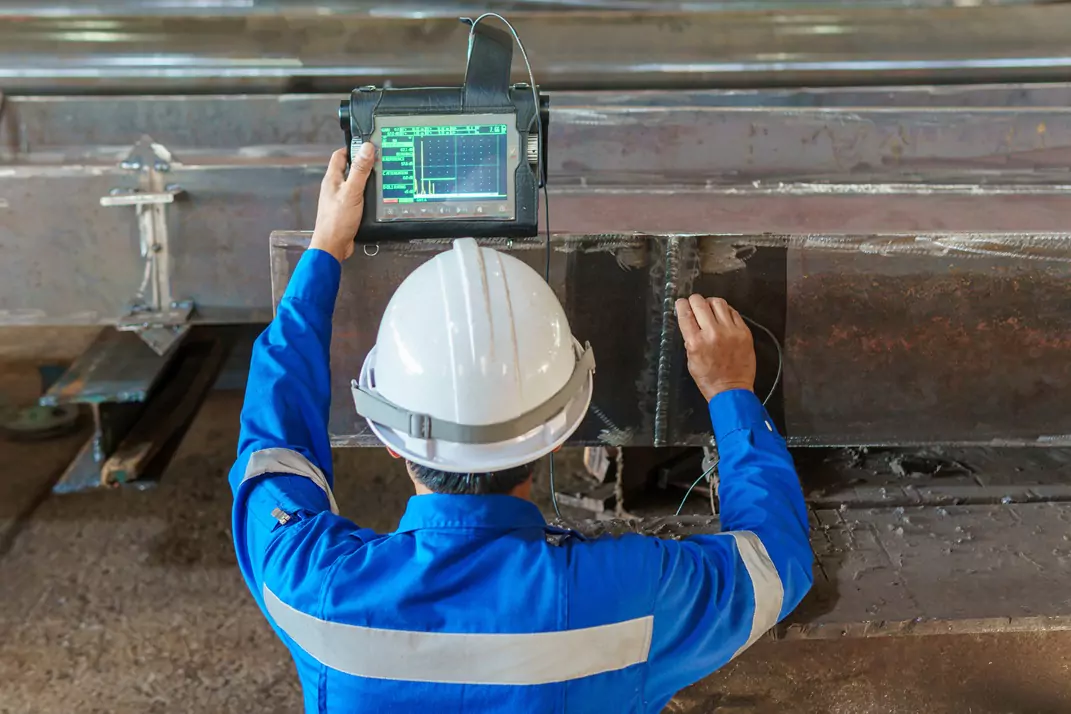
Sometimes, a simple visual check is not enough. We need to see what is happening inside the metal itself, and this is where non-destructive testing, or NDT, comes in. NDT is a way to inspect equipment without damaging it, using special technology to find hidden flaws. For example, ultrasonic testing sends sound waves into the steel and measures the echoes to find out how thick the vessel wall is. This shows if corrosion is thinning the metal and can reveal problems long before they are visible to the naked eye, giving you an early warning to take action.
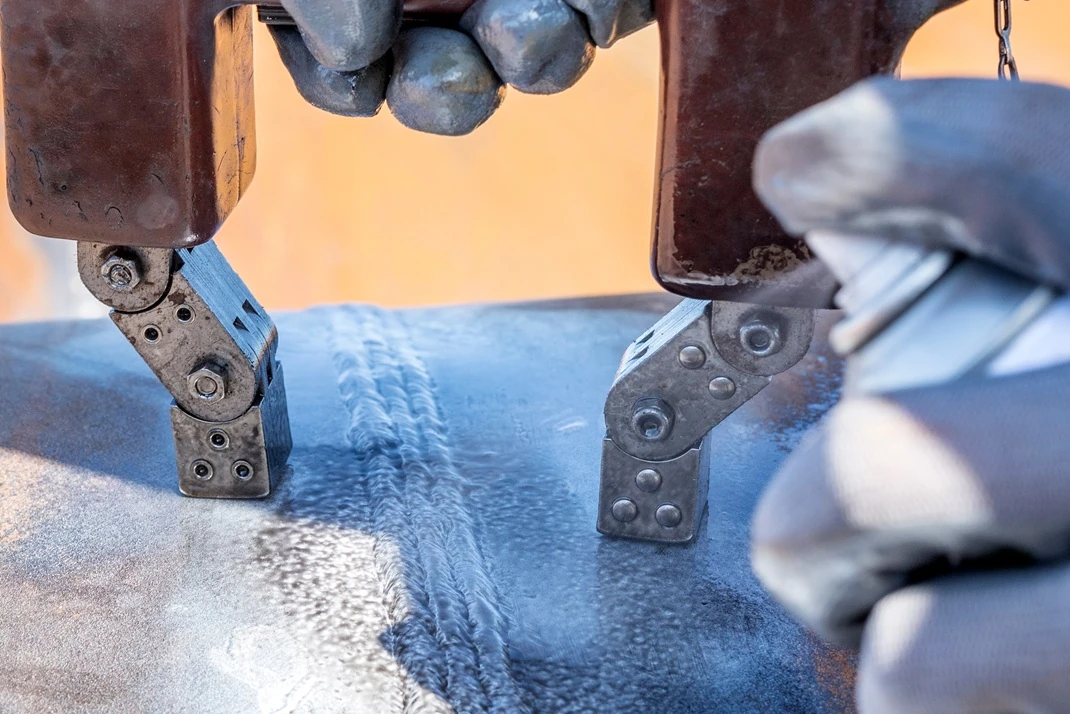
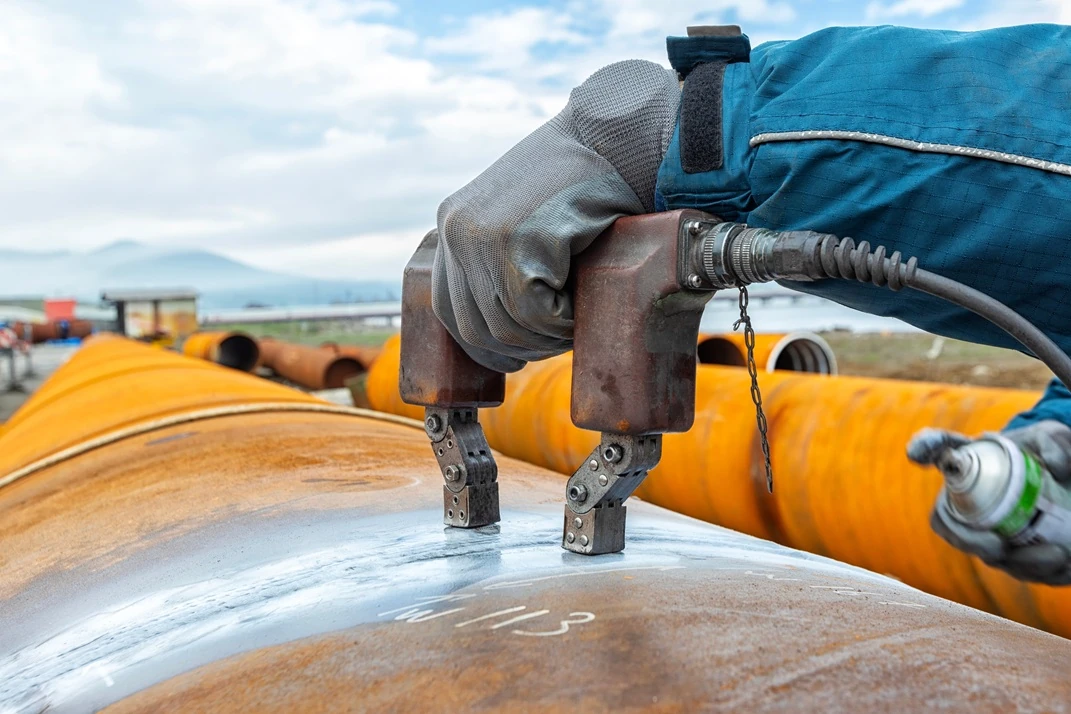
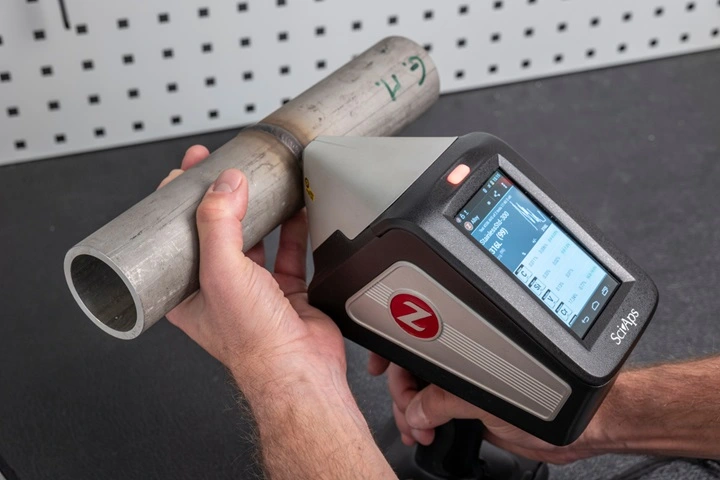
There are many different types of NDT, each suited to finding certain kinds of problems, and an effective inspection plan often combines NDT with visual checks. An inspector might see a suspicious area on the outside and then use NDT to get more information about what is happening under the surface. This approach gives a much more complete picture of the vessel's health. The latest version of AS/NZS 3788 encourages using these advanced methods. Using NDT helps ensure your inspections are as thorough as possible and is a key part of modern asset management, helping prevent unexpected failures and confirming your equipment is truly safe to operate.
Pressure Vessel Certification and What “Safe to Operate” Means
Owners often ask for “pressure vessel certification”, but that phrase covers two different things and it is worth separating them.
Design and manufacture certification happens once, before the vessel enters service. The vessel is designed and built to AS 1210, the design is verified, and the manufacturer's data report and material and weld records are compiled. In most states the equipment is then registered with the regulator. This is the paperwork that should follow the vessel for the whole of its life — and the paperwork that is most often missing on older equipment that has changed hands.
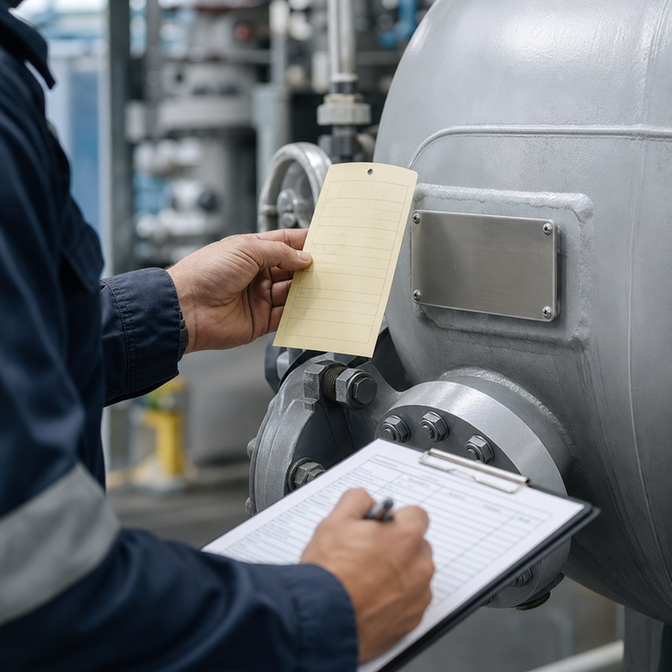
In-service certification is the recurring one. At each scheduled inspection under AS/NZS 3788, a competent person examines the equipment, assesses what has changed since the last inspection, and issues a report stating whether it remains fit for continued service together with the next inspection date. Where the equipment passes, that report is what people usually mean by a Safe to Operate certificate.
“Safe to Operate” is not a permanent status. It reflects the condition of the equipment on the day it was inspected, against the criteria in the standard, and it lapses at the next due date — or earlier if the service changes, the vessel is modified or repaired, or something happens in operation that warrants a fresh look.
In Australia, in-service inspection of pressure equipment is carried out by personnel certified under the Australian Institute for the Certification of Inspection Personnel (AICIP) scheme. That is the credential regulators and insurers look for on a pressure equipment inspection report. APEC's inspection personnel hold AICIP certification — see pressure vessel inspection and certification for how this applies to your equipment.
If your records are incomplete, the practical first step is a documentation review alongside the physical inspection, so gaps in the history are identified before they become a problem at audit or at sale.
Conclusion: Take Action on Safety Today
Understanding AS/NZS 3788 is vital for any pressure vessel owner. This standard is your guide to keeping equipment safe, meeting your legal duties, and protecting your people. Following the rules for registration, inspections, and record-keeping is a core part of running a safe and successful business. Regular checks by a competent person will find problems early, helping to prevent costly failures and dangerous accidents. Take the time to review your equipment and your safety plans today so your vessels remain safe and reliable assets for your operation.
[1] safework.sa.gov.au [2] worksafe.qld.gov.au [3] eess.gov.au [4] energysafe.vic.gov.au [5] asseteng.com.au [6] safework.sa.gov.au [7] amsa.gov.au [8] amsa.gov.au