Two Codes for the Same Job
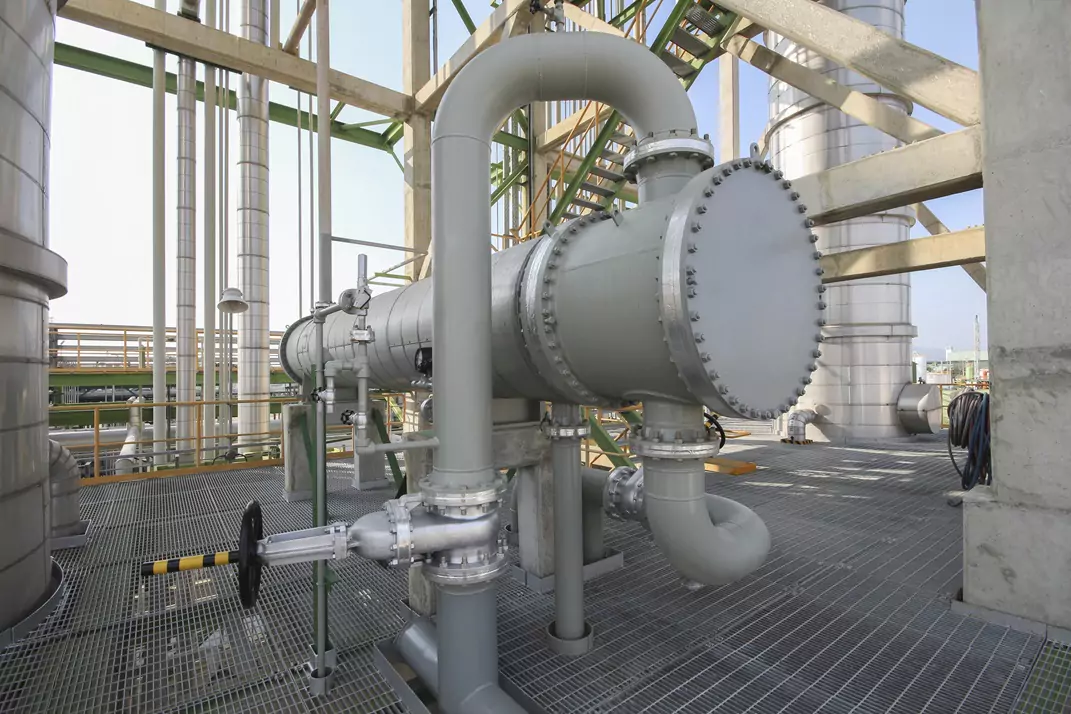
API 510 and AS/NZS 3788 both deal with the same problem: keeping pressure vessels safe once they are in service. Both cover inspection, assessment of what inspection finds, and repairs and alterations. Both appear in Australian contracts, maintenance strategies and tender documents, sometimes in the same document.
They come from different places, though. API 510 was written by the American Petroleum Institute for the oil, gas and chemical industries. AS/NZS 3788 is the Australian and New Zealand standard, part of the pressure equipment family that Australian work health and safety practice is built around. This article compares them and explains how they coexist on Australian sites.
It is a general guide, not legal advice. Which code governs a specific vessel depends on your regulator, your registration conditions and your own company standards. Standards are revised, and requirements change between editions. Always check which edition your contract, drawing or regulator cites before relying on any requirement.
What API 510 Is
API 510 is the American Petroleum Institute's Pressure Vessel Inspection Code: In-service Inspection, Rating, Repair, and Alteration; the current edition is the eleventh (2022). It applies to pressure vessels and their pressure-relieving devices once they are in service, most often vessels originally built to ASME Section VIII, and was developed for the petroleum refining and chemical process industries.
It is part of a wider API family. API 572 describes inspection practices for pressure vessels. API 580 and API 581 cover risk-based inspection. API 579-1/ASME FFS-1 covers fitness-for-service assessment of damage found during inspection.
Many searches for API 510 are really about the inspector certification. API's Individual Certification Program certifies inspectors against the API 510 body of knowledge by examination and experience. In Australia, AICIP certification is the widely used scheme for pressure equipment inspectors working to Australian standards. A contract may call for either, and the two are not interchangeable.
In the United States, a number of jurisdictions reference API 510 for refinery and petrochemical vessels. In Australia it has no legal standing of its own, but many operators with international integrity standards apply it through their company procedures.
What AS/NZS 3788 Is
AS/NZS 3788 is the Australian and New Zealand standard for in-service inspection of pressure equipment. The current edition is AS/NZS 3788:2024, since amended. Unlike API 510, it covers boilers, pressure vessels and pressure piping together, along with their safety fittings.
It sits within the AS/NZS 1200 pressure equipment family and works with AS 4343 hazard levels. It sets the types of inspection, inspection intervals, the competence of the people doing them, handling of defects, repairs and alterations, and the records owners must keep. Our map of the pressure equipment standards shows where it fits, and our plain-English guide to AS 3788 covers it in detail.
API 510 vs AS/NZS 3788 at a Glance
The main differences are scope, how intervals are set and the legal context.
| API 510 | AS/NZS 3788 | |
|---|---|---|
| Published by | American Petroleum Institute | Standards Australia and Standards New Zealand |
| Equipment covered | Pressure vessels and their pressure-relieving devices (piping is covered by API 570) | Boilers, pressure vessels and pressure piping |
| Typical setting | Refining, petrochemical, oil and gas | All industries using pressure equipment in Australia and New Zealand |
| Standing in Australia | Applied through company or contract requirements | The Australian in-service inspection standard within the AS/NZS 1200 family |
| Interval philosophy | Driven by remaining life and risk-based inspection, within maximum limits | Intervals by equipment type, adjustable for condition, history and risk |
| Inspector competence | API 510 certification programme | Competent person requirements; AICIP certification is widely used in Australia |
| Damage assessment | Links to API 579-1/ASME FFS-1 fitness-for-service | Fitness-for-service is within the standard's scope; recognised assessment methods may be used |
| Companion documents | API 572, API 580, API 581, API 579-1 | AS/NZS 1200, AS 4343, AS 3873, design and manufacture standards |
Inspection Intervals: Remaining Life vs Equipment Type
The clearest difference in practice is how each code decides when to inspect next.
API 510 ties intervals closely to remaining life, calculated from measured corrosion rates, and to risk-based inspection under API 580 and 581, within maximum limits. A vessel that is corroding faster gets inspected sooner, and a vessel with a well-documented low corrosion rate and low risk can justify a longer interval.
AS/NZS 3788 starts from intervals set by equipment type, then allows them to be adjusted based on condition, operating history, inspection findings and risk assessment. Extending an interval needs evidence: thickness trends, previous inspection results and a documented assessment.
In practice the two meet in the middle. Both reward good data and both punish its absence. An owner with consistent thickness records, a clear understanding of damage mechanisms and complete inspection reports is in a strong position under either code. Our guide to ultrasonic thickness testing and corrosion mapping covers how that data is gathered.
Where the Codes Agree: The Inspection Work Itself
Whichever code governs, the physical inspection uses the same methods.
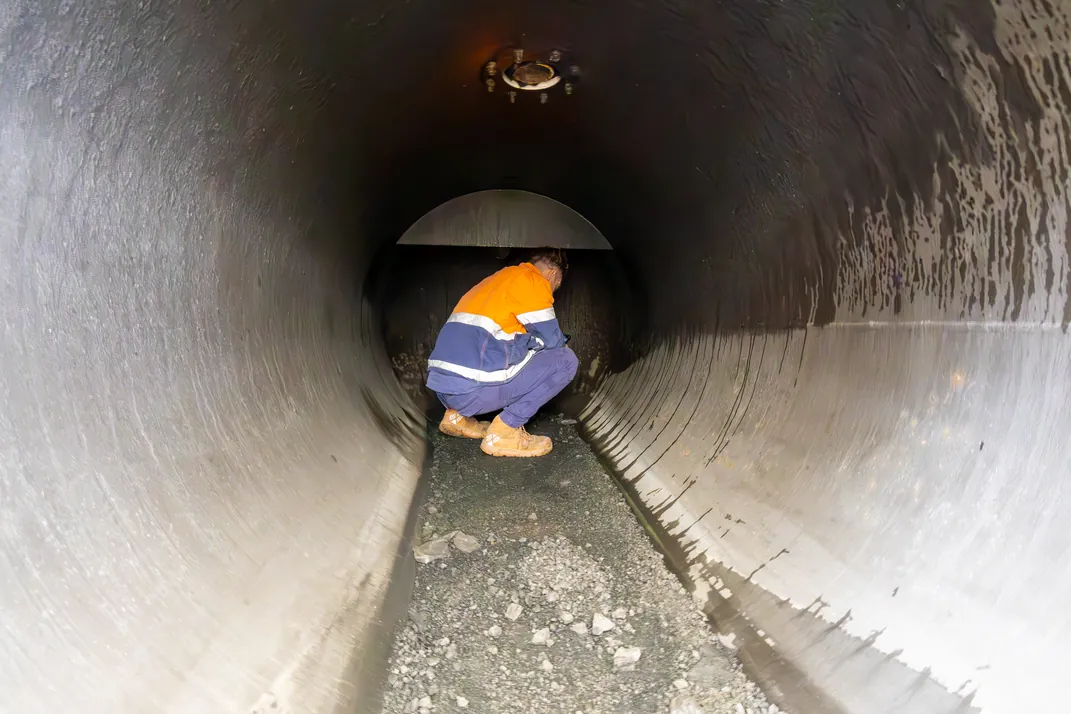
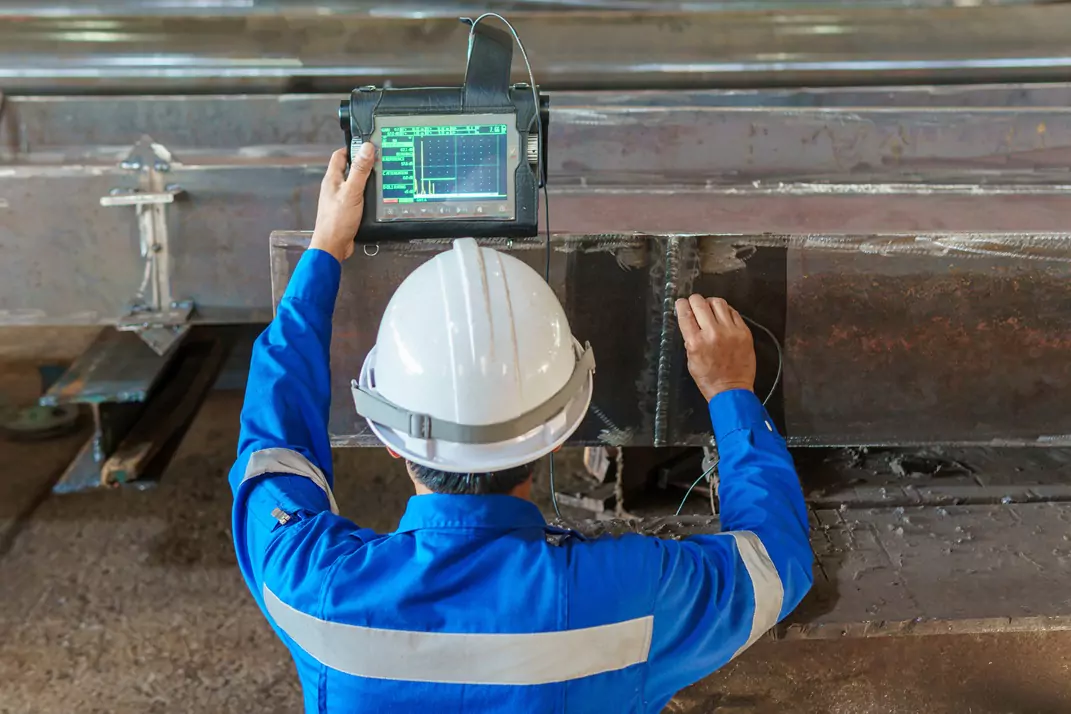
External inspection checks supports, coatings, insulation, nozzles, fittings and signs of leakage or distortion. Internal inspection, where the vessel can be opened, examines the inside surfaces for corrosion, pitting, erosion, cracking and lining condition. On-stream inspection uses non-destructive testing from the outside while the vessel stays in service, which is often how an internal inspection is deferred or replaced where the codes allow.
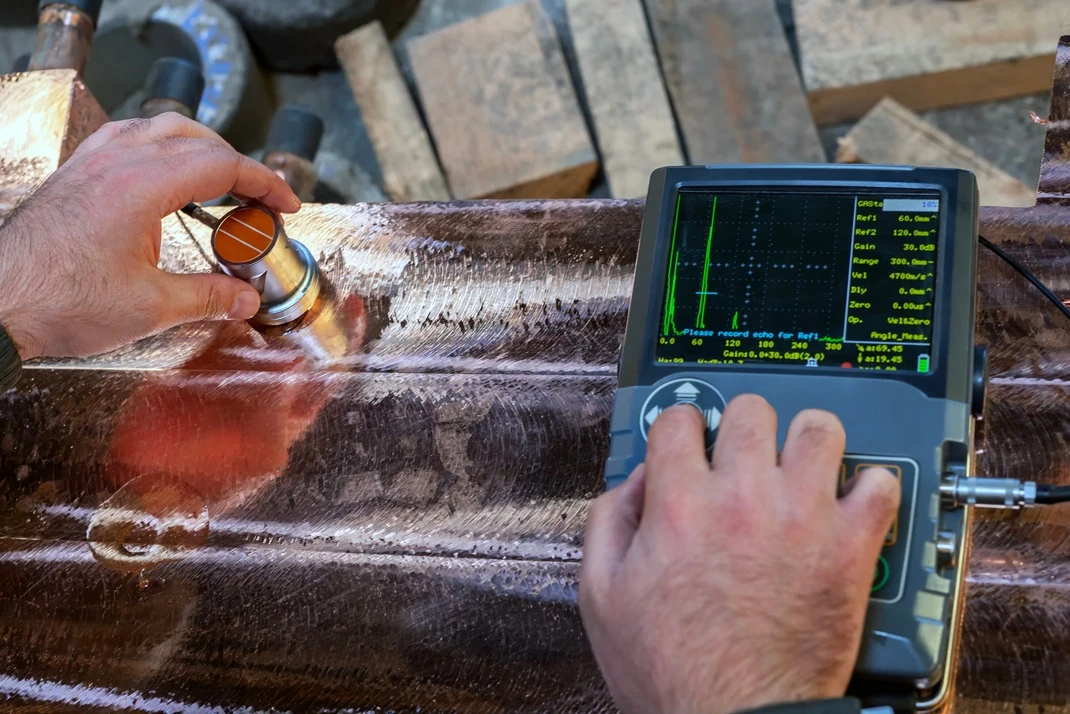
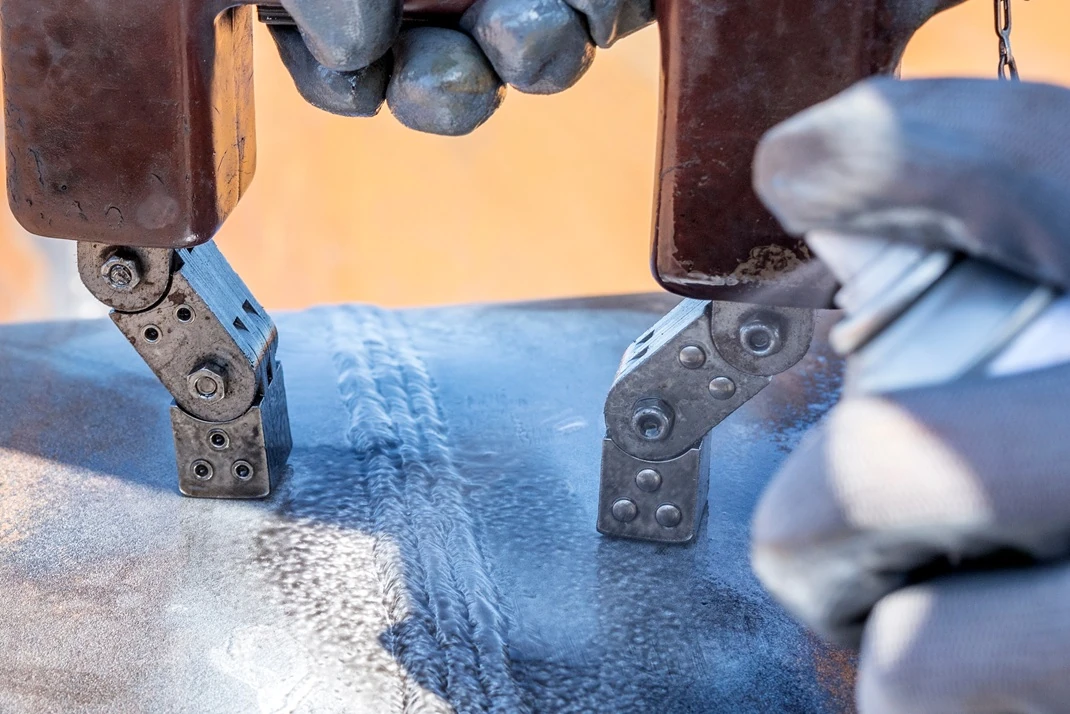
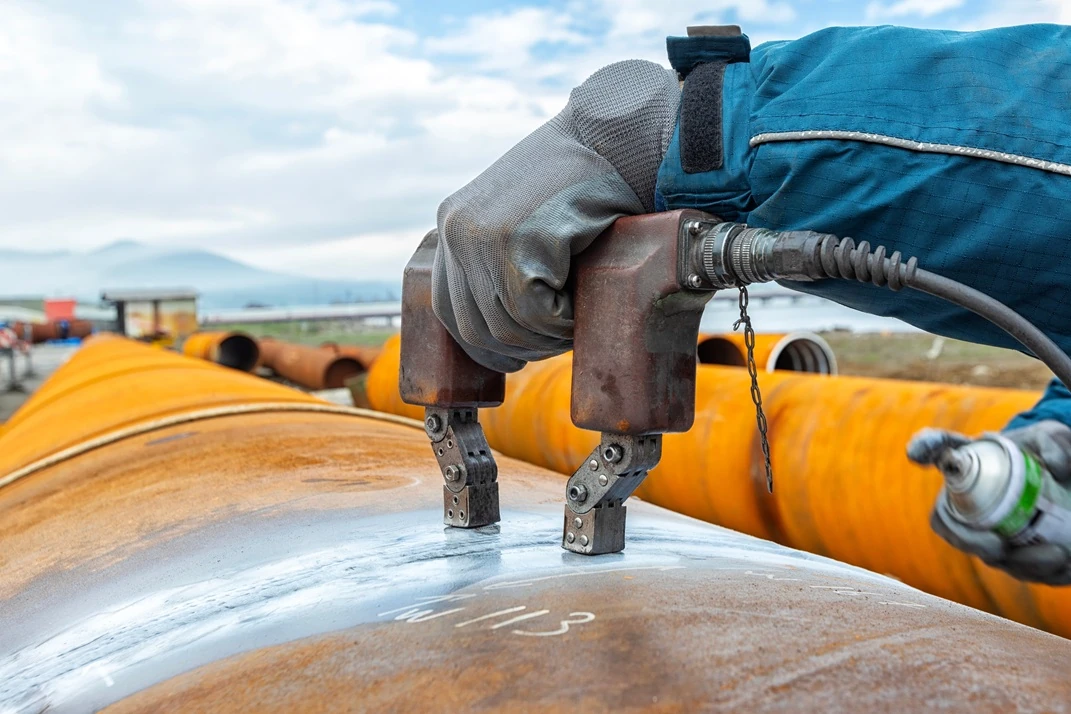
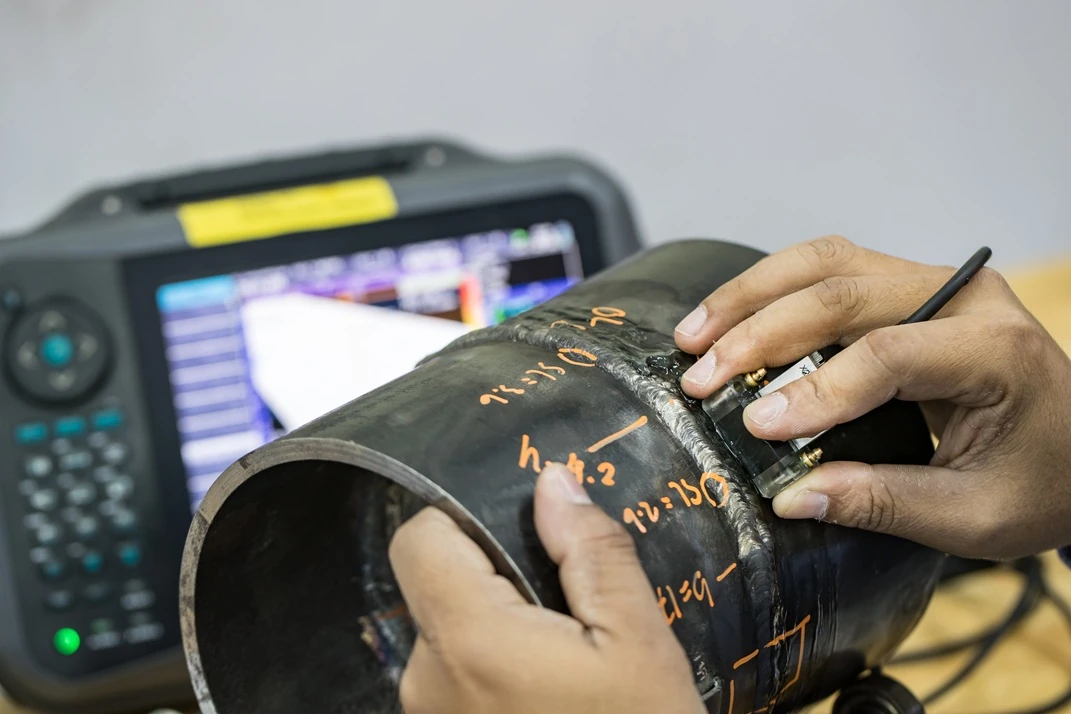
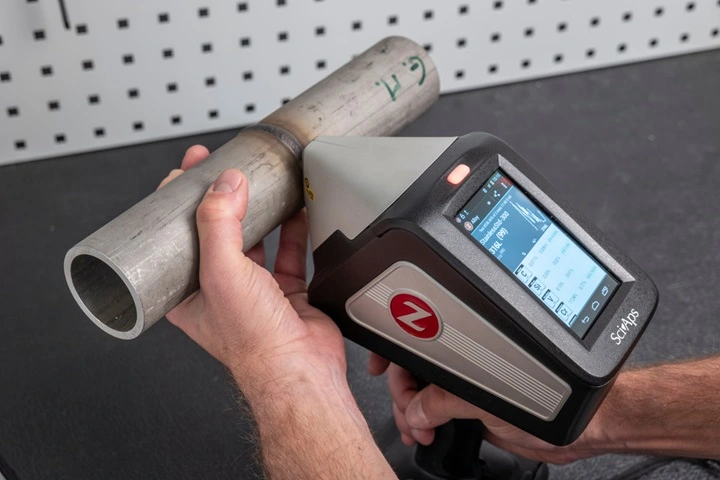
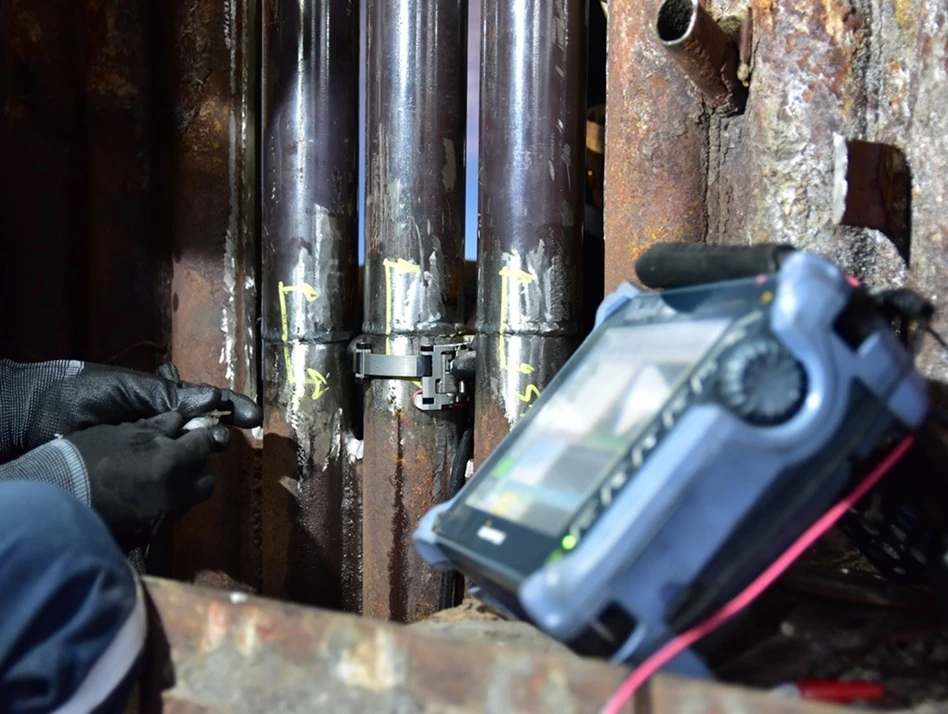
The non-destructive testing behind those inspections includes ultrasonic thickness testing, phased array ultrasonic testing for corrosion mapping and weld examination, magnetic particle inspection and penetrant testing for surface cracking, and visual inspection. For how the vessel type changes the scope, see inspection requirements by vessel type.
Using Both Codes on One Site
Many Australian oil, gas and chemical sites operate under AS/NZS 3788 while running API-style integrity programmes. That works well when it is deliberate. It causes problems when nobody has decided which code governs which decision.
State which governs. The inspection strategy should say whether intervals, defect acceptance and repairs follow AS/NZS 3788, API 510, or a documented combination, and how that satisfies your regulatory obligations.
Keep the design code in view. API 510 assumes ASME-designed vessels; many Australian vessels are built to AS 1210. Damage and repairs should be assessed against the code the vessel was designed to.
Translate terminology. API terms such as condition monitoring locations and corrosion circuits map onto AS/NZS 3788 records, but only if the mapping is written down.
Match competence to the code. If a contract calls for an API 510-certified inspector, that is a contractual requirement separate from the competence AS/NZS 3788 requires.
APEC Inspection is based in Newcastle and provides pressure vessel inspection and the non-destructive testing that produces the inspection data either code relies on. We are accredited by NATA to ISO/IEC 17025:2017, and our non-destructive testing is carried out by technicians certified to ISO 9712 through AINDT. To scope an inspection, request a quote and tell us which code and company standards your site works to.