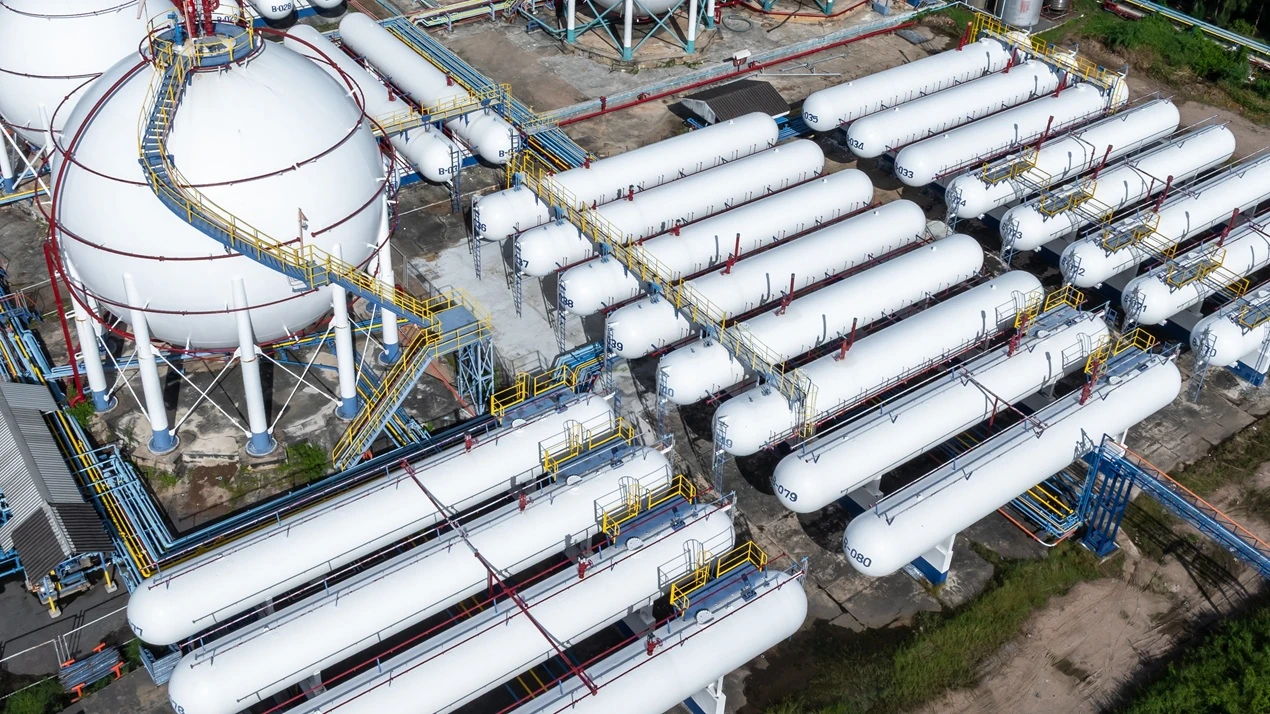
Types of Pressure Vessels Used in Australian Industry
Identify key pressure vessel types to improve safety, compliance and inspection.
About Contact UsPublished on: 10 November 2025 | Estimated reading time: 14 minutes
Table of Contents
Use the links below to jump to each section. Estimated reading time: 14 minutes.
- 1. Introduction: What is a Pressure Vessel?
- 2. How Industry Talks About Each Pressure Vessel Type
- 3. Pressure Tank: General-Purpose Pressurised Containers
- 4. Boiler: The Steam-Producing Pressure Vessel
- 5. Gas Pressure Vessel: Compressed and Liquefied Gases
- 6. Air Pressure Vessel: Air Receivers in Compressed Air Systems
- 7. Storage Vessel: Bulk Pressurised Storage
- 8. Large Pressure Vessel: Major Reactors, Columns and Bullets
- 9. Comparing the Main Pressure Vessel Types
- 10. Pressure Vessel Inspection and Testing: Where This Fits
- 11. Choosing Support for Your Pressure Vessel Fleet
- 12. Conclusion: Know Your Pressure Vessel Type Before You Plan
- 13. Frequently Asked Questions About Pressure Vessels
Introduction: What is a Pressure Vessel?
A pressure vessel is any closed container designed to hold a gas or liquid at a pressure that is significantly different from the surrounding atmosphere. In Australian industry, pressure vessels are everywhere - from air receivers in small workshops to large reactors and boilers in refineries and power stations.
Because these vessels contain stored energy, they sit under strict design, inspection and regulatory control, including Australian Standards such as AS 3788 and state-based WHS regulations. Failure can lead to leaks, explosions, fires and major downtime, so identifying exactly what kind of pressure equipment you have is the first step in managing risk and compliance.
This guide explains the main types of pressure vessel you'll see on Australian sites, using practical plant language rather than code definitions. You'll learn how to tell a pressure tank from a storage vessel, how a boiler fits into the picture, and what people mean by gas pressure vessel, air pressure vessel and large pressure vessel in day-to-day operations.
For a broader overview of how pressure vessels work and why non-destructive testing (NDT) matters, see the existing pressure vessel explainer on the APEC blog:
../Pressure-Vessel/What-are-pressure-vessels-key-insights-and-importance-of-ndt.html
How Industry Talks About Each Pressure Vessel Type
In design codes, pressure equipment is often classified by design rules, hazard level or service conditions. On site, however, people typically use simpler functional labels that reflect what the vessel actually does.
Common practical terms include:
- Pressure tank - smaller general-purpose pressurised tanks
- Boiler - generates steam or hot water under pressure
- Gas pressure vessel - holds compressed or liquefied gases
- Air pressure vessel (air receiver) - part of a compressed air system
- Storage vessel - bulk storage of pressurised fluids
- Large pressure vessel - major items like columns, reactors or big bullets
These terms cut across strict code definitions but match how supervisors, maintenance planners and operators actually refer to equipment. Understanding this informal classification helps you:
- Map assets to the right inspection and maintenance strategy
- Decide which items may need registration and higher-level control under WHS regulations
- Communicate clearly with NDT providers, insurers and regulators
For a discussion of how risk and service conditions affect inspection frequency for all kinds of pressure vessels, see:
../Pressure-Vessel/regular-inspections-for-pressure-vessels.html
Pressure Tank: General-Purpose Pressurised Containers
A pressure tank is a smaller, often simpler type of pressure vessel used for day-to-day duties rather than bulk storage or high-hazard service. It is still a pressure vessel, but typically at the lower end of size and complexity.
Typical uses of a pressure tank
You'll see pressure tanks across Australia in:
-
Building services
Cold and hot water pressure tanks to stabilise pump operation, and expansion tanks absorbing thermal expansion in closed hot water systems. -
Process water and utilities
Small industrial water tanks feeding wash systems, cooling circuits or CIP skids. -
Chemical dosing and small process duties
Pressurised feed tanks for chemicals, inhibitors, cleaning agents or additives. -
Hydraulic and pneumatic systems
Accumulators and small surge tanks balancing pressure spikes.
In these roles, the pressure tank is usually integrated into a broader system - pumps, valves and controls - rather than acting as a stand-alone storage vessel.
Pressure tank characteristics
Common traits of pressure tanks in Australian facilities include:
- Low to medium design pressure, compared with high-pressure gas cylinders or large gas bullets
- Modest volume, often a few tens to a few thousand litres
-
Simple geometry, generally:
- Horizontal or vertical cylindrical shell
- Torispherical, ellipsoidal or flat heads depending on pressure and cost
- Standard materials, such as carbon steel or stainless steel, depending on the fluid and corrosion risk
While simpler, pressure tanks are still covered by AS 3788 and WHS obligations once they exceed certain pressure-volume thresholds. They may require routine visual inspection, wall thickness checks and sometimes hydrostatic testing after modification or repair.
For a practical overview of pressure vessel inspection expectations and NDT methods (ultrasonic testing, magnetic particle inspection, hydrostatic testing), see:
../Pressure-Vessel/What-are-pressure-vessels-key-insights-and-importance-of-ndt.html
Boiler: The Steam-Producing Pressure Vessel
A boiler is a specialised pressure vessel used to generate steam or high-temperature water. In Australia, boilers are tightly regulated because a steam or hot-water overpressure event can be catastrophic.
What makes a boiler different?
A boiler is distinct from a simple pressure tank because it:
- Adds heat continuously - usually via gas, oil, biomass, electricity or waste heat
- Changes phase - turning water into steam at pressure
- Operates with complex interactions between pressure, temperature, water quality and flow
- Often works in a continuous duty cycle, feeding turbines, process heaters or building services
From a plant owner's perspective, if the pressure vessel's primary job is to make steam, you are dealing with a boiler, not just a generic pressure tank.
Common boiler types in Australian plants
-
Fire-tube boilers
Hot gases flow through tubes within a shell of water. Common in smaller industrial steam services and building heating. -
Water-tube boilers
Water inside tubes with combustion gases outside. Suited to high pressure and large steam outputs, such as power generation and heavy industry. -
Electric boilers
Use electrical elements rather than flames, often where emissions or flue installations are constrained.
Boilers fall squarely into the pressure vessel category and must comply with design and inspection standards. In practice they demand stricter regimes than many other pressure tanks, including regular internal and external inspection, checks on drums, tubes, ligaments and welded seams, functional testing of safety valves and controls, and hydrostatic pressure tests after fabrication or significant repair.
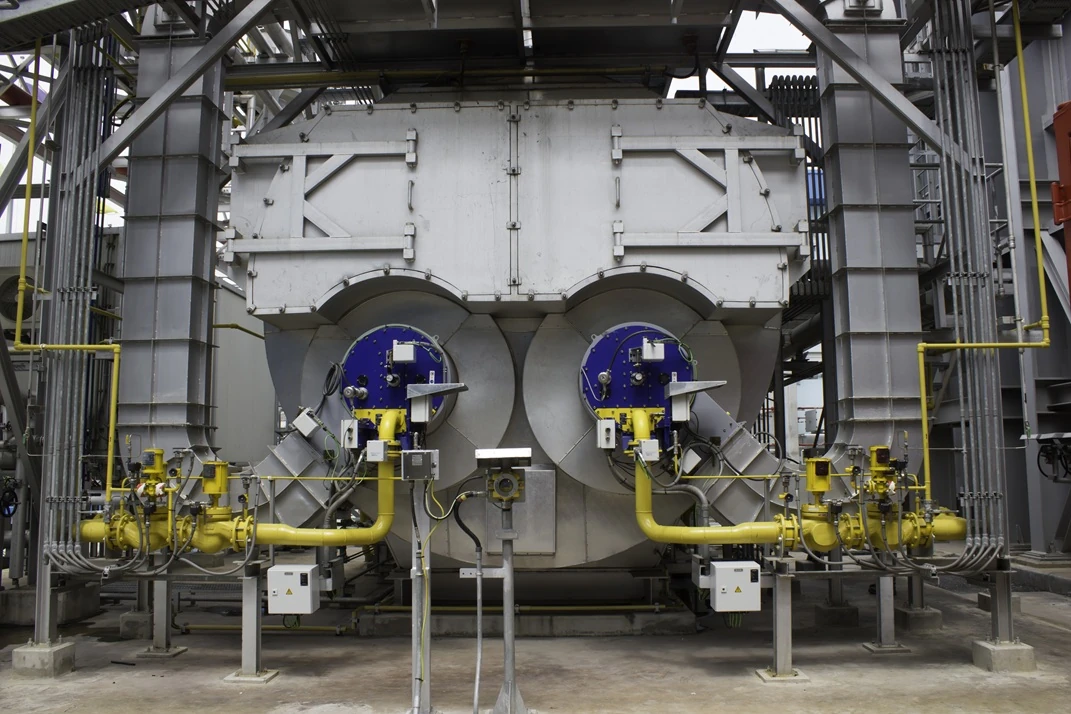
For broader discussions on boiler-type equipment as pressure vessels and the role of NDT (including hydrostatic testing), refer to APEC's pressure vessel and hydrostatic testing pages:
../Pressure-Vessel/What-are-pressure-vessels-key-insights-and-importance-of-ndt.html
https://www.apecinspect.com.au
Gas Pressure Vessel: Containing Compressed and Liquefied Gases
A gas pressure vessel stores gases under significant internal pressure, either as compressed gas or at least partially liquefied. These vessels are widely used in Australian oil and gas, hydrogen, chemical, power and industrial gas sectors.
Typical gas pressure vessel applications
-
LPG bullets and spheres
Liquefied petroleum gas (propane, butane) storage at terminals, refineries and distribution depots. -
LNG and cryogenic vessels
Liquefied natural gas stored at very low temperatures and moderate pressures. -
Industrial gas storage
Hydrogen, nitrogen, oxygen, argon and CO₂ vessels at plants and distribution hubs. -
Process gas receivers and surge vessels
Buffers for compressor discharge, flare systems and process loops.
Many of these items are high-hazard pressure vessels because their contents are flammable, explosive, toxic or asphyxiating.
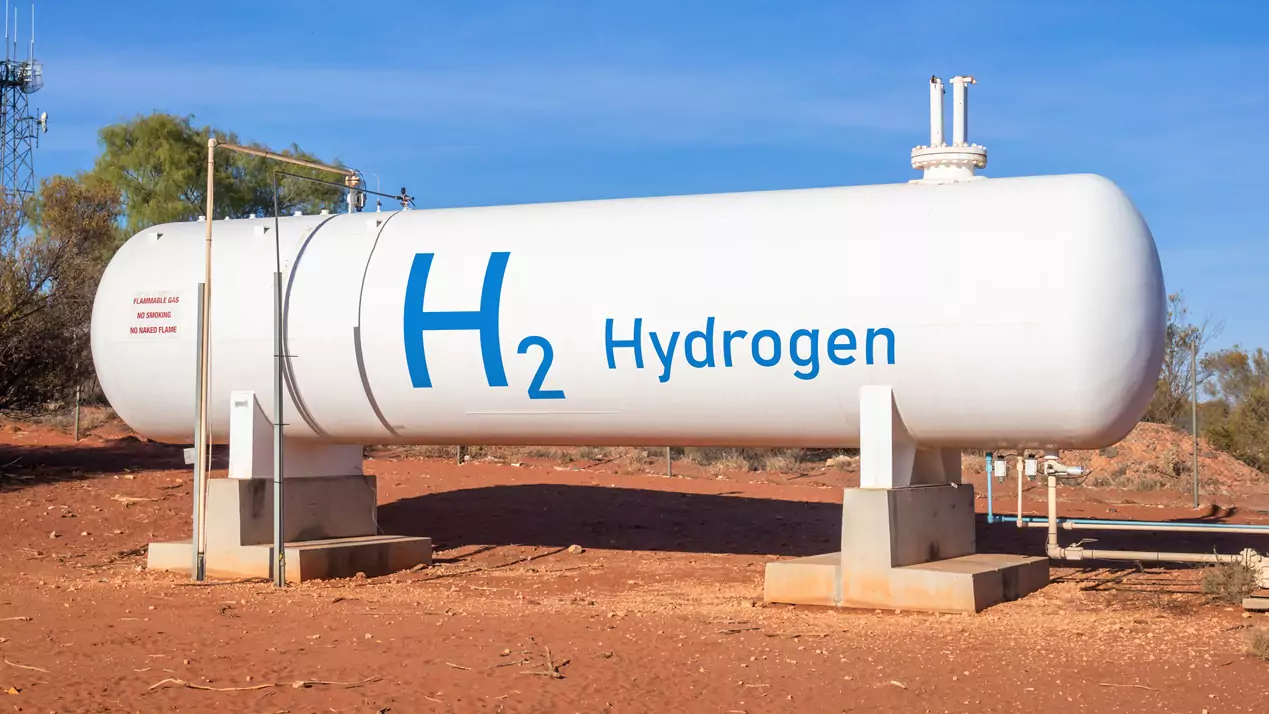
Features of a gas pressure vessel
Gas pressure vessels tend to share several characteristics:
- Higher design pressures than many liquid or air systems
- Thicker walls and carefully designed heads to manage hoop stress
- Relief systems, including safety valves and possible bursting discs
- Materials selected for toughness (especially at low temperature), hydrogen effects or specific corrosion threats
- Shapes ranging from horizontal cylinders (“bullets”) to spherical tanks for large-volume gas storage
The uniform stress distribution in spherical pressure vessels makes them efficient for large gas storage, although they are expensive to fabricate. Cylindrical bullets remain more common because they are easier and cheaper to build and support.
Because of the stored energy and hazardous contents, gas pressure vessels demand comprehensive inspection and testing programs, including visual and ultrasonic thickness inspections, non-destructive testing (NDT) of welds such as magnetic particle inspection and ultrasonic testing, and hydrostatic proof tests for new or heavily repaired vessels.
For insight into how inspection and NDT protect high-risk pressure vessels, see the risk-focused article:
../Pressure-Vessel/risks-associated-with-pressure-vessels.html
Air Pressure Vessel: Air Receivers in Compressed Air Systems
An air pressure vessel, usually called an air receiver, is designed specifically to hold compressed air. Almost every Australian factory, workshop, mine site or processing plant with compressed air has at least one air receiver.
Role of an air pressure vessel
Key functions of an air receiver include:
- Buffering compressor output to smooth pressure fluctuations
- Providing short-term storage for demand peaks
- Allowing condensate (water, oil) to drop out of the air stream
- Helping protect downstream equipment from surges
While compressed air is not flammable, it stores a large amount of energy. A rupture can turn the air receiver into a projectile or cause catastrophic panel failure, so an air pressure vessel is still treated as a significant piece of pressure equipment under WHS regulations.
Where you'll find air receivers
- Workshop air systems in manufacturing, automotive and fabrication
- Air receivers on mobile plant, mining equipment and drilling rigs
- Plant-wide compressed air systems in food and beverage, packaging, construction and infrastructure
- Instrument air systems in refineries, chemical plants and power stations
Air pressure vessels are usually horizontal or vertical cylinders with dished or ellipsoidal heads, fitted with pressure gauges, safety relief valves, drains and often inspection openings. They are designed to AS/NZS requirements for compressed air service and subject to in-service inspection intervals.
Because of the prevalence of air receivers, regular inspections for pressure vessels often focus on them as a priority item, looking for internal corrosion from trapped water, external corrosion on saddles, supports and under insulation or lagging, and blocked drains or faulty safety valves.
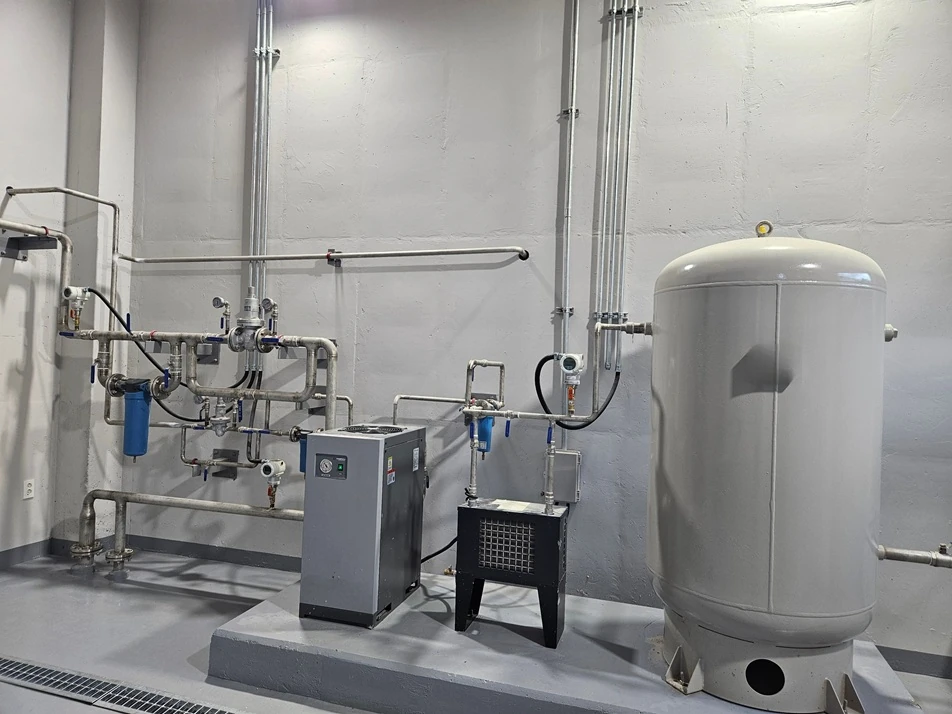
An overview of typical inspection intervals and drivers (regulatory requirements, service conditions, history) is outlined here:
../Pressure-Vessel/regular-inspections-for-pressure-vessels.html
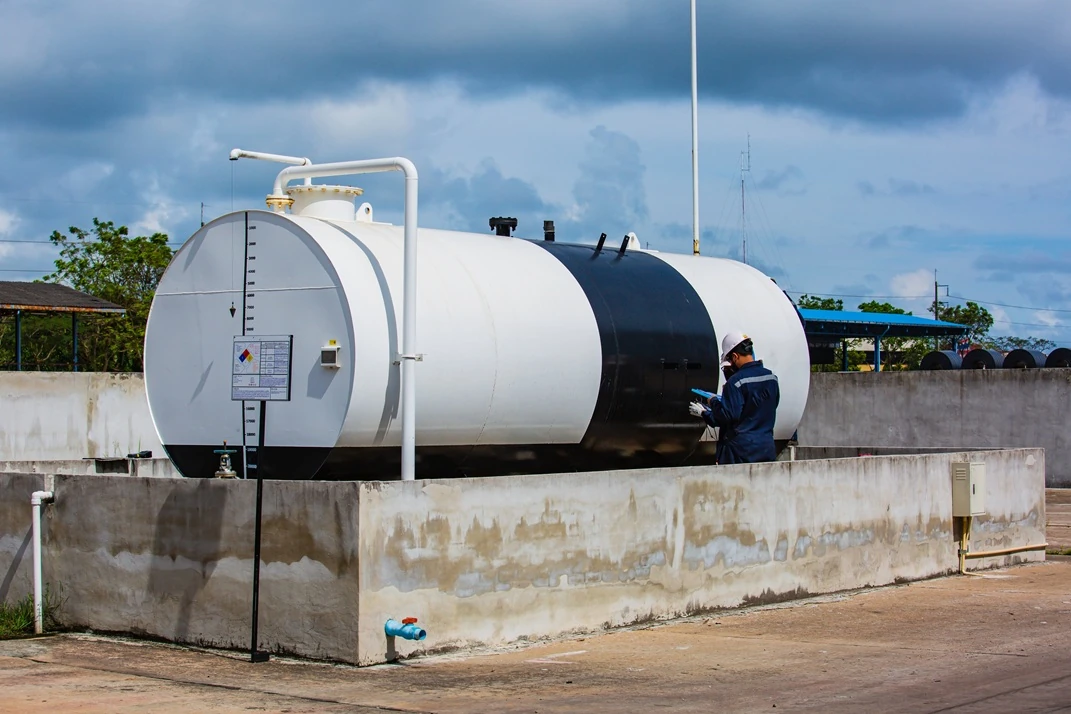
Storage Vessel: Bulk Pressurised Storage
A storage vessel is a pressure vessel whose primary role is long-term storage of liquids or gases under pressure, rather than short-term buffering or active processing.
While the term “storage tank” can include atmospheric tanks, in a pressure context we're talking about vessels that operate above atmospheric pressure, are designed to pressure vessel standards and typically contain bulk quantities of hazardous or strategic products.
Storage vessel vs pressure tank
In everyday Australian plant language:
- A pressure tank is often smaller and integrated into a process or utility system.
- A storage vessel usually holds bulk inventory and sits at the heart of a supply chain - for example, LPG storage at a terminal, CO₂ for a beverage plant, or bulk refrigerant at a cold-storage facility.
Typical storage vessel services
- LPG bullets at fuel depots
- CO₂ storage vessels for food, beverage and water treatment
- Refrigerant storage in cold-chain logistics and facilities
- Ammonia storage for fertiliser plants or refrigeration
- Hydrogen storage vessels in emerging clean-energy applications
These storage vessels are clearly pressure vessels and, depending on contents and size, can fall into high hazard categories under AS 4343 and WHS regulations.
Typical attributes include medium to large volume; moderate to high pressure depending on fluid and temperature; cylindrical horizontal bullets or vertical tanks; and often external insulation, which complicates inspection for corrosion under insulation (CUI).
Because they spend long periods in static service, the main threats to a storage vessel are corrosion, settlement, thermal cycles and external events.
To understand how risk, operating conditions and history drive inspection intervals for such vessels, see:
../Pressure-Vessel/regular-inspections-for-pressure-vessels.html
Large Pressure Vessel: Major Reactors, Columns and Bullets
A large pressure vessel is not a formal code term but a practical way to describe major pressure equipment where size, complexity and consequence of failure are all high.
These vessels often dominate a plant layout and include:
- Tall distillation columns and fractionation towers
- Large reactor vessels for chemical or petrochemical processing
- Big heat exchanger shells under significant internal pressure
- Large-capacity gas bullets or spheres for LPG, LNG or other gases
Why size and complexity matter
Large pressure vessels introduce unique challenges:
-
Access for inspection
Internal structures such as trays, packing, baffles and agitators; confined space entry requirements; scaffolding or rope access. -
Structural loading
Wind loads, seismic considerations, nozzle loads, support skirts or saddles. -
Inspection logistics
Outage planning, coordination across multiple disciplines and management of risk during entry and testing.
Although the failure mechanisms - corrosion, cracking, fatigue and overpressure - are similar to those for smaller vessels, the consequence is far higher. That's why large pressure vessels often sit under detailed risk-based inspection (RBI) programs, attract closer regulatory and insurer scrutiny and require more advanced NDT methods such as phased array ultrasonic testing (PAUT), thermography or drone inspection.
APEC's service descriptions show how these large assets are typically supported with integrated NDT such as PAUT, magnetic particle inspection, hydrostatic testing, drone inspection and visual inspection:
https://www.apecinspect.com.au
Comparing the Main Pressure Vessel Types
When you're building an asset register or planning inspection across your plant, it helps to quickly classify each pressure vessel into a practical category.
High-level comparison
-
Pressure tank
Smaller, system-integrated vessel; low to medium pressure; water, chemicals and process fluids; common in utilities, building services and small process skids. -
Boiler
Generates steam or hot water under pressure; combines elevated temperature and pressure; operates with combustion or electric heating; high consequence if controls fail. -
Gas pressure vessel
Holds compressed or liquefied gases such as LPG, LNG, hydrogen, nitrogen or oxygen; high internal pressure and often hazardous contents; includes bullets, spheres, cylinders and process gas receivers. -
Air pressure vessel / air receiver
Dedicated to compressed air; part of a compressor system; seen in workshops, plants, mining and construction. -
Storage vessel
Bulk pressurised storage of liquids or gases; central to supply chains and production continuity; usually medium to large volume, possibly insulated. -
Large pressure vessel
Any vessel where scale, complexity and consequence are high; includes tall columns, reactors and large bullets or spheres; typically subject to formal risk-based inspection.
Each category points to different operating risks, inspection challenges and regulatory expectations. For a deeper look at how risk is assessed and managed for pressure vessels, refer to:
../Pressure-Vessel/risks-associated-with-pressure-vessels.html
Pressure Vessel Inspection and Testing: Where This Fits
While this article focuses on types of pressure vessel, every pressure tank, boiler, gas vessel, air receiver, storage vessel and large pressure vessel ultimately needs a suitable inspection and testing regime.
Typical activities include:
- Visual inspection - internal and external
- Non-destructive testing (NDT) - ultrasonic inspection, magnetic particle inspection, dye penetrant testing, eddy current testing, phased array ultrasonic testing
- Hydrostatic testing - proof tests after manufacture, alteration or repair
- In-service inspections - tied to Australian Standards like AS 3788 and AS/NZS 1171 and state WHS regulations
Existing APEC resources already cover these topics in depth:
-
General pressure vessel overview and NDT methods:
../Pressure-Vessel/What-are-pressure-vessels-key-insights-and-importance-of-ndt.html -
Inspection frequency and planning:
../Pressure-Vessel/regular-inspections-for-pressure-vessels.html -
Risk and failure modes for pressure vessels:
../Pressure-Vessel/risks-associated-with-pressure-vessels.html
For site-specific guidance in regions like Sydney and Newcastle, you can also see how pressure vessel inspection, hydrostatic testing and NDT tie into SafeWork NSW requirements:
../../sydney.html
Choosing Support for Your Pressure Vessel Fleet
Once you've classified your assets - pressure tank, boiler, gas pressure vessel, air pressure vessel, storage vessel and large pressure vessel - the next step is to align them with the right inspection and testing program.
When selecting an inspection partner in Australia, look for:
- NATA accreditation (ISO/IEC 17025) for relevant NDT methods
- AINDT / ISO 9712 certified technicians experienced with your type of pressure vessel
- Familiarity with AS 3788, AS 4343 and applicable state WHS regulations
- Ability to deliver multiple methods - e.g. ultrasonic inspection, magnetic particle inspection, hydrostatic testing - through a single provider
- Experience across sectors such as mining, manufacturing, hydrogen plants, power generation, oil and gas, marine and infrastructure
APEC Inspection outlines this integrated capability - covering pressure vessel inspection, hydrostatic testing, ultrasonic inspection, magnetic particle inspection, visual inspection and more - here:
https://www.apecinspect.com.au
Conclusion: Know Your Pressure Vessel Type Before You Plan
Across Australian industry, the term pressure vessel covers a wide range of equipment. Using clear, practical labels - pressure tank, boiler, gas pressure vessel, air pressure vessel, storage vessel and large pressure vessel - helps you:
- Understand each vessel's function and risk profile
- Communicate clearly with regulators, insurers and NDT technicians
- Build a meaningful asset register and inspection plan
- Prioritise high-consequence vessels for closer control
Once you know which type of pressure equipment you're dealing with, you can apply the right combination of inspection frequency, non-destructive testing and maintenance.
For detailed guidance on inspection methods, risk and compliance obligations for pressure vessels of every type, use these as your next reference points:
-
Pressure vessel basics and key NDT methods:
../Pressure-Vessel/What-are-pressure-vessels-key-insights-and-importance-of-ndt.html -
Regular inspection intervals and planning:
../Pressure-Vessel/regular-inspections-for-pressure-vessels.html -
Understanding and managing risks in pressure vessels:
../Pressure-Vessel/risks-associated-with-pressure-vessels.html
If you're unsure how to classify a particular pressure vessel on your site, or how that classification affects inspection and testing requirements, engaging a qualified third-party inspection provider is the safest next step.
Comprehensive NDT Solutions: The APEC Inspect Advantage
APEC Inspect offers a complete range of NDT and inspection services, each complementing the others to provide comprehensive asset integrity solutions. Our Newcastle-based team brings decades of combined experience across all major industries in New South Wales and beyond.
Why Choose APEC Inspect?
- Comprehensive Expertise: From basic visual inspection to advanced PAUT, we offer the full spectrum of NDT services.
- Australian Standards: All our work complies with relevant Australian standards and international codes.
- Certified Personnel: Our team maintains current certification across all inspection methods.
- Modern Equipment: We continuously invest in the latest NDT technology.
- Customer Focus: We understand that each client's needs are unique and tailor our services accordingly.
Industry Coverage
We serve multiple sectors including:
- Mining and Resources
- Manufacturing
- Hydrogen Plants
- Power Generation
- Oil and Gas
- Marine
- Construction
- Infrastructure
Contact Us
For more information about any of our services or to discuss your specific inspection needs, contact our Newcastle office. Our technical team is ready to develop a comprehensive inspection program tailored to your requirements.
Recent Posts













© apecinspect.com.au. All Rights Reserved. Designed by Peritus Digital