Why Inspection Makes or Breaks a Shutdown
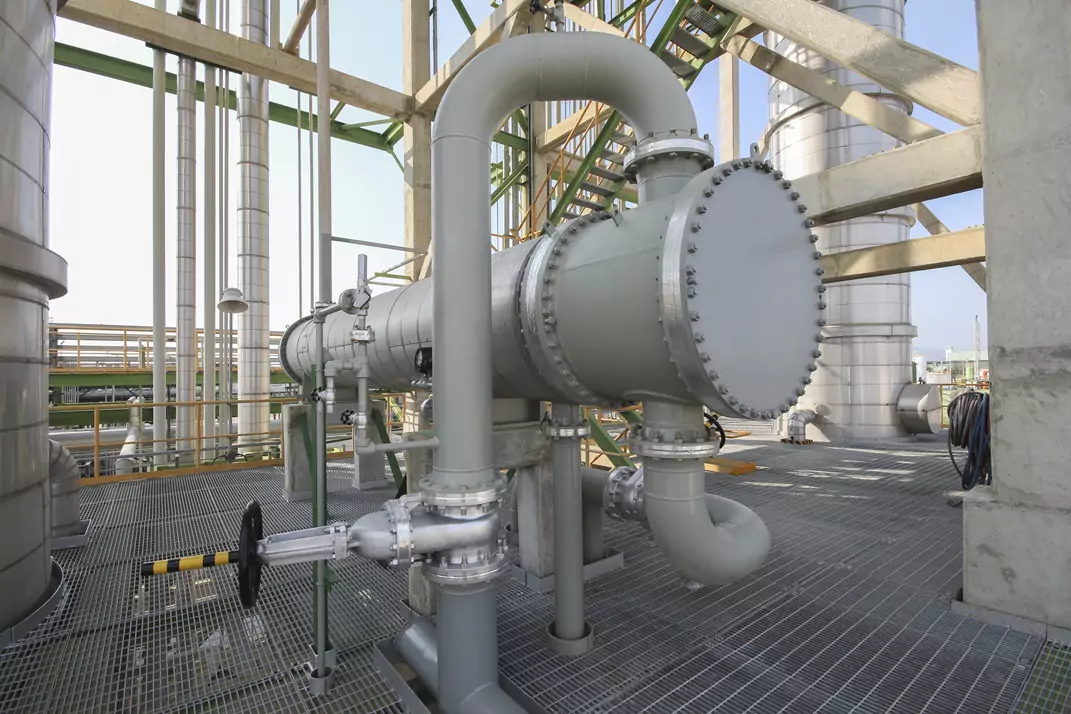
A shutdown is the only time much of a plant's equipment can be opened, entered and examined. Pressure vessels, heat exchangers, tanks, boilers, piping and structures that are inaccessible in service all become available at once, and the inspection findings decide how much repair work the outage will need.
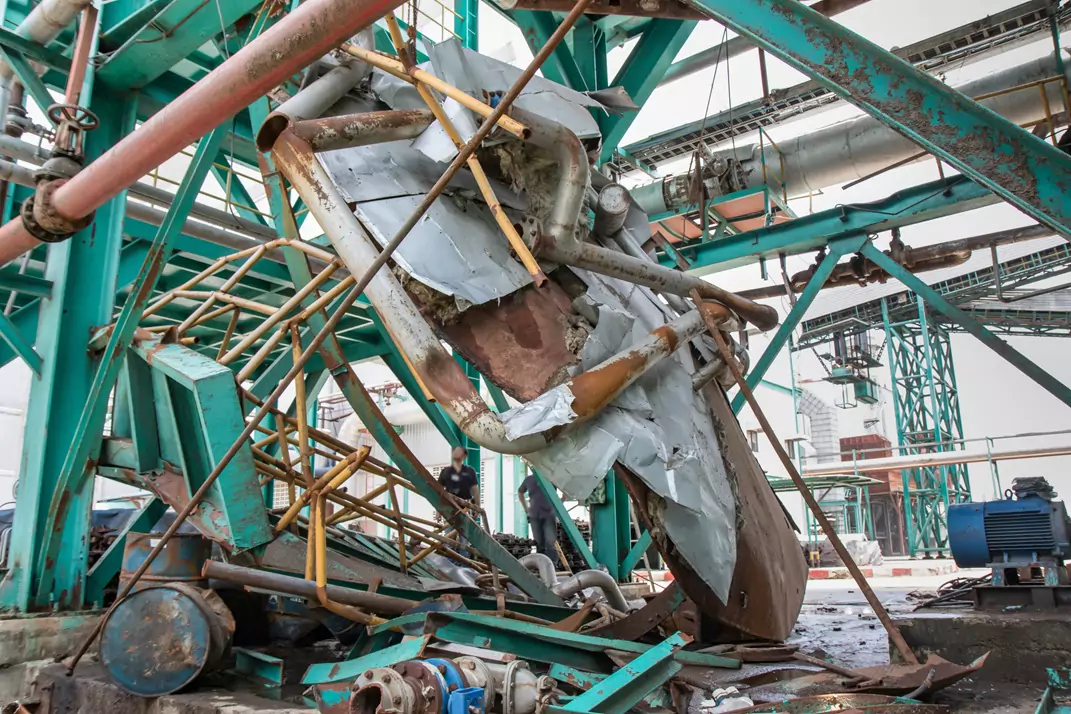
That makes inspection both an early task and a critical-path task. Findings in the first days of a shutdown drive the repair scope for the rest of it. If inspection starts late, runs short of access, or produces findings that were not allowed for, the whole outage slips.
This checklist sets out how to plan inspection into shutdown maintenance so that the findings arrive early, the repairs can be resourced, and the plant restarts with a proper record of its condition.
1. Set the Inspection Scope Early
The scope should be set while the shutdown is being planned, not after the dates are fixed. Start from what is already known:
Due dates. Which items have statutory or programme inspections falling due, such as pressure equipment under AS/NZS 3788.
Previous findings. Defects that were recorded for monitoring, repairs that need follow-up, and corrosion rates that suggest an area is approaching its limit.
Damage mechanisms. For each item, what can actually go wrong in its service: corrosion, erosion, fatigue cracking, creep, corrosion under insulation. The mechanism determines the method.
Operating history. Upsets, excursions and anything operators have reported since the last outage.
A scope built this way directs inspection effort where the risk is, instead of spreading it evenly across everything that happens to be open.
2. Match the NDT Method to the Damage Mechanism
Each NDT method answers a particular question, and choosing the wrong one gives a clean report on a problem that was never looked for.
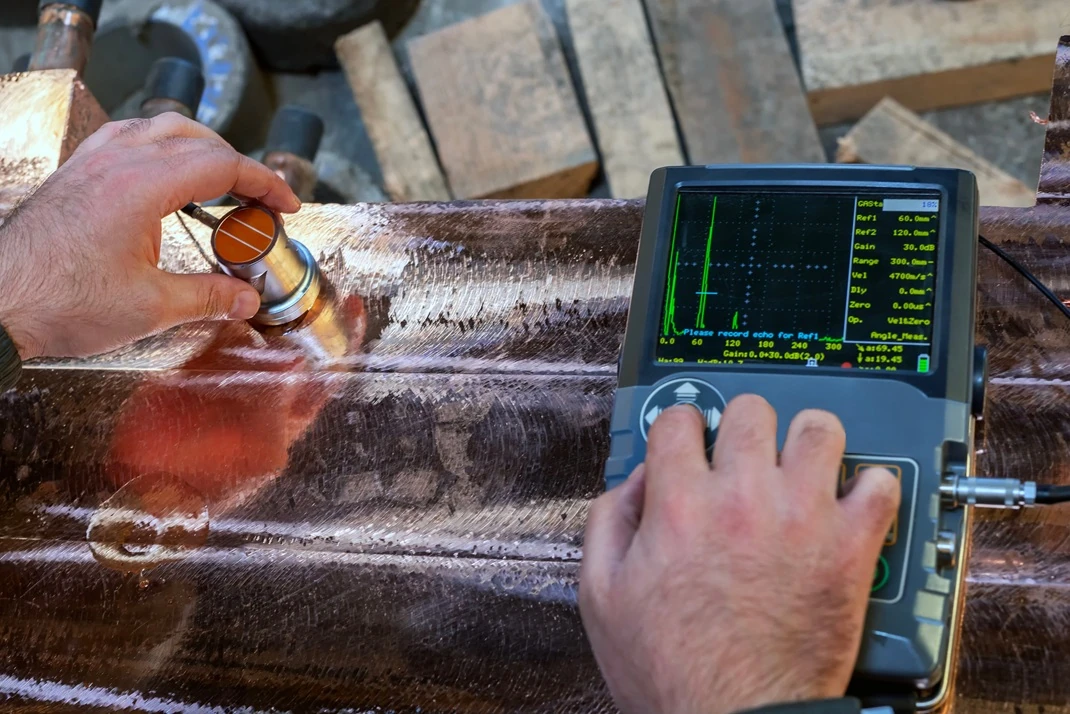
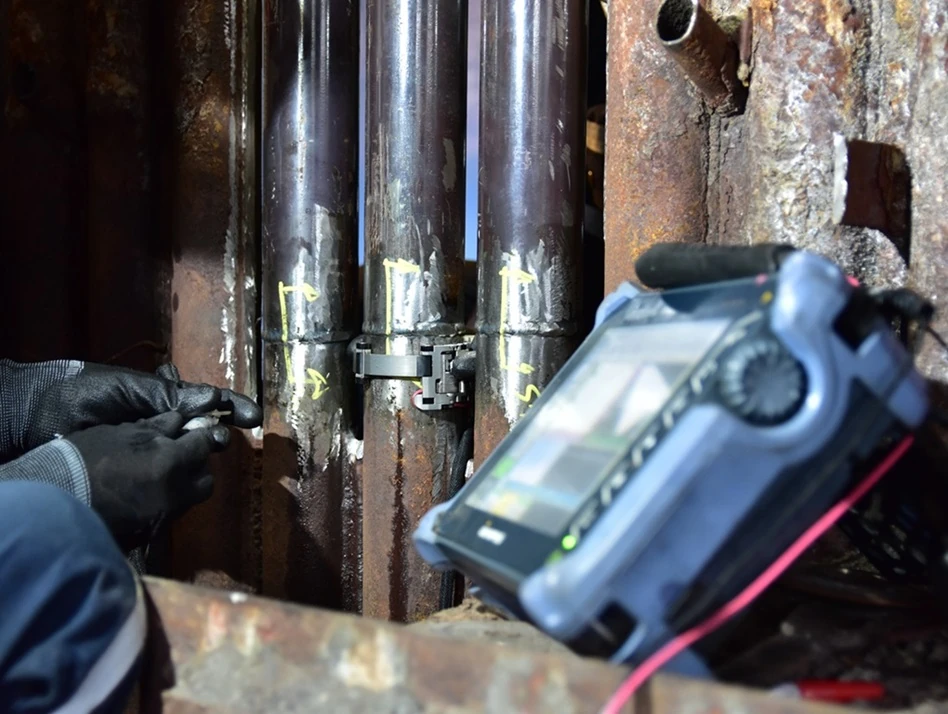
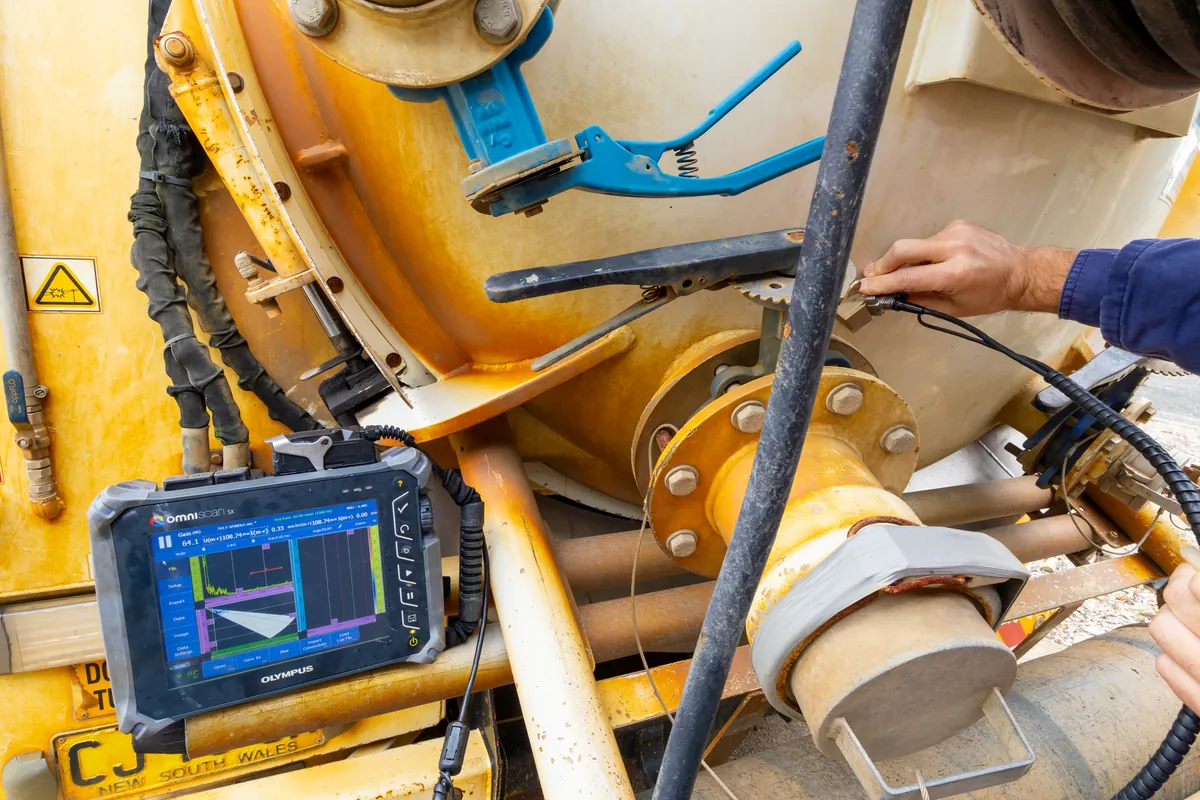
Wall loss from corrosion or erosion: ultrasonic thickness testing, on a grid where general loss is expected and with close scanning where it is localised.
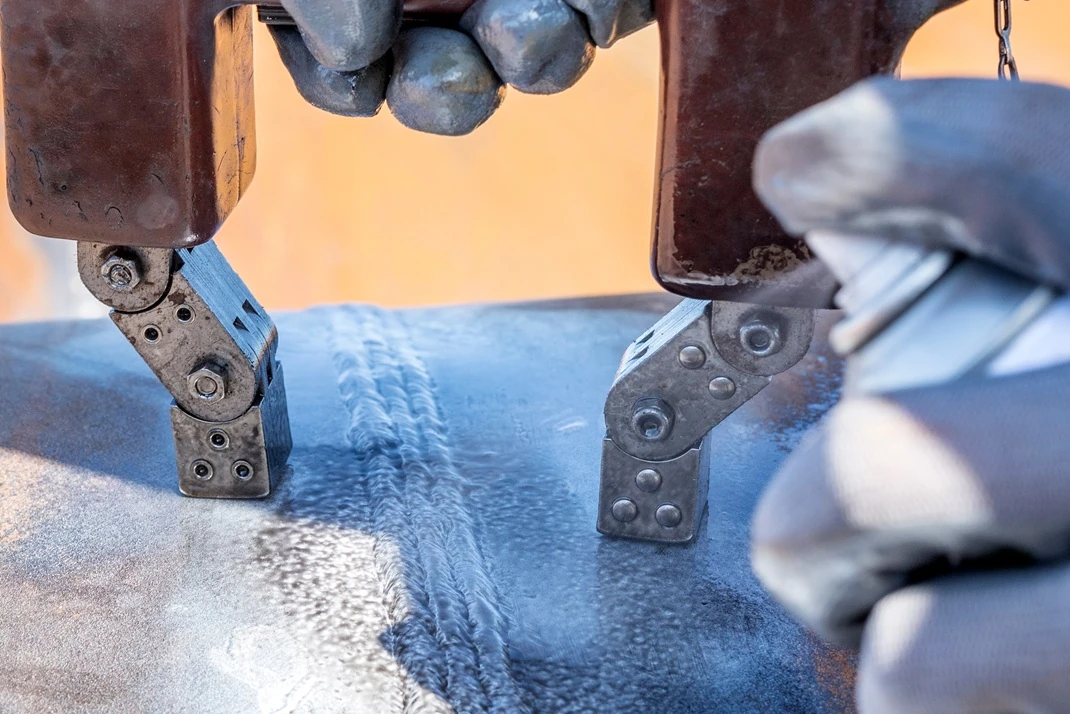
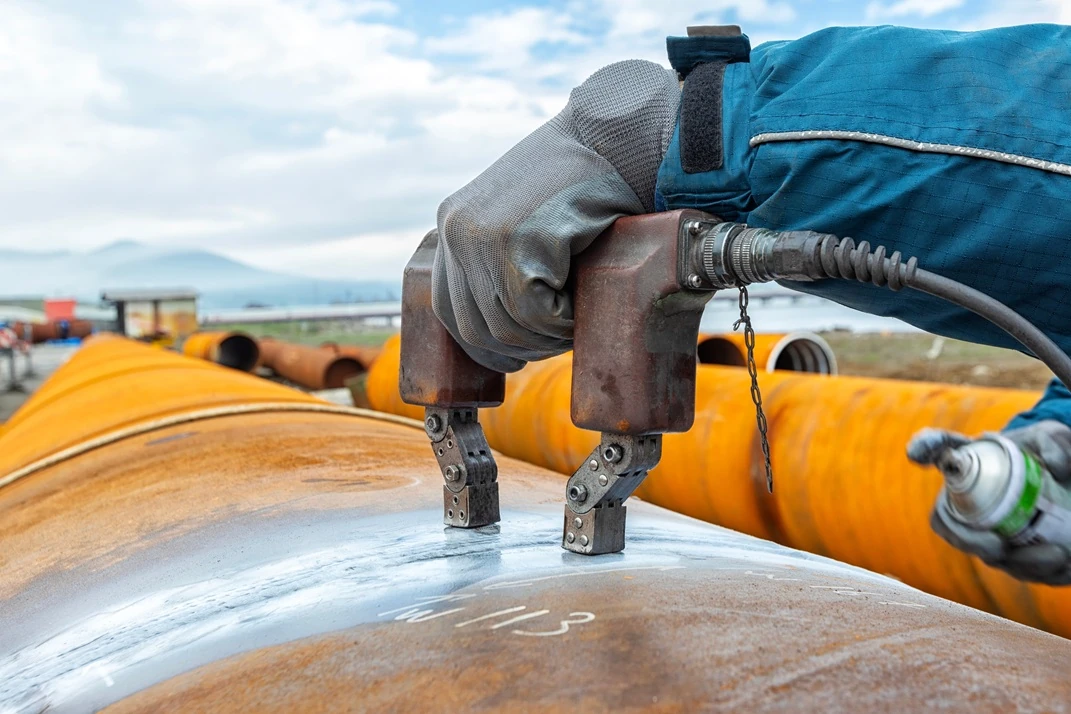
Surface cracking at welds and nozzles: magnetic particle inspection on ferritic steel, dye penetrant testing on stainless and non-ferrous materials.
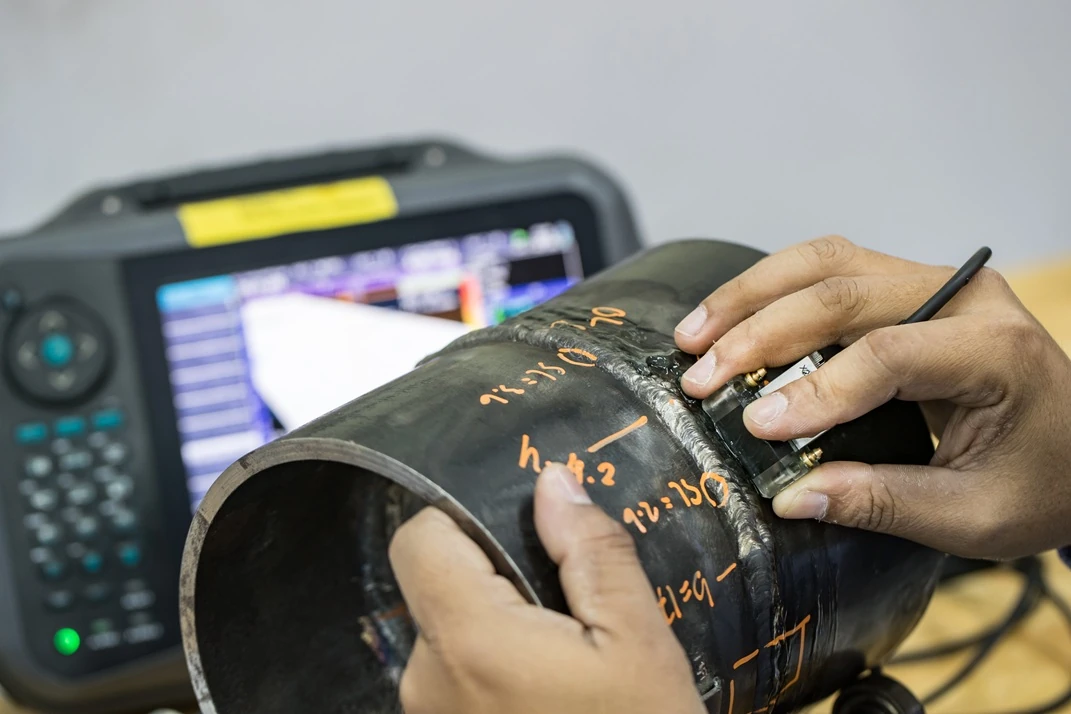
Weld volume and embedded defects: phased array ultrasonic testing.
Heat exchanger tubes: eddy current testing for wall loss and cracking from the tube bore.
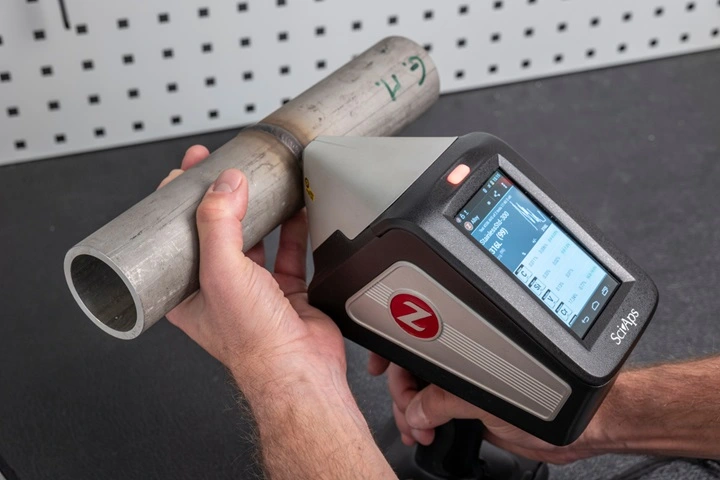
Material verification on replacement parts: positive material identification, so the wrong alloy is caught before it goes into service.
Hardness after welding or heat exposure: hardness testing.
Tank floors and shells: covered by the storage tank inspection scope.
3. Plan Access and Surface Preparation
Access and surface preparation use more shutdown time than the inspection itself, and they are the most common cause of inspection delays.
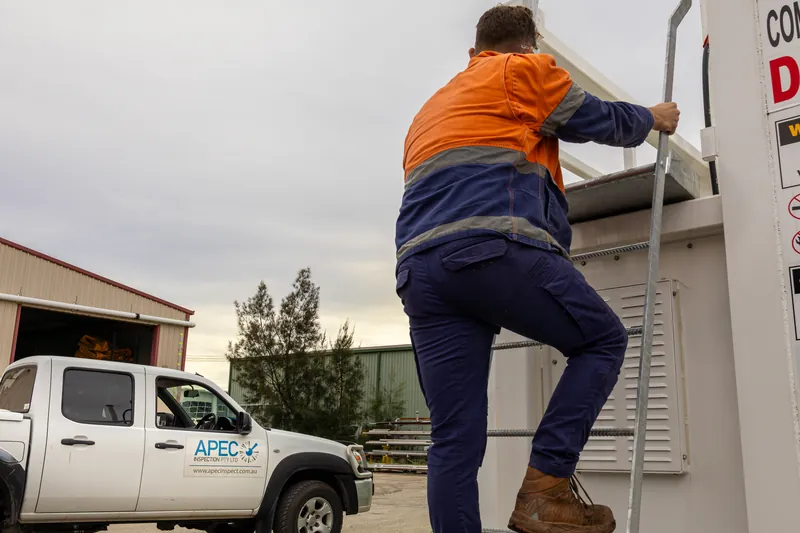
For each inspection item, confirm how the inspector will reach it: scaffolding, elevated work platforms, rope access or confined space entry. Confirm who removes and reinstates insulation at the inspection points. And confirm how surfaces will be prepared: cleaning, grit blasting or grinding at weld toes, since coatings, scale and product residue all reduce NDT sensitivity.
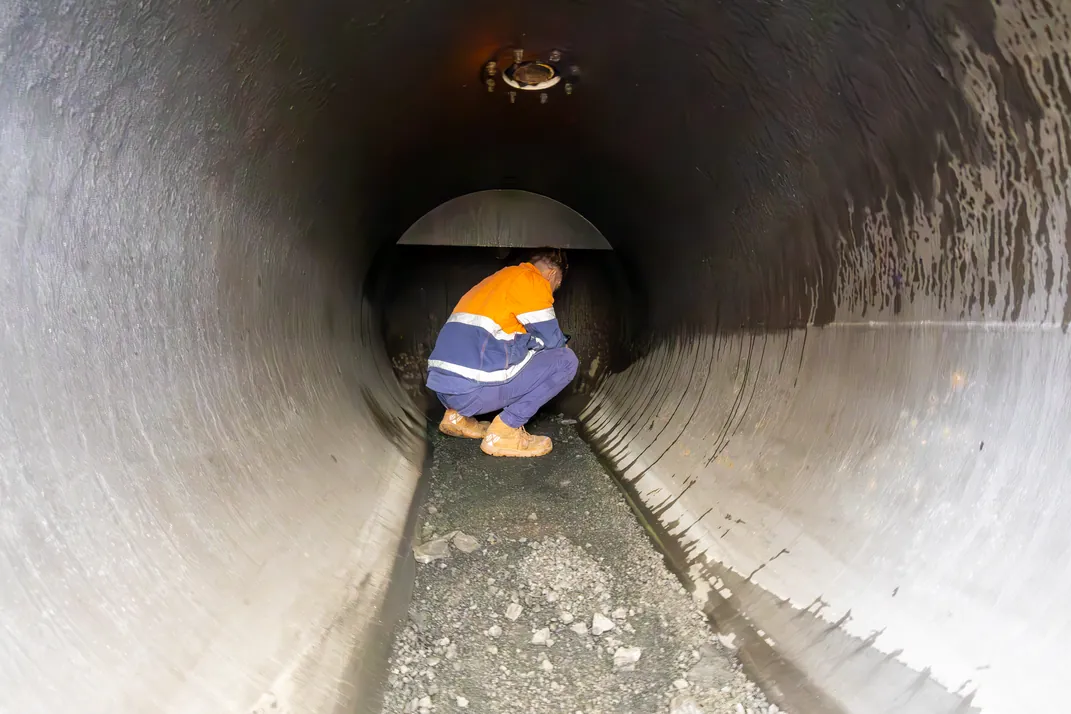
Vessels and tanks planned for internal inspection need to be drained, cleaned, gas-freed and certified for entry before inspectors can start. Put those steps in the schedule as their own activities with their own durations, not as assumptions buried inside the inspection line.
4. Sequence Inspection at the Front
Put inspection as close to the start of the outage as the preparation allows. Early findings leave time to engineer and resource repairs. Findings on the second-last day do not.
Where the work is large, sequence the items with the most uncertain outcome first: the equipment with the longest gap since its last inspection, the highest recorded corrosion rates, or known defects under monitoring. Items with a predictable outcome can follow.
Agree how findings will be reported during the shutdown. A daily findings summary, with defects ranked by significance, lets the maintenance team start planning repairs before the formal report is issued.
5. Allow for Emergent Work
Every shutdown finds something that was not in the plan. The question is whether the plan leaves room for it.
Set aside contingency for repair work that inspection may uncover, and decide in advance who can approve emergent scope and how quickly. Have weld procedures, materials and repair contractors identified for the likely repair types, so a finding leads to a repair rather than a hunt for resources.
Every emergent repair also creates inspection work of its own: testing the excavation to confirm a defect is fully removed, testing the completed weld, and in some cases a pressure test. Allow for that inspection effort in the contingency as well.
6. Build In Hold Points and Final Testing
A hold point is a stage where work stops until an inspection is done and accepted. Typical hold points are after defect removal and before welding, after root pass or completion of a repair weld, and before a vessel is closed up.
Where repairs or alterations affect pressure-containing parts, a hydrostatic test may be required before return to service. Put it in the schedule with time for filling, holding, draining and drying, because it usually falls right at the end, when time is shortest.
7. Close Out the Records
The shutdown ends when the plant restarts, but the inspection work is not complete until the records are updated. Final reports should record the condition of each item, thickness readings for trend analysis, repairs carried out with their NDT results, and the recommended date for the next inspection.
That record is what makes the next shutdown easier to plan. Corrosion rates calculated from successive readings allow the next inspection to be targeted, and a clear list of monitored defects tells the next planner where to look first.
Shutdowns in the Hunter
The Hunter's industrial base includes coal-fired power generation, the Kooragang Island industrial precinct, Port of Newcastle bulk handling, the Tomago aluminium smelter and the processing and handling plant that serves the region's mines. Across all of these, planned outages are when pressure equipment, structures and rotating plant are opened up for inspection.
The principles above apply whatever the plant. For pressure equipment compliance specifically, see our guide to pressure vessel compliance in NSW. For mining plant, see our notes on crack testing mining equipment.
APEC Inspection is based in Newcastle and provides the NDT methods listed in this checklist, as set out in our overview of NDT inspection services. We are accredited by NATA to ISO/IEC 17025:2017, and our non-destructive testing is carried out by technicians certified to ISO 9712 through AINDT. See our page on NDT across the Hunter Valley, or request a quote early in your shutdown planning so the inspection scope can be built into the schedule.