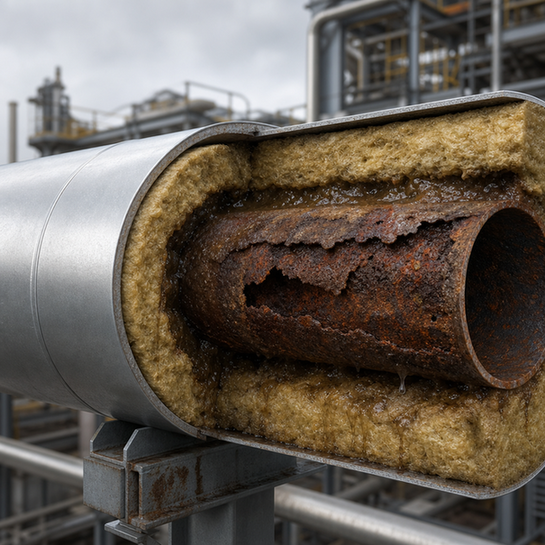
The Financial Impact of Undetected Corrosion Under Insulation
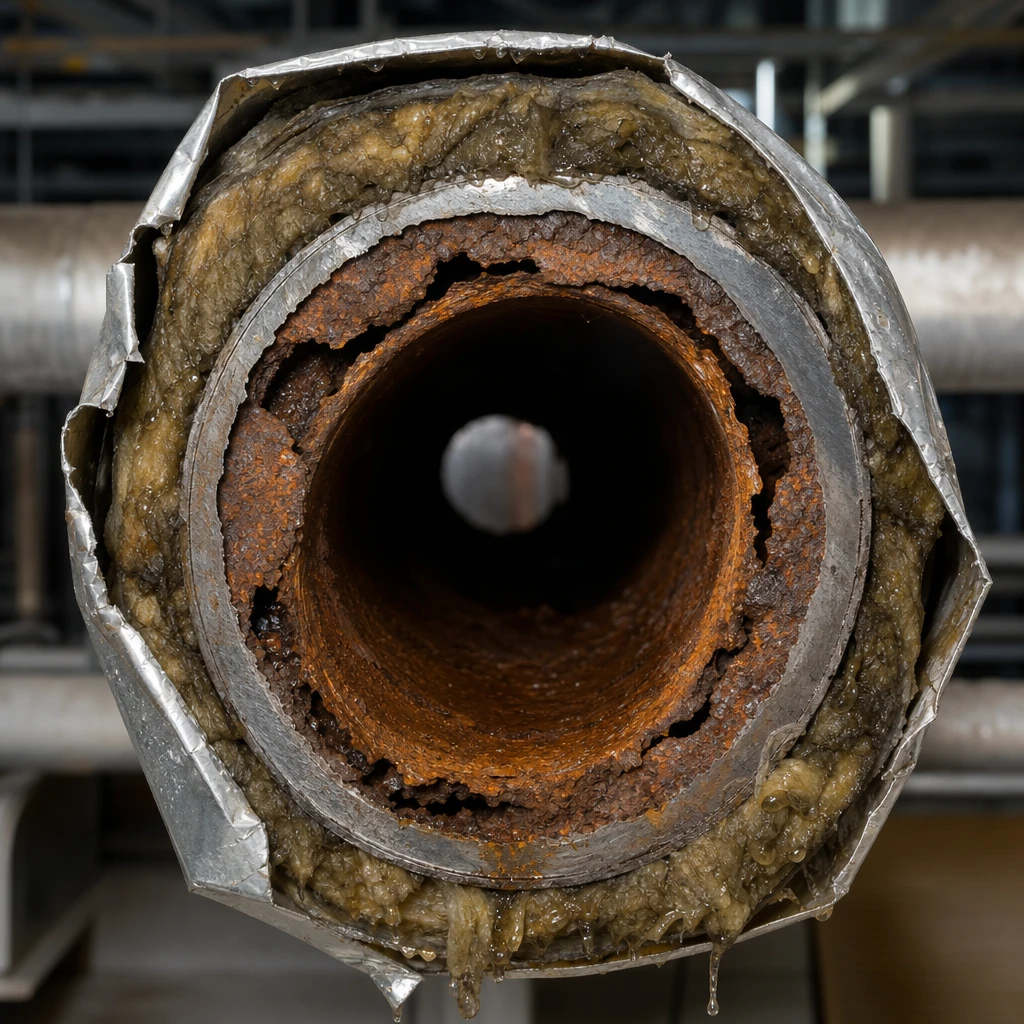
Corrosion under insulation hides damage until it is often very late. Steel thins out under the cladding, but from the outside everything looks fine. When that damage finally shows, it almost never fails in a cheap way.
In our work around Newcastle and the Hunter, we often see this pattern. Plants see their insulated lines as low risk. Then a leak appears, and the real cost starts. You pay for emergency repairs, lost production, and a full CUI survey in one hit.
Across Australasia, corrosion in general is estimated to cost tens of billions of dollars each year.[1 - 3] A large part of that is “avoidable” damage, including CUI, according to industry research. That money does not just vanish from a maintenance budget. It shows up as overtime, hire gear, scrap metal, and shorter asset life.
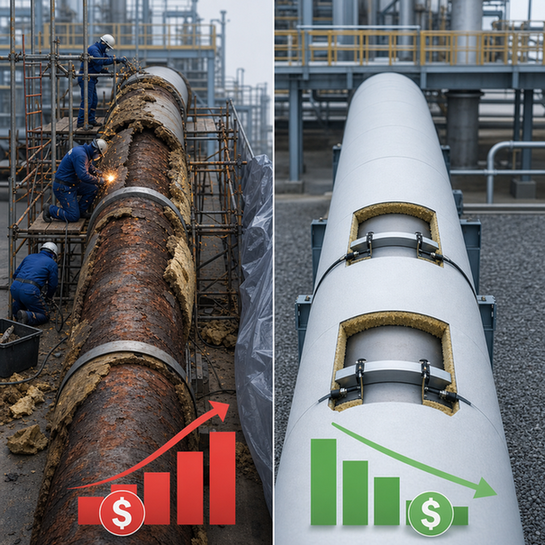
When you find CUI early, the repair is often small and local. When you find it late, it can change your whole shutdown plan. That is the real financial impact. It is not just “more rust”. It is more time, more people, and more risk on every job. For a full breakdown of how to detect CUI early and build a risk-based inspection program, see our corrosion under insulation guide for Australia.
If you want a quick check on your own risk, our NDT standards guide gives a plain-English overview of what good practice looks like.
How Undetected CUI Drives Up Inspection and Lifecycle Cost
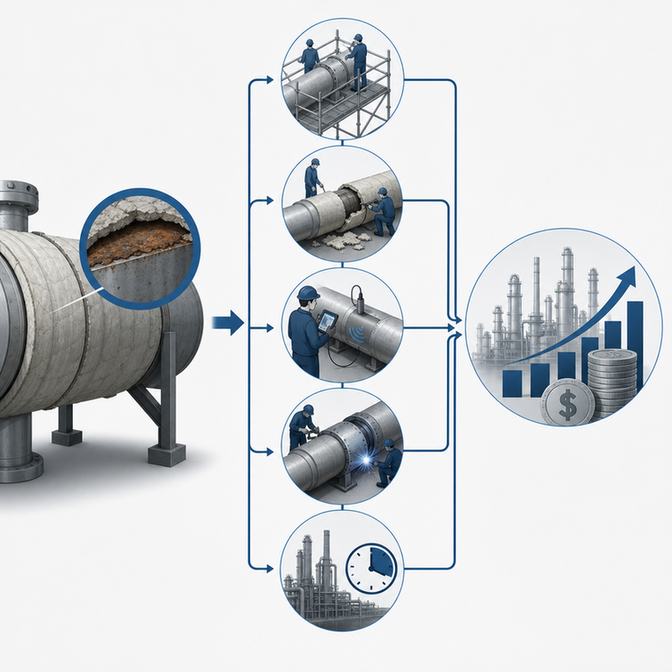
When CUI stays hidden, the first big hit is access cost. To reach the steel, you must strip insulation, cut jacketing, and often build scaffolding or bring in rope access crews. For tall vessels or pipe racks, that access bill can be far bigger than the NDT bill.
Then you pay to put everything back. New insulation, new cladding, surface prep, and coating all add up fast. If the wall loss is severe, you also pay for metal repair or replacement. That means coded welders, extra inspection, and sometimes design checks.
While crews work, your asset may be de-rated or offline. Lost production is usually the largest single number on the spreadsheet. As the Australasian Corrosion Association points out, the wider impact of corrosion hits the whole economy, not just one plant’s maintenance line. Research on corrosion costs shows how quickly downtime and repairs add up.
There is also the repeat cost. Late-found CUI rarely means “fix one spot and you are done”. Instead, you need wider CUI campaigns over several shutdowns to catch everything. Each round means more access, more insulation removal, and more testing.
By contrast, an early, risk-based CUI plan focuses on likely hot spots. You remove smaller bands of insulation, take local UT or phased array ultrasonic testing thickness readings, and repair only what needs repair. Our pressure vessel inspection guide explains how Australian standards support this risk-based approach.
Done well, that approach slows down metal loss and extends asset life. You spend money every year, but you avoid those rare, painful “everything at once” bills. "However, some experts argue that a lean, risk-based CUI plan can be pushed too far.[4] If your screening assumptions are off, or process conditions change between reviews, you can walk past a small defect that later turns into a real headache.[5] On the other hand, some owners still prefer broader strip-and-replace campaigns on critical circuits, even if they know it means higher upfront spend and more scaffolding.[6] They see that as buying certainty and a clean slate, rather than betting everything on data trends and probability. In practice, most smart operators land somewhere in the middle, blending targeted inspection with scheduled renewal on high‑consequence lines, so they balance risk, cost, and sleep at night." According to an ACA review of corrosion costs, proactive According to ACA-commissioned work drawing on NACE data, using proven corrosion control practices through planned, proactive inspection can trim the long‑term cost of corrosion by a meaningful margin.[7 - 9] With CUI, that means treating access and planning as seriously as the NDT itself.
Early CUI Detection: NDT, Risk, and Smart Spending
Most managers accept that CUI is a problem. The real question is when to spend money on it. Leave it too long, and your budget will be set for you by leaks and outages.
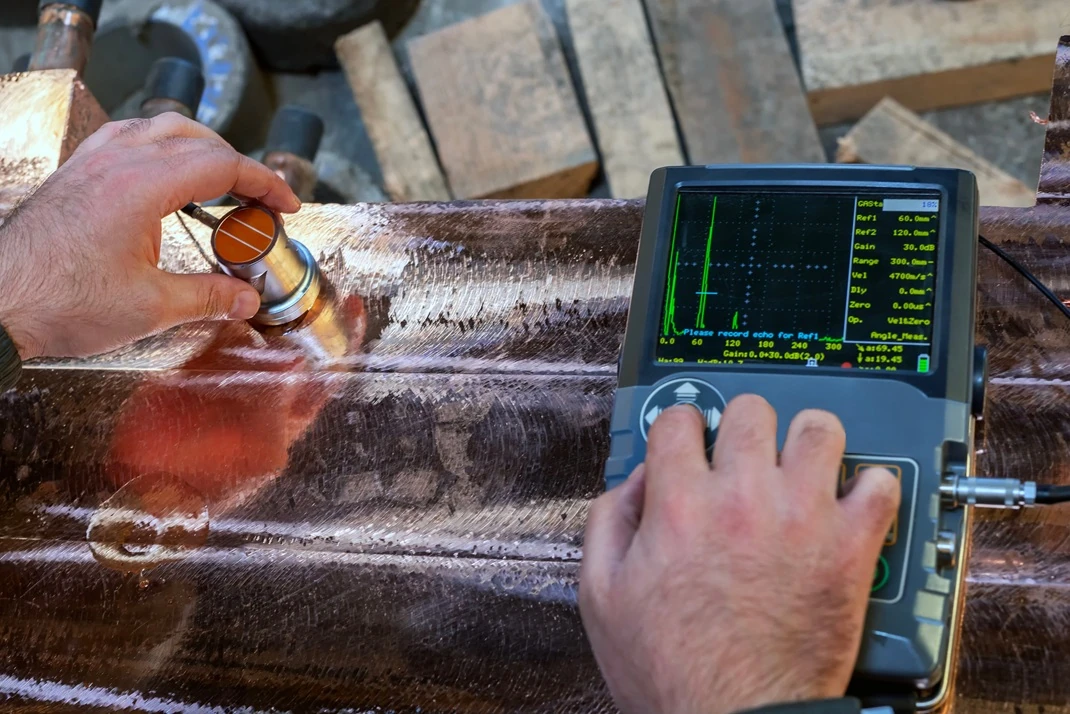
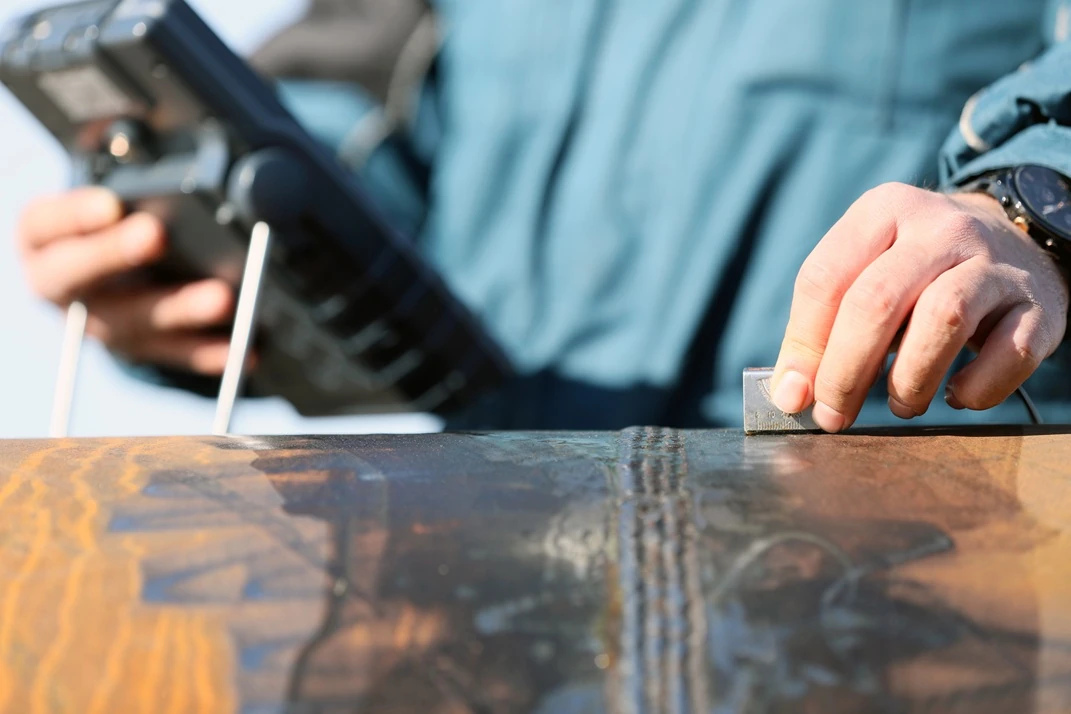
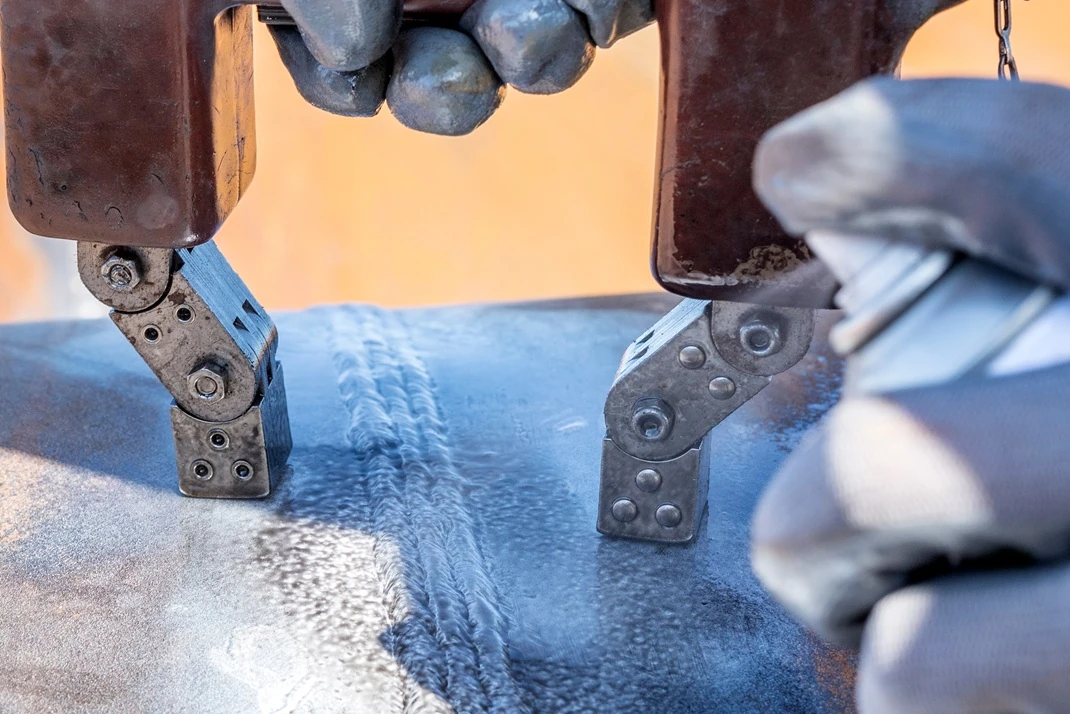
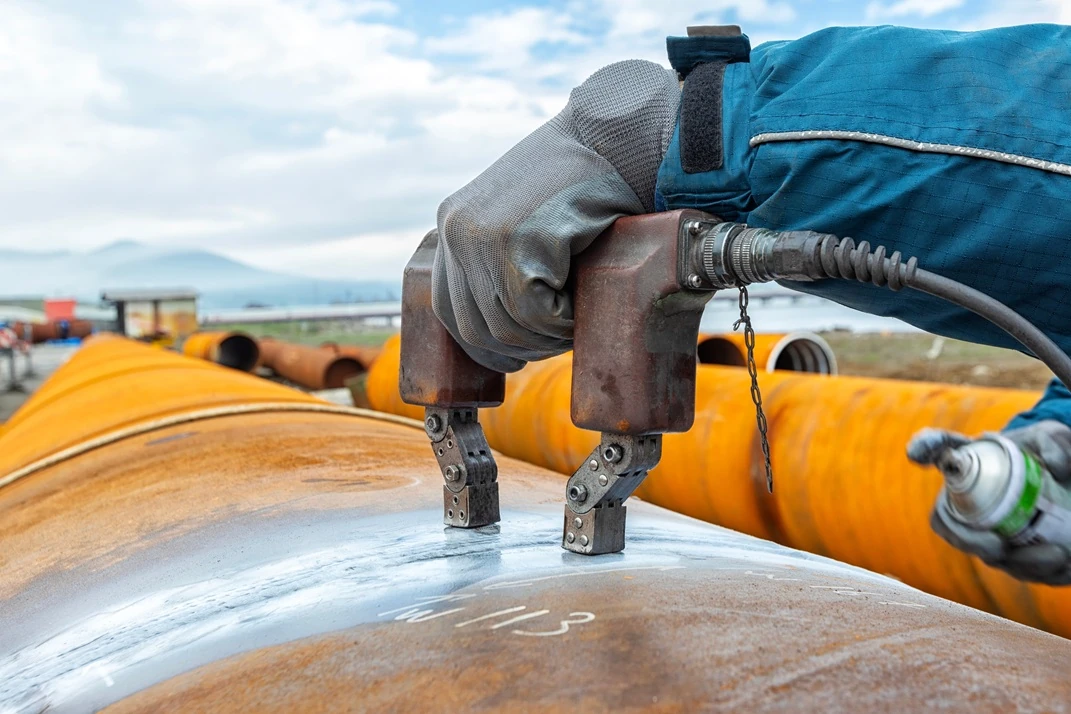
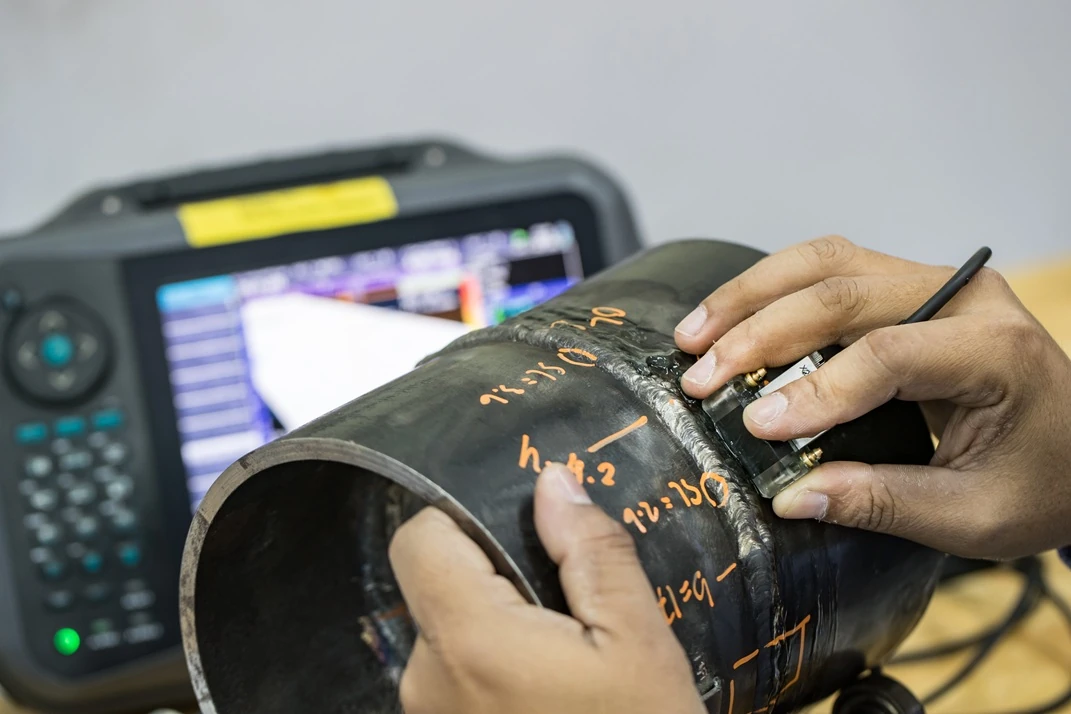
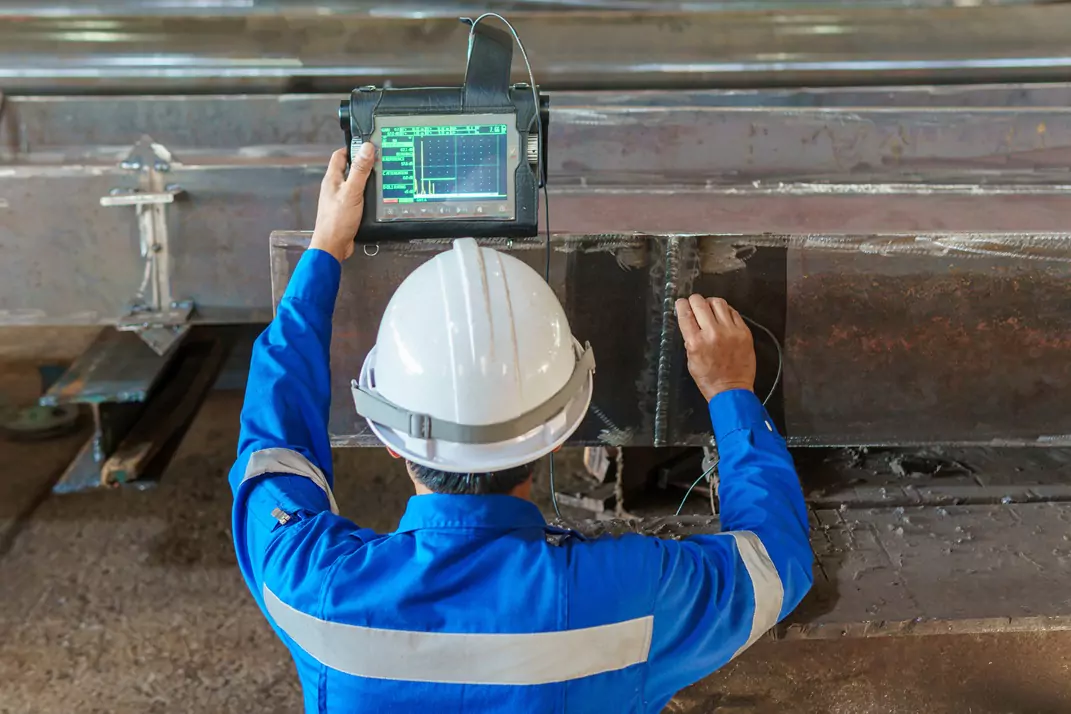
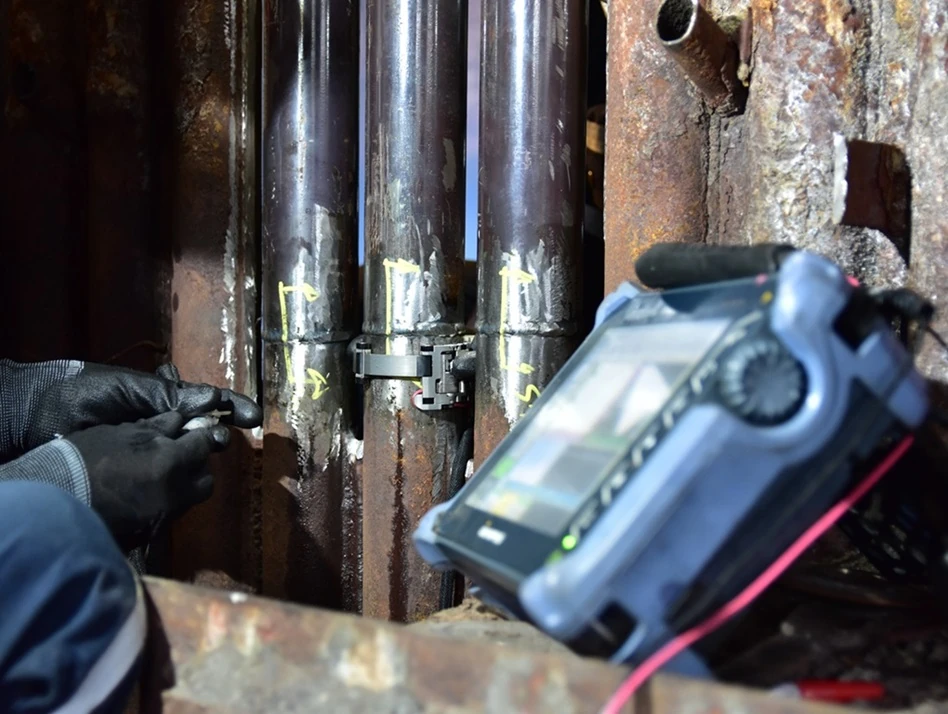
Australian plants now use a mix of non-destructive tests to get ahead of that. Screening tools, like guided wave ultrasonic testing on long pipe runs, help pick suspect areas without stripping every metre. Focused tools, like phased array ultrasonic testing, then map wall loss where the risk is highest.
These methods fit well with AS/NZS 3788, which supports risk-based inspection. Instead of a fixed, “one size fits all” interval, you match inspection scope to hazard level and environment. Guidance on the standard makes it Guidance on AS/NZS 3788 and local industry practice both point out that insulated vessels with CUI risk need more than a quick visual walk‑by.[10 - 12]
When we plan CUI work at Apec Inspection, we start with data. We look at age, coating history, process temperature, and any past CUI finds. From there, we build a simple, staged plan: screen, confirm, then repair. Our NDT standards article sets out how we keep that plan in line with Australian rules and best practice.
This kind of plan spreads cost over several years. It also lets you tie repairs into planned outages instead of rushing during a leak. A recent technical paper on CUI NDT options, hosted by AINDT, shows similar thinking: use advanced NDT to reduce wide insulation stripping and focus on likely damage zones. Industry papers confirm that this approach usually gives better coverage for less money over the asset’s life.
Hydrostatic testing still has its place, but not as a CUI finder. It tells you if a vessel holds pressure today; it does not map hidden wall loss under insulation. However, some experts argue hydrostatic tests still have a modest role around CUI, not as a primary detection tool, but as a reality check on overall integrity.[13] A failed or marginal hydrotest on an older insulated line can be the first nudge that hidden wall loss has moved from theory to problem, especially where paperwork is thin and operating history is fuzzy.[14] In that sense, the test becomes a crude, high‑stakes screen that forces a closer look at insulation systems, drain paths, and past CUI assumptions.[15] It’s not elegant, and it’s certainly not targeted NDT, but in brownfield plants with patchy data, a well‑planned hydro can sometimes be the moment that drives a serious CUI review, rather than another round of deferment. For that, you need targeted NDT and a clear inspection plan. Our own pressure equipment guide touches on where hydrostatic tests fit alongside in‑service inspection.
Practical Steps to Cut Your CUI Cost Exposure
If you run insulated vessels or lines in Newcastle, the Hunter, or along the coast, CUI is not an abstract risk. Salt air, frequent rain, and thermal cycling all work against your insulation and coatings.
There are a few simple steps that pay off over time. First, get a baseline. A focused CUI survey on the highest-risk circuits gives you a starting map. From there, you can rank areas by remaining life and set inspection intervals that make sense.
Second, treat design and maintenance details with care. Poor terminations, missing sealant, and wet supports are common triggers for CUI. The Australasian Corrosion Association’s own work shows that a sizeable share of corrosion spend is avoidable when proven control measures, better design, and steady upkeep are built into the asset from the start.[16][7][3] Their CUI guidance lists typical weak points to watch.
Third, think about access early. Rope access, for example, can be cheaper and quicker than full scaffolding for some CUI jobs, especially on tall shells or pipe racks. A simple access study before shutdown can save serious money once the outage starts.
Finally, accept that some CUI spend is just part of owning insulated steel. The aim is not to drive that cost to zero. The aim is to swap random, painful failures for planned, smaller work packages that fit inside your maintenance budget. The wider corrosion community backs this direction. Studies on the cost of corrosion in Australasia show that planned inspection and smart repair reduce both direct spend and wider losses. One ACA report puts it simply: money spent early on inspection usually saves more money later on failures.
Our team at Apec Inspection works with operators across Newcastle, Port Stephens, Muswellbrook, Sydney, and the Mid North Coast to do exactly that. If you want help turning CUI from a nasty surprise into a managed line item, our pressure vessel inspection overview is a good place to start a conversation.
Conclusion: Turn Hidden CUI Risk into Planned Spend
Undetected corrosion under insulation is not just a technical issue. It is a financial drag that shows up as blown shutdown budgets, forced outages, and lost production across plants in Newcastle, the Hunter Valley, Sydney, and beyond.
With a clear CUI plan, targeted NDT, and steady follow‑through, you can change that pattern. You move spend from “emergency and unknown” to “planned and measured”. If you are ready to take that step, reach out to Apec Inspection. We can review your current approach, suggest practical changes, and help you protect both your assets and your budget.
[1] curtin.edu.au [2] corrosioncontrolaustralia.com [3] corrosion.com.au [4] unisc.edu.au [5] iteroaustralia.com.au [6] thereportcubes.com [7] corrosion.com.au [8] pipeliner.com.au [9] corrosion.com.au [10] business.gov.au [11] qualiss.com.au [12] busch.net.au [13] apecinspect.com.au [14] onsitemachining-omt.com.au [15] pipetek.com.au [16] informit.org