ISO 17020 Type A Inspection Bodies: Why Independence Matters for NDT
When you are responsible for critical assets, trust in inspection results is essential. ISO/IEC 17020 Type A inspection bodies offer the highest level of structural independence. They do not act as the inspection body for assets they have designed, manufactured, supplied, installed, or maintained, nor for the directly related production work of their own organisation or group.[1 - 3] This clear separation helps keep inspections free from commercial pressure and bias. That independence is vital when decisions affect safety, compliance, and major capital investments.
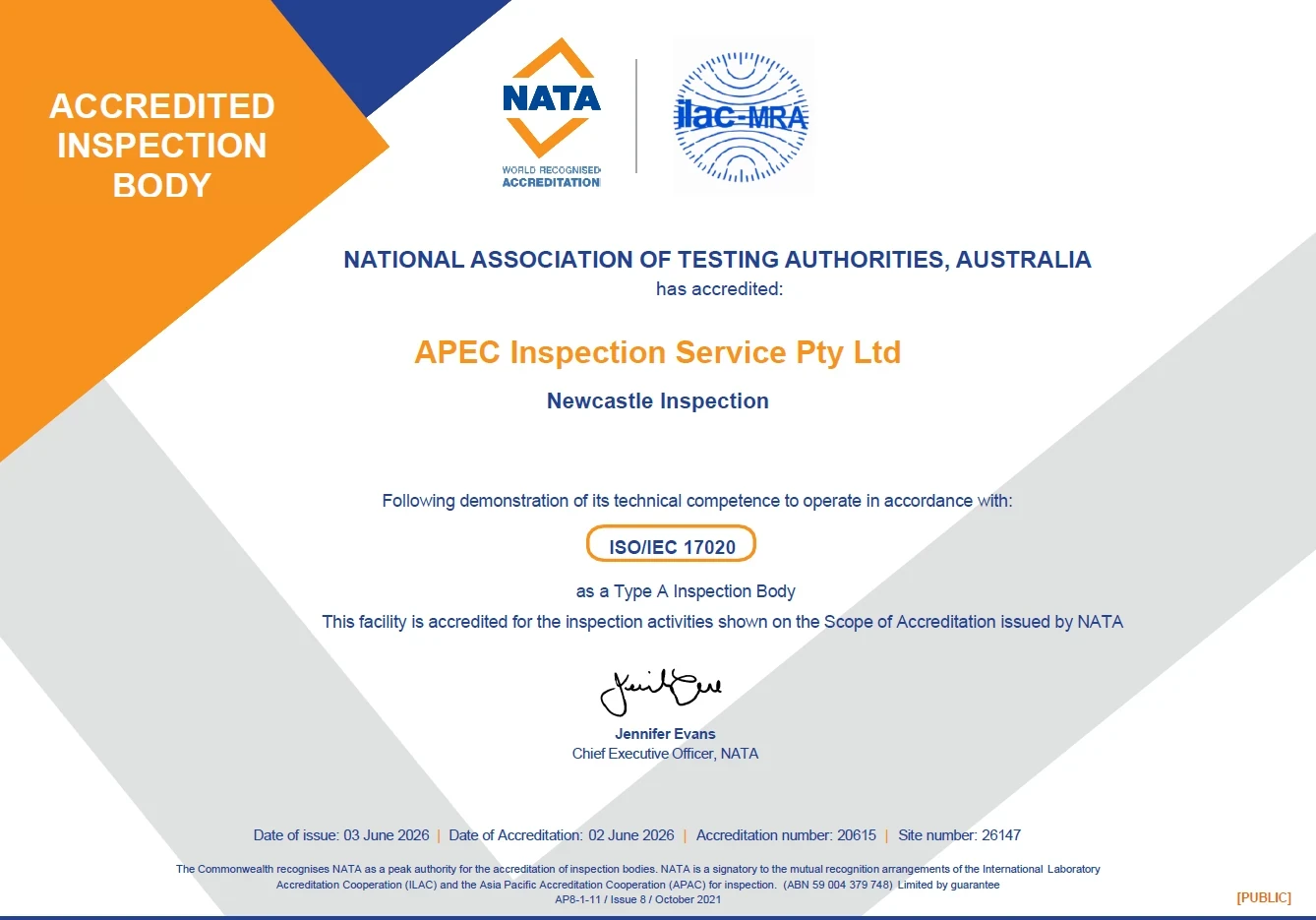
In Australia, NATA accreditation to ISO/IEC 17020 is widely seen as a sign of technical competence and impartiality. A Type A accreditation shows that an inspection provider acts as a truly independent third party. It is not just another part of a fabrication or maintenance business. "However, some experts argue that even Type A accreditation is not a magic shield for independence.[4] It sets a strong framework, but people, pressures, and commercial realities still sit behind every report.[5] An inspection body can meet the letter of ISO/IEC 17020 and still face subtle client influence, especially on large, long-term contracts.[6] In practice, real independence also relies on how a provider manages conflicts of interest, pushes back on scope creep, and documents decisions when findings are uncomfortable. In that sense, Type A status is the starting grid, not the chequered flag." For asset owners and project teams, this independence can decide whether a report is questioned or accepted. It can help reports stand up to audits, insurer reviews, or legal disputes.
When choosing an NDT partner, selecting an ISO 17020 Type A body is less about the test method. It is more about confidence that regulators and other stakeholders can rely on the findings. Partnering with APEC Inspection who has achieved NATA accreditation as a type A inspection body gives asset owners access to an independent provider. APEC focuses on non‑destructive testing and inspection quality.
When and Why to Specify an ISO 17020 Type A Inspection Body
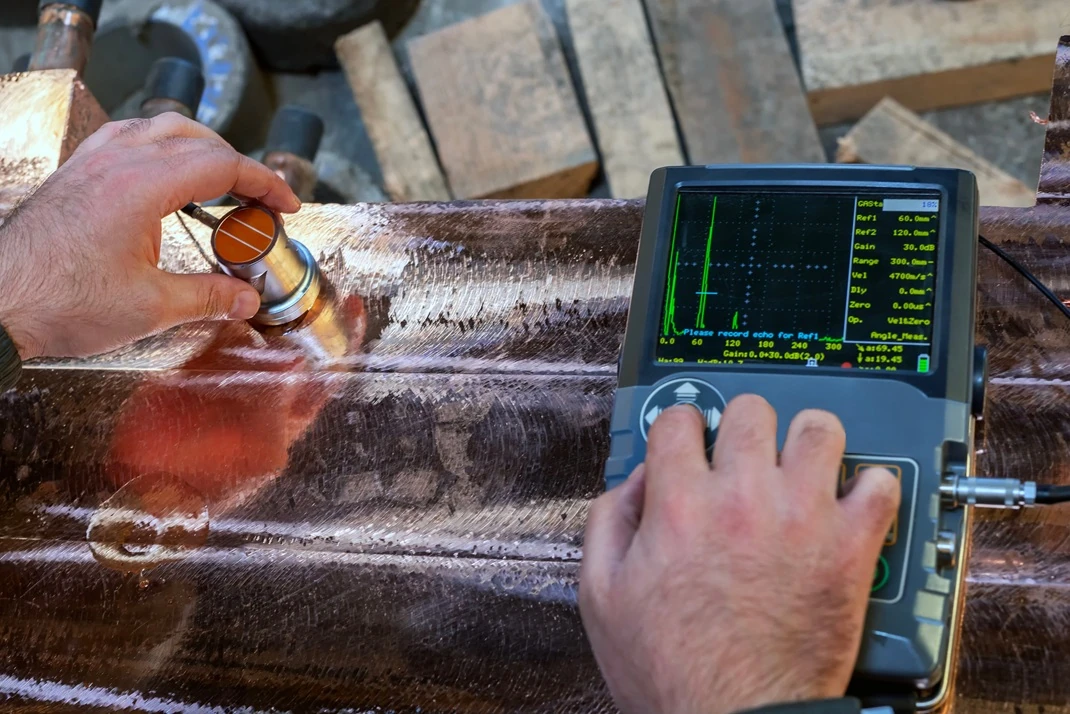
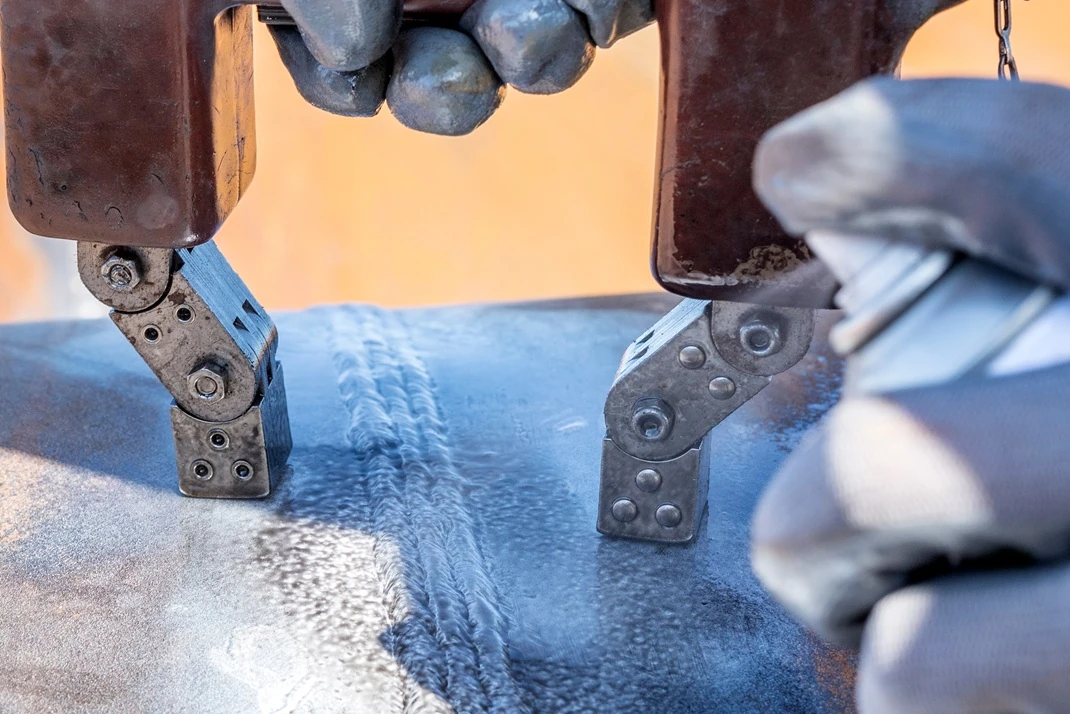
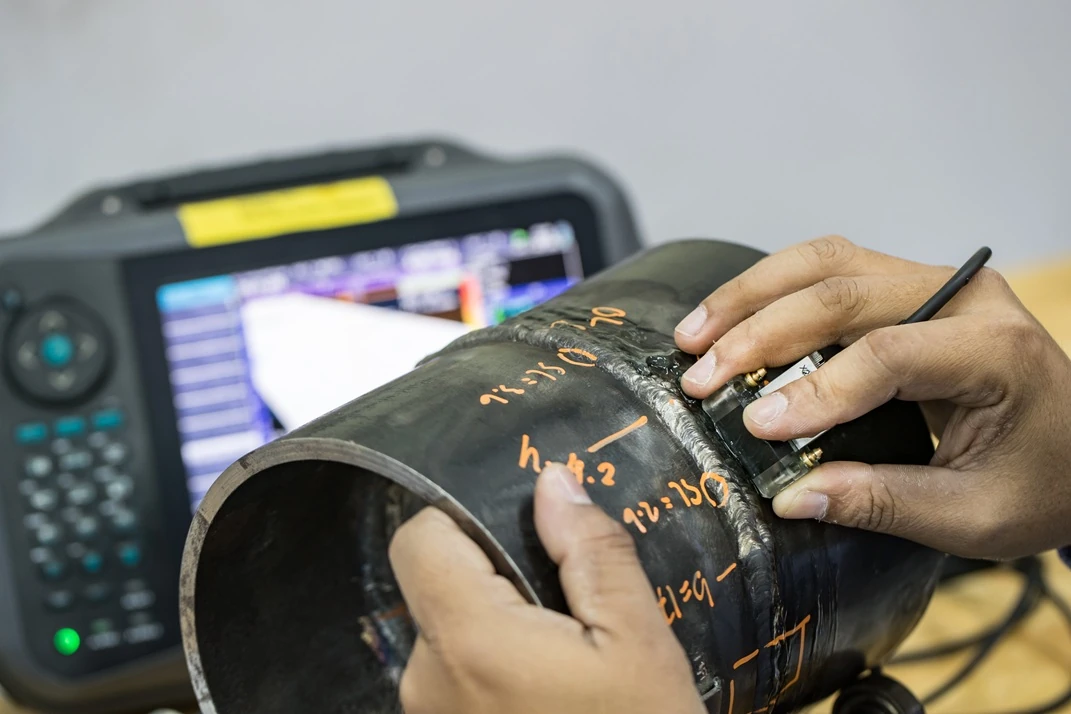
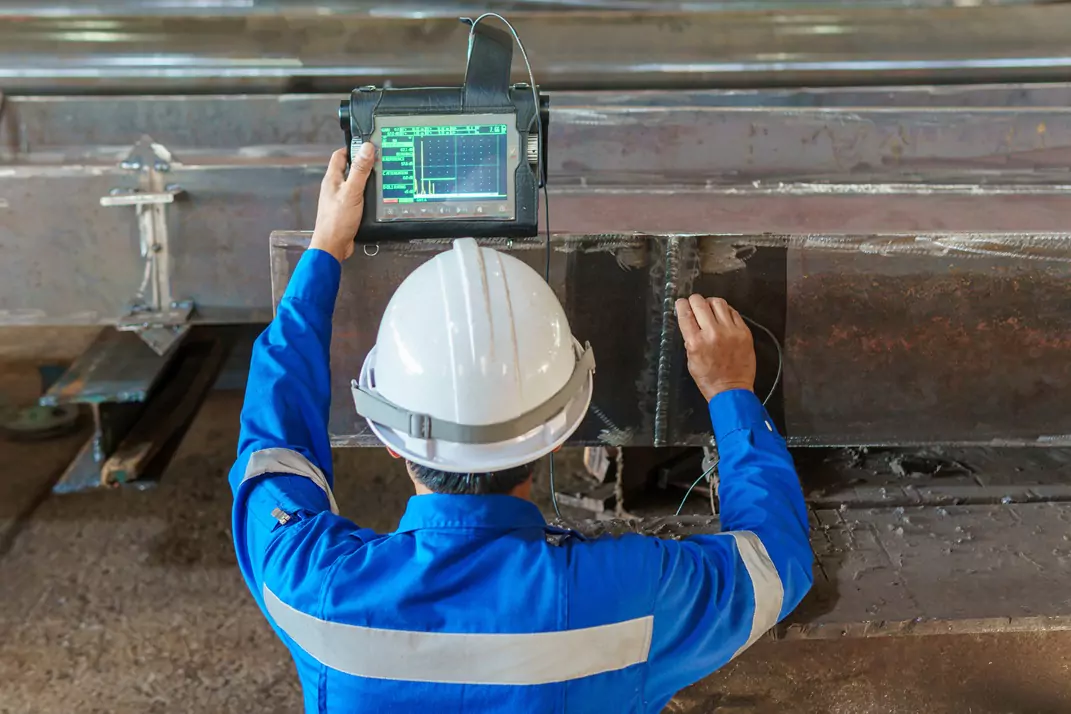
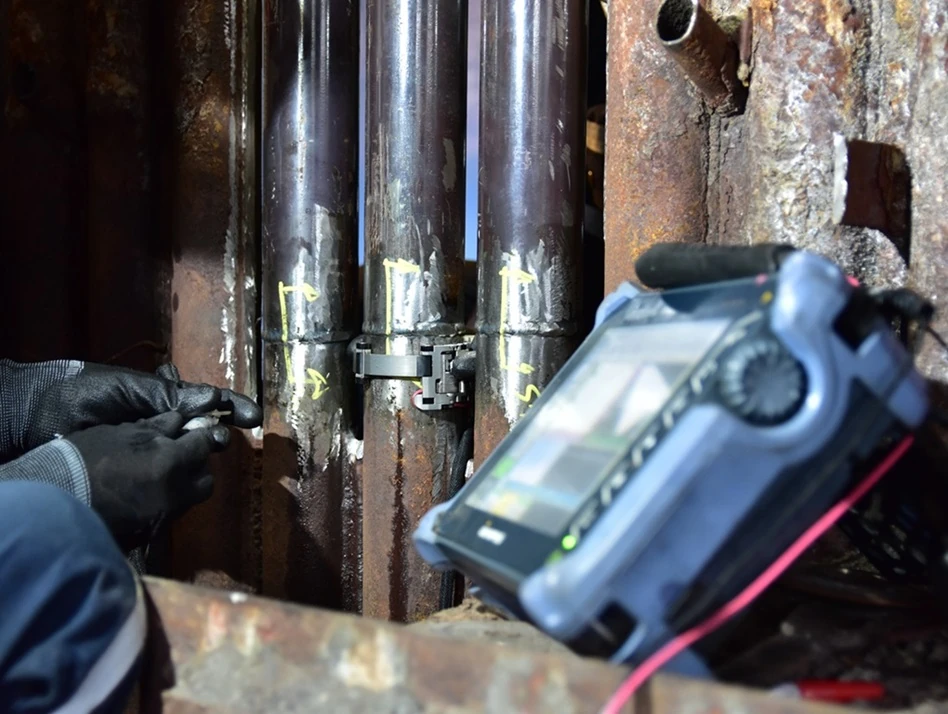
The need for a Type A inspection body does not come from the NDT method itself. Techniques such as ultrasonic testing, radiographic testing, or magnetic particle testing can be done by many providers. Providers offering specialised methods such as eddy current inspection or advanced phased array ultrasonic testing follow the same principle. The main driver for using an ISO 17020 Type A body is context. That context includes codes, contracts, regulators, insurers, or internal governance rules. Whenever you need third‑party proof of compliance, independence becomes a key need.
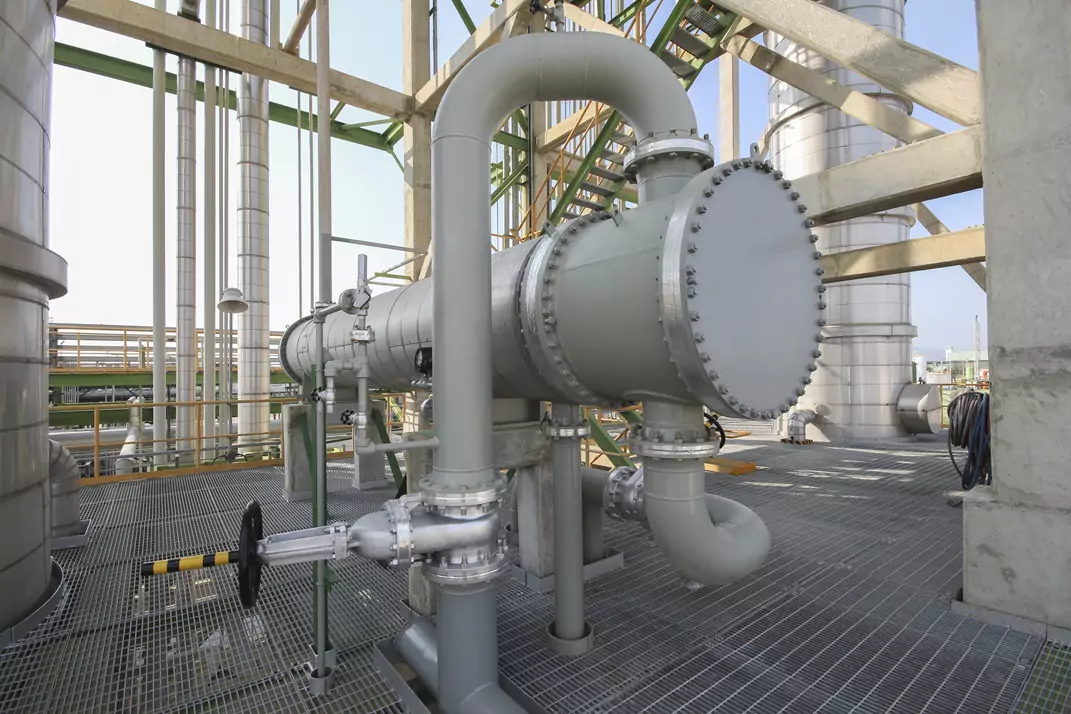
Type A inspection bodies are often preferred for high‑consequence assets. Examples include pressure equipment, critical welds, shutdown work, and in‑service integrity programs. In these cases, the inspection report forms part of the safety and compliance record for the asset’s life. An independent body helps ensure these records will carry weight if reviewed after an incident or during a dispute. Their reports support a strong audit trail. They show that inspection decisions were based on objective evidence, not internal production pressure.
For procurement and engineering managers, the decision to appoint a Type A body should link to risk. Use one where asset failure could cause serious safety, environmental, or financial harm. It is also important where you expect close regulatory review. In these situations, the extra assurance from a Type A inspection body often represents sound risk management. Working with a specialist such as APEC’s storage tank inspection services is one way to apply this risk‑based approach. It is well suited to high‑consequence assets.
In tender situations, specifying a Type A inspection body can also make evaluation easier. It sets a clear benchmark for independence and competence. This reduces the need to judge, case by case, whether a provider is separate enough from design, fabrication, or maintenance work. That clarity can help avoid disputes later, especially on large or complex projects. It also aligns with the expectations set out in international inspection body accreditation programs.
Context‑Driven Independence: Beyond the NDT Method
No individual NDT technique, on its own, mandates the use of an ISO 17020 Type A inspection body in Australia.[1][2][3] This is true for ultrasonic, radiographic, magnetic particle, dye penetrant, eddy current, phased array, time‑of‑flight diffraction, visual testing, or acoustic emission. The techniques are neutral. What changes is the level of assurance demanded by the situation. Standards, regulators, and contracts may call for independence that only a Type A body can give. This need is reflected in guidance such as the IAF - ILAC guidance on the application of ISO/IEC 17020.
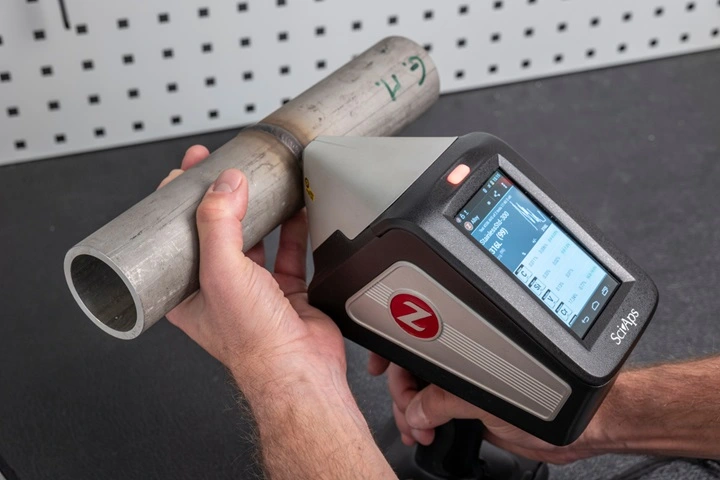
For example, high‑risk pressure equipment and critical structural welds often sit under strict standards and regulatory oversight. These rules highlight independent inspection as part of a duty of care. In such cases, using a Type A body is a practical way to show that inspection decisions were made by people who are separate from production and repair work. This separation helps asset owners show they took reasonable steps to manage safety risks. It is even stronger when combined with robust techniques like positive material identification.
Insurers and major clients may also prefer or require inspection reports from Type A bodies. This is common where assets are high value or where failure could lead to large claims. An independent report can reduce arguments over whether a defect call was shaped by repair revenue or project deadlines. It provides one shared reference point that all parties can accept.
Internal governance frameworks can also push organisations towards Type A inspection bodies. Boards and senior leaders are more aware of the personal and corporate impact of safety failures. Independent inspections for key assets support their oversight duties. Such reports give clearer visibility of risk than internal inspection alone. In some cases, using aerial drone inspection services with conventional NDT can further increase coverage and objectivity. This is useful for hard‑to‑reach areas.
Benefits of Type A Independence for Disputes, Claims, and Audits
Disputes over NDT findings are common when money is at stake. Fabricators may argue about whether a weld is acceptable. Asset owners may question whether enough was done to find defects. In these situations, the source of the inspection report matters as much as the test method. A report from an ISO 17020 Type A inspection body carries more weight. The provider has no direct stake in repair or production outcomes.
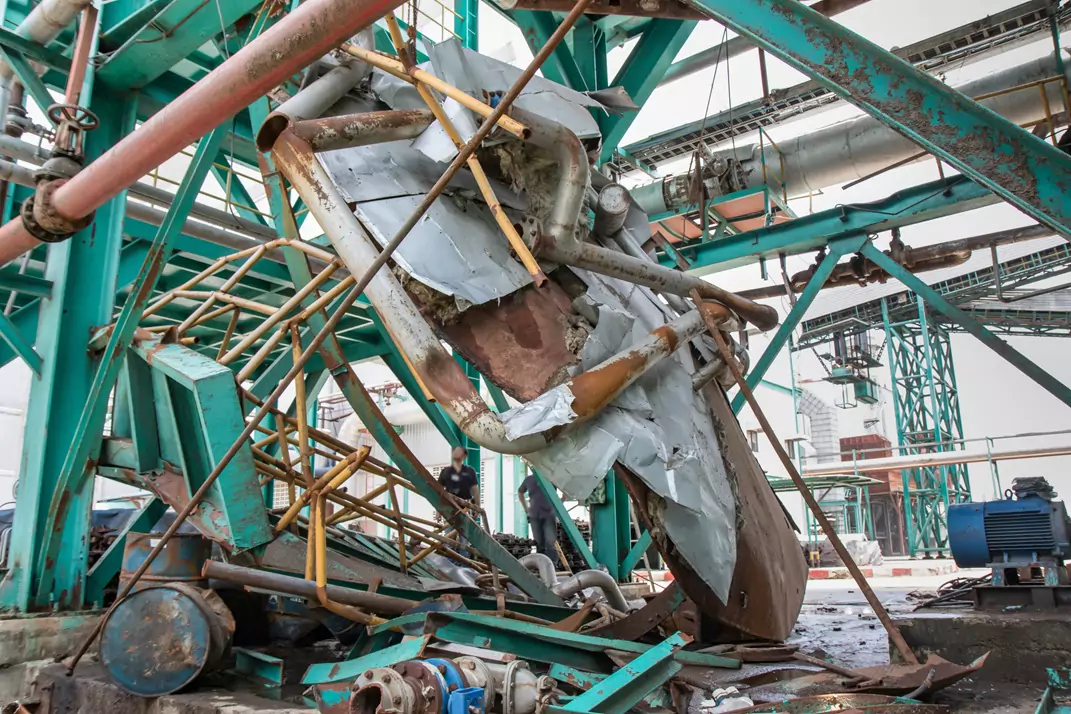
After incidents, regulators and insurers examine inspection records closely. They look at who did the work, how independent they were, and what systems backed their decisions. An accredited Type A body works under documented procedures and set competence rules. It also follows clear rules to protect impartiality. These factors help create a defensible paper trail. If a report from such a body shows that reasonable inspection steps were taken, it can support the view that the asset owner met their duties.
During audits, whether internal, client‑driven, or regulatory, Type A inspection reports can make discussions simpler. Auditors can focus on whether inspections met the right standard and frequency. They do not need to debate independence on each job. This can save time and reduce friction across the supply chain. Real‑world examples, such as organisations achieving ISO/IEC 17020 Type A inspection body accreditation, show how this structure supports confidence among regulators and clients.
From a commercial point of view, using independent Type A inspection bodies can also cut the risk of rework and delays. When all parties accept the authority of the inspection report, there is less reason for re‑testing based on mistrust of internal inspection. Shared trust in the inspection outcomes keeps projects moving. It also helps avoid late‑stage disagreements. Choosing experienced providers such as APEC’s coating inspection services can further reduce coating‑related rework and disputes.
ISO 17020 Accreditation, NATA, and Confidence in Technical Competence
ISO/IEC 17020 application documents set out requirements for inspection bodies. These cover technical competence, impartiality, and consistent operation. To gain accreditation, a provider must show that its people, processes, and records meet those requirements. In Australia, NATA is recognised as a key organisation for accreditation linked to technical competence, including ISO 17020 for inspection bodies. This recognition helps end users find providers that have been independently assessed.
Accreditation under ISO 17020 covers far more than a quality manual. It includes rules for personnel qualifications, training, and ongoing competence checks for inspection tasks. It also sets expectations for how inspection procedures are written, how records are kept, and how reports are issued. Together, these elements support consistent decisions from one inspection to the next. This consistency is basic for long‑term asset management. It is also reflected in international schemes such as the Inspection Body Accreditation Program.
For decision‑makers comparing providers, checking ISO 17020 Type A accreditation is a practical filter. It shows that the organisation has built clear structures to avoid conflicts of interest. It also shows that its inspection work is subject to external oversight. This can be especially reassuring when inspections feed into regulatory submissions, plant registration, or other third‑party approvals. Reviewing a provider’s track record and background, for example through the About APEC Inspection page, can further support this judgement.
Accreditation does not remove all risk, and it does not guarantee perfect decisions. However, it provides a framework in which inspection bodies must manage risk, document their reasoning, and respond to non‑conformities. That structure gives asset owners more confidence that issues will be found, reported, and addressed in a consistent way over time.
Choosing Between Type A, B, and C Inspection Bodies
ISO 17020 defines three types of inspection bodies based on their level of independence. Type A bodies are required to be independent of the parties involved with the items they inspect.[7][8][6][7][9] Type A inspection bodies operate as third‑party organisations that must remain independent and are not permitted to be involved in the design, manufacture, supply, installation, purchase, ownership, use, or maintenance of the items they inspect, or of similar competing items.[7][6][10] This gives them the highest degree of separation from commercial interests linked to the asset.
Type B inspection bodies are separate and identifiable parts of organisations that are themselves involved in the items inspected. They usually provide inspection services only to their parent organisation. This can suit internal quality control. It helps an organisation improve process discipline when it does not need external recognition of independence.
Type C inspection bodies are identifiable parts of organisations that may be involved in the items they inspect. They may serve both internal and external customers. Safeguards for impartiality are still required. However, the structural link to other business activities creates a higher chance of conflicts of interest than in Type A bodies. International accreditation bodies, such as DAkkS for inspection bodies, use these distinctions when they assess impartiality.
For many day‑to‑day checks inside a business, a Type B or C inspection body, or even a competent non‑accredited provider, may be enough. The case for Type A becomes stronger when inspection results must be accepted by external parties such as regulators, clients, or insurers. In these settings, the independence and perceived objectivity of a Type A body can reduce arguments. It also helps ensure that findings carry the right authority. Engaging specialists like APEC Inspection for critical NDT activities can support this need.
Practical Buying Tips for Engineering and Procurement Teams
When deciding whether to specify a Type A inspection body for NDT, start with risk. Ask what would happen if the asset failed. Also ask who would examine the inspection records afterwards. If the likely answer involves regulators, courts, or large insurance claims, independent inspection will usually be worth the extra cost.
Next, review the standards, codes, or contracts that apply to your project. Many require independent third‑party inspection. They may also refer to external accreditation as proof of technical competence. They may not always state “Type A” by name. Even so, a provider with Type A accreditation will usually meet or exceed these expectations. Using such a provider also makes it easier to explain your choice to auditors and management. Resources like the APEC Inspection blog can help procurement teams see how these rules apply in practice.
Finally, consider your internal capability. Some organisations maintain strong internal inspection teams. These can work well for routine checks and early quality control. However, internal teams may face real or perceived pressure from production targets or budget limits. Bringing in an external Type A inspection body for key hold points, design verification, or final acceptance can support your internal people. It also gives extra assurance for high‑consequence decisions. For complex projects, this may include combining conventional NDT with specialist coating inspections or drone‑based surveys.
By matching the level of independence to the level of risk, you can make inspection spend work harder. Focus Type A involvement on areas where its value is highest. Use other options for lower‑risk internal quality tasks. When in doubt, discussing your inspection strategy with APEC Inspection’s team can help you decide which assets need third‑party involvement.

Conclusion: Using ISO 17020 Type A Inspection Bodies to Strengthen NDT Decisions
ISO 17020 Type A inspection bodies combine structural independence, accredited competence, and consistent processes. For NDT, they are most useful where inspection outcomes affect safety, legal exposure, or major commercial decisions. The test method may match that of any other provider. However, the framework of independence and documented assurance around the work is different. Choosing an experienced NDT partner such as APEC Inspection helps make sure that framework is strong.
By understanding when context demands a higher level of independence, engineering and procurement teams can choose NDT partners with more confidence. Used well, Type A inspection bodies support clearer decisions, stronger records, and more reliable assets across their life. For those needing deeper technical insight into specific methods, resources such as APEC’s articles on positive material identification and phased array ultrasonic testing applications can support wider governance and risk discussions.
[1] business.gov.au [2] productsafety.gov.au [3] safetyculture.com [4] eess.gov.au [5] jasanz.org [6] nata.com.au [7] vti.net.au [8] ironbarksustainability.com.au [9] cmis.net.au [10] iticglobal.org