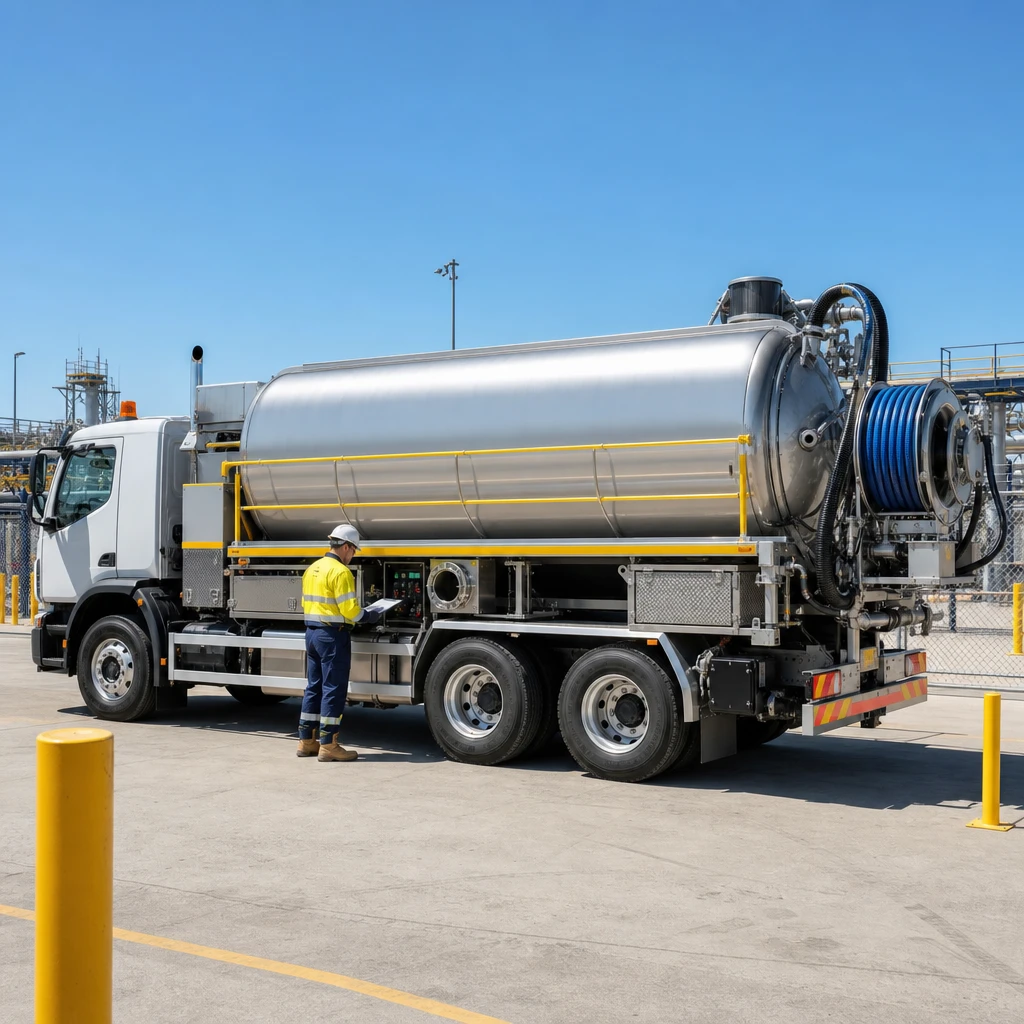
Understanding Vac Truck and Hydrostatic Testing
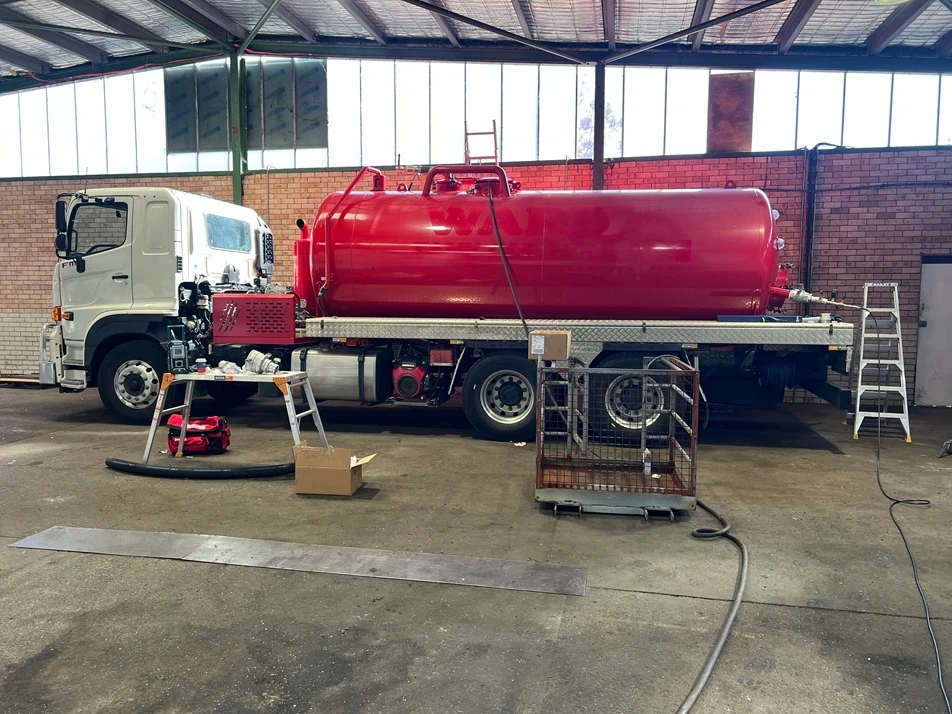
Operators of vacuum trucks have a key responsibility. They must ensure their equipment is safe. Vac truck and hydrostatic testing is a key process. It checks the strength and seal of these important tanks. This safe test fills the tank with a liquid, usually water. The pressure is raised well above its normal working level. This helps inspectors find problems like leaks, weak spots, or damage. Finding them early prevents dangerous accidents. This process is more than just a good idea.[1] In many regions and operating conditions, it is a key part of meeting safety and compliance duties.[2][3] It also protects workers, the public, and the environment. Using experienced non-destructive testing specialists helps ensure these vac truck checks are done to the highest standard.
The Hydrostatic Testing Process: A Step-by-Step Overview
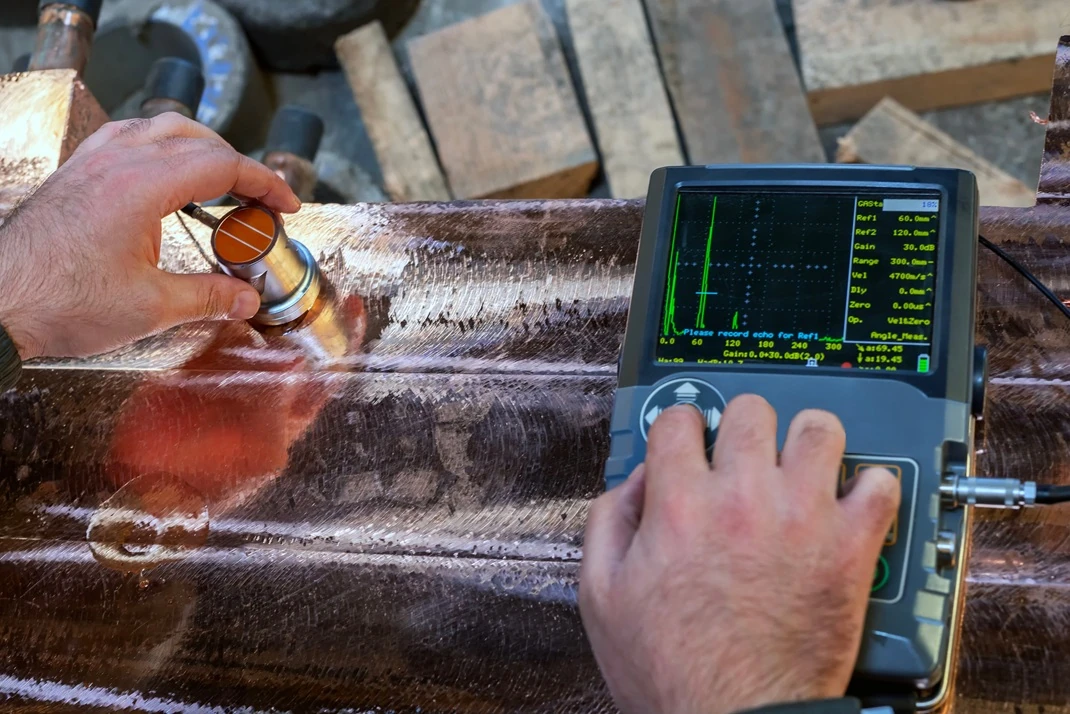
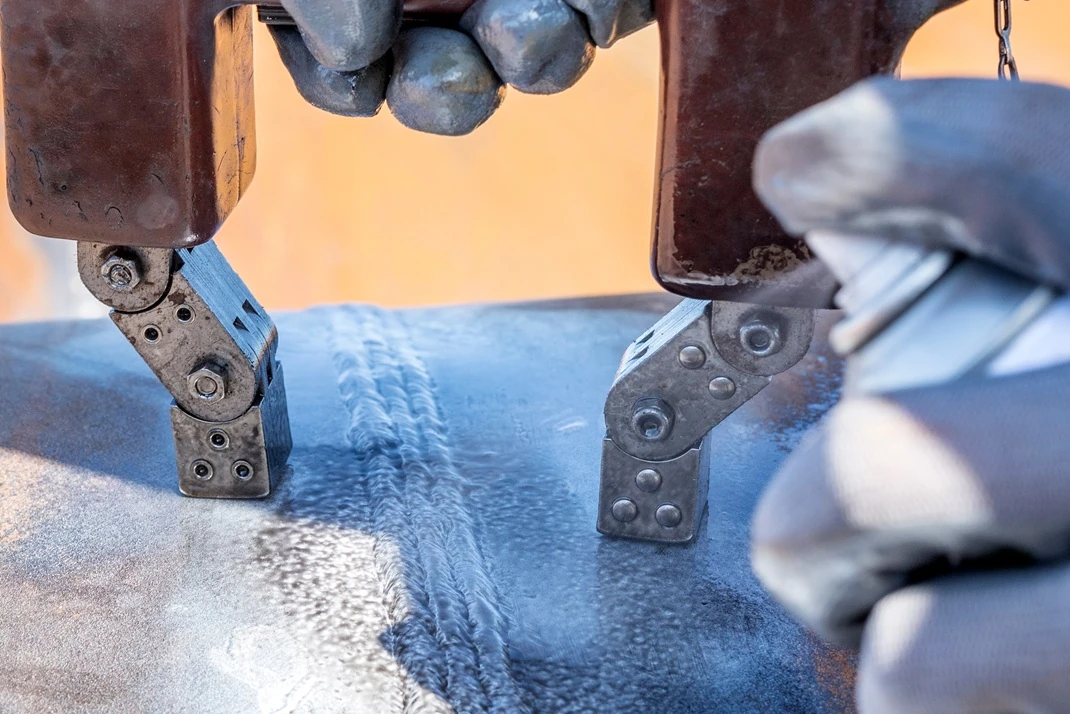
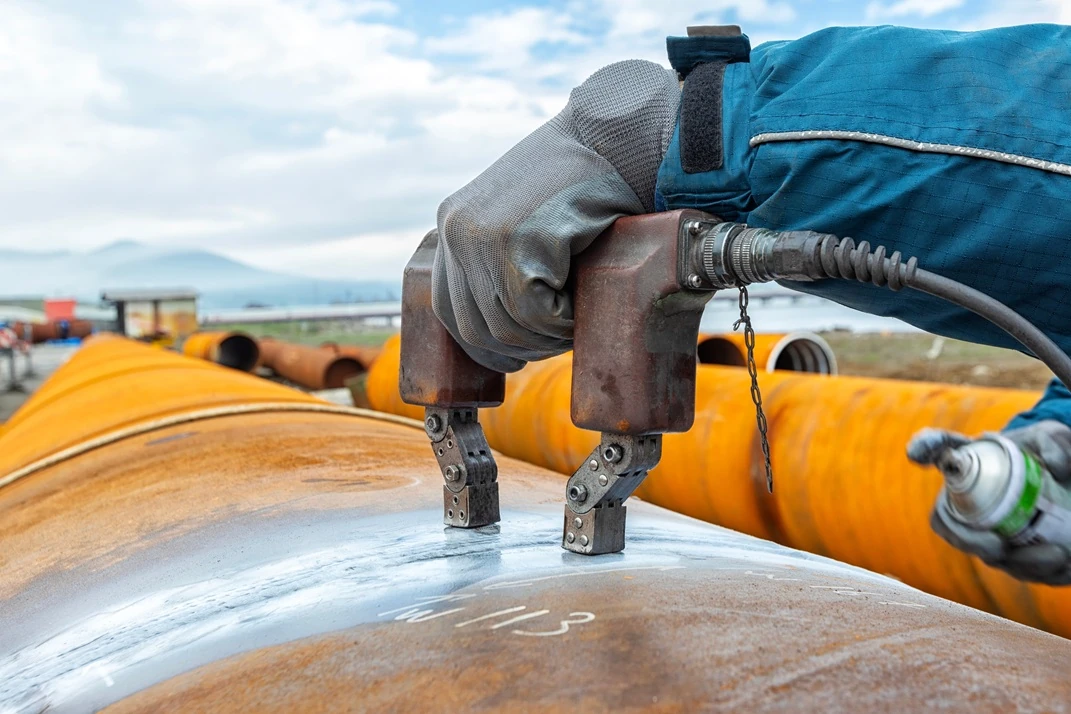
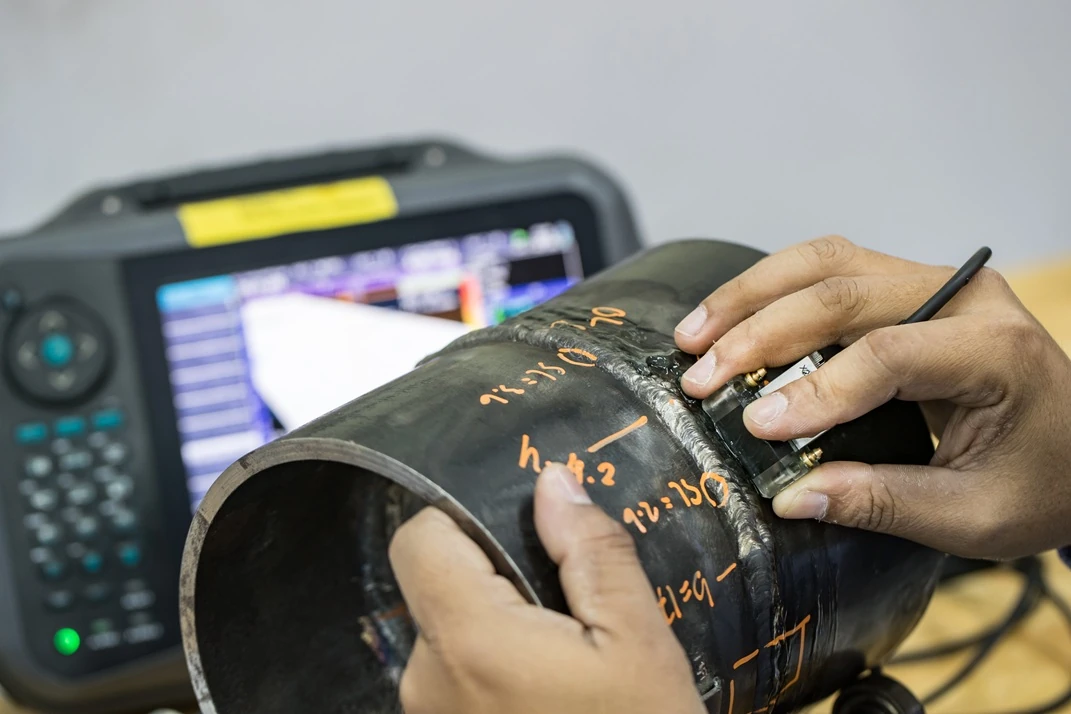
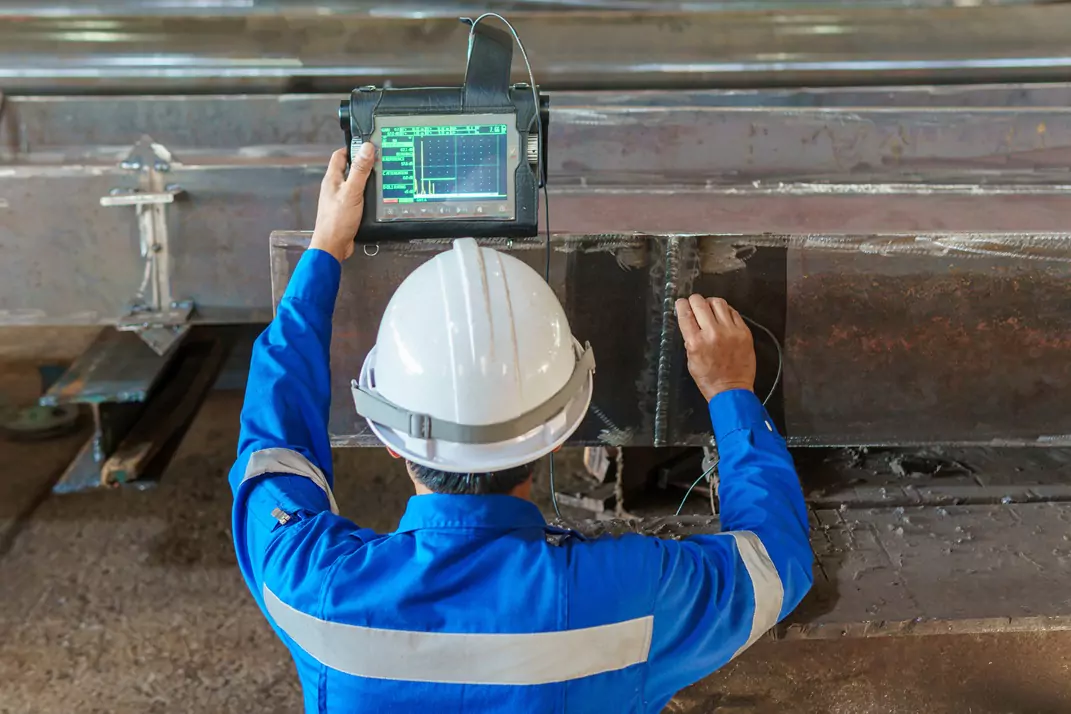
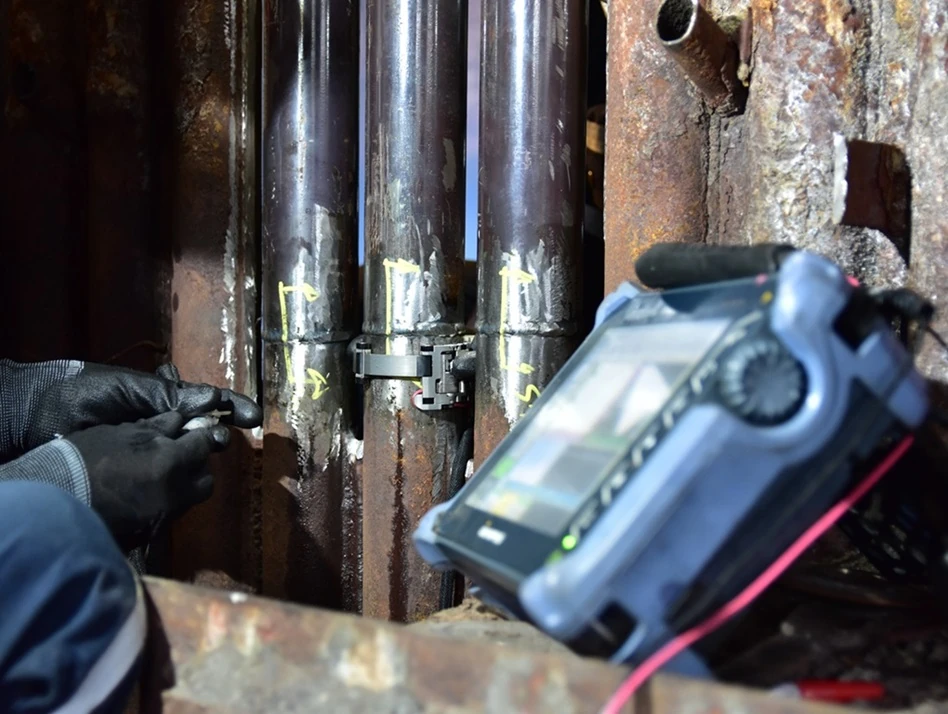
The hydrostatic test is a step-by-step process. It makes sure a vac truck's tank is checked safely and fully. The first step is full preparation. The tank is cut off from other systems. It is cleaned to remove any leftover material. Then, it is filled with water, and all air is let out to prevent unsafe pressure. Once full, a special pump slowly raises the internal pressure to the test level. This pressure is held for a set time, as required by the Australian Standard. During this time, inspectors do a detailed visual check. They look at the tank's entire outer surface, including all welds, nozzles, joints, and fittings. The test fails if the pressure drops. It also fails if there are any visible leaks, like drips or streams. Any lasting damage or bulging of the tank also means the test has failed. Passing the test gives proof that the tank can safely handle its working pressures. This type of check is a key part of our wider non-destructive testing services. It works with other methods like eddy current inspection and phased array ultrasonic testing for total equipment safety management.
Australian Standards and Compliance for Vac Truck Tanks
To operate a vacuum truck in Australia, you must follow strict rules. These rules are set at national and state levels. Vac trucks are often called "road tank vehicles," especially if they carry dangerous goods. They are mainly regulated under Australian Standard AS 2809, the multi‑part road tank vehicles for dangerous goods standard used across Australia.[2 - 5] This standard lists the rules for design, building, and upkeep to ensure safe use. Because the tank operates under internal or external pressure, it is treated as a pressure vessel and is generally expected to comply with Australian Standard AS 1210, alongside the vac truck requirements in AS 2809.[6 - 8] According to industry experts on Australian pressure vessel standards, this double listing provides extra layers of safety. "The main set of rules is the Australian Code for the Transport of Dangerous Goods by Road & Rail (ADG Code), which sets the legal requirements for moving dangerous goods and works alongside these Australian Standards.[9 - 12]" Misunderstanding these rules can cause big problems. Using foreign standards not approved in Australia is also risky. Following these specific Australian Standards is vital for legal and safe operation. We provide detailed pressure vessel and storage tank inspection services to help you meet these rules, with a team of NDT experts you can trust.
Correctly Calculating Test Pressure Under AS 1210
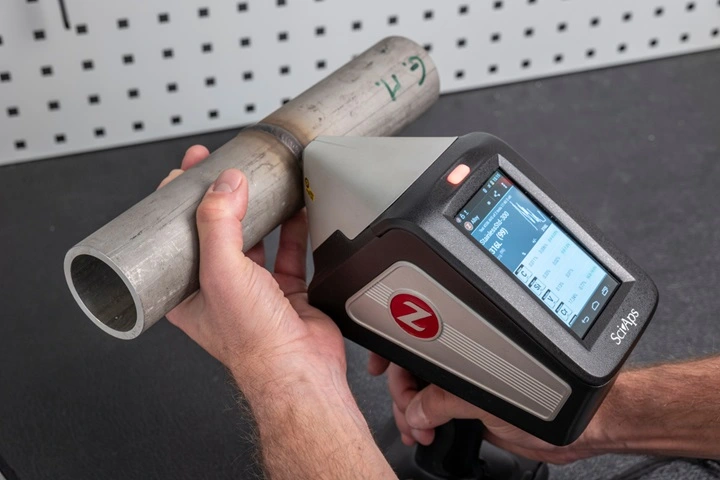
Calculating the test pressure can be confusing. This is often due to using international standards. In Australia, the main rule for new pressure vessels is AS 1210. Its rules are different from some foreign codes. The In many Australian applications, AS 1210 is interpreted to require a hydrostatic test pressure in the range of about 1.43 to 1.5 times the tank's design pressure, rather than a single fixed 1.5 multiplier for every vessel.[13][14] . This is a key difference from other standards. Some standards use the Maximum Allowable Working Pressure (MAWP). Design pressure is the pressure used in the tank's design. MAWP is the highest pressure the finished tank can handle. As noted by Australian firm A&G Engineering regarding hydrostatic tests, some figures use 1.43 times the design pressure. However, 1.5 is the common number used for AS 1210. Using the wrong number can make the test invalid. This means it will not meet Australian rules. It could also weaken the safety check of the vac truck tank. When checking materials for these calculations, methods like positive material identification can add extra confidence that the right materials are being used.
Hydrostatic Test Frequency: Debunking the 5-Year Myth
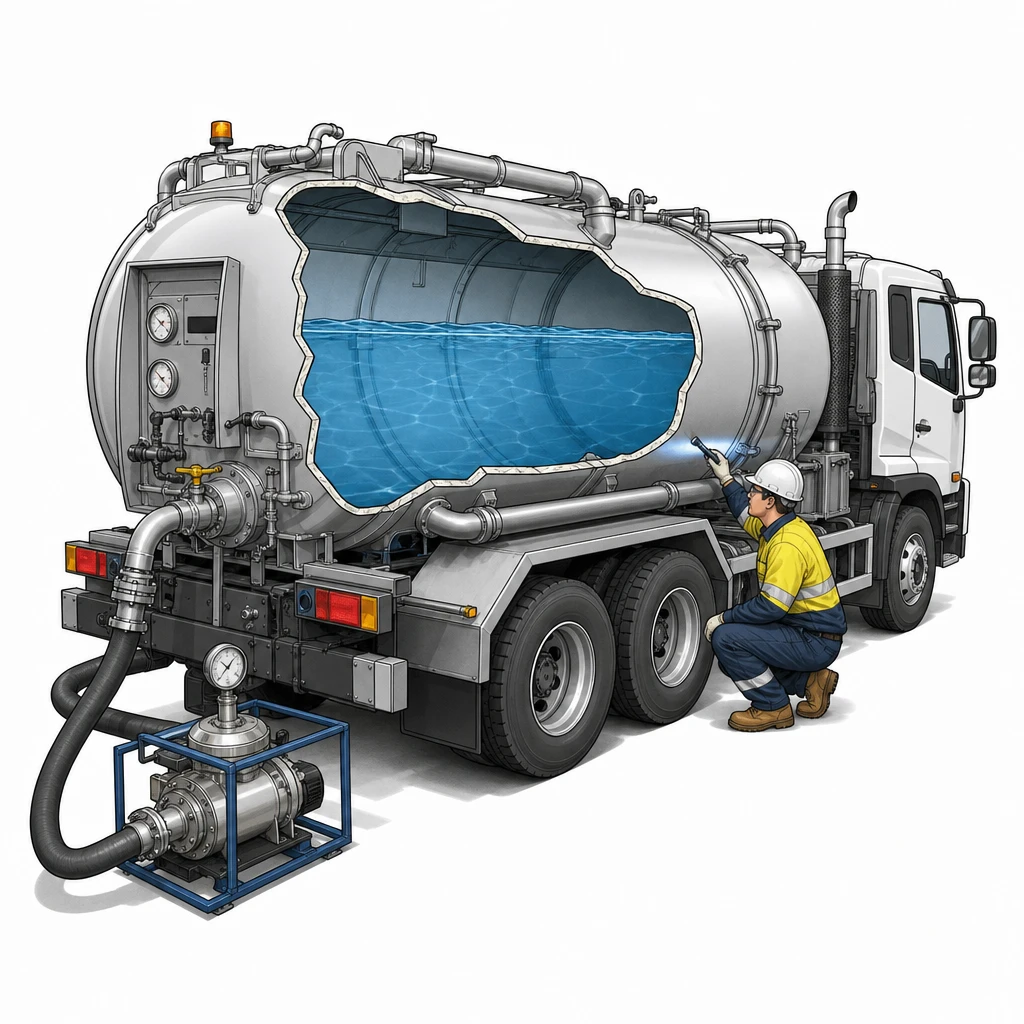
Many people think all pressure vessels need a test every five years. This is a common mistake about Australian rules. How often a test is needed depends on the equipment and its use. For vac trucks, which are road tank vehicles, Australian Standard AS 2809 is the main guide. This standard does require regular hydrostatic testing, and in practice a 5‑year interval is common for many applications, though the exact interval can vary with the equipment and how it is used. The NSW EPA's Dangerous Goods Tank Vehicle Inspection Manual also supports this 5-year rule. But this 5-year rule does not apply to all pressure equipment. For fixed pressure tanks, the rules are in AS/NZS 3788. This standard uses a method based on risk. Test schedules change based on the tank's risk level, its contents, and how it is used. Some high-risk equipment needs checks every year. It is vital to understand the specific pressure vessel inspection requirements by vessel type. Operators can stay up to date through resources like the APEC Inspection blog.
What Hydrostatic Testing Can and Cannot Detect
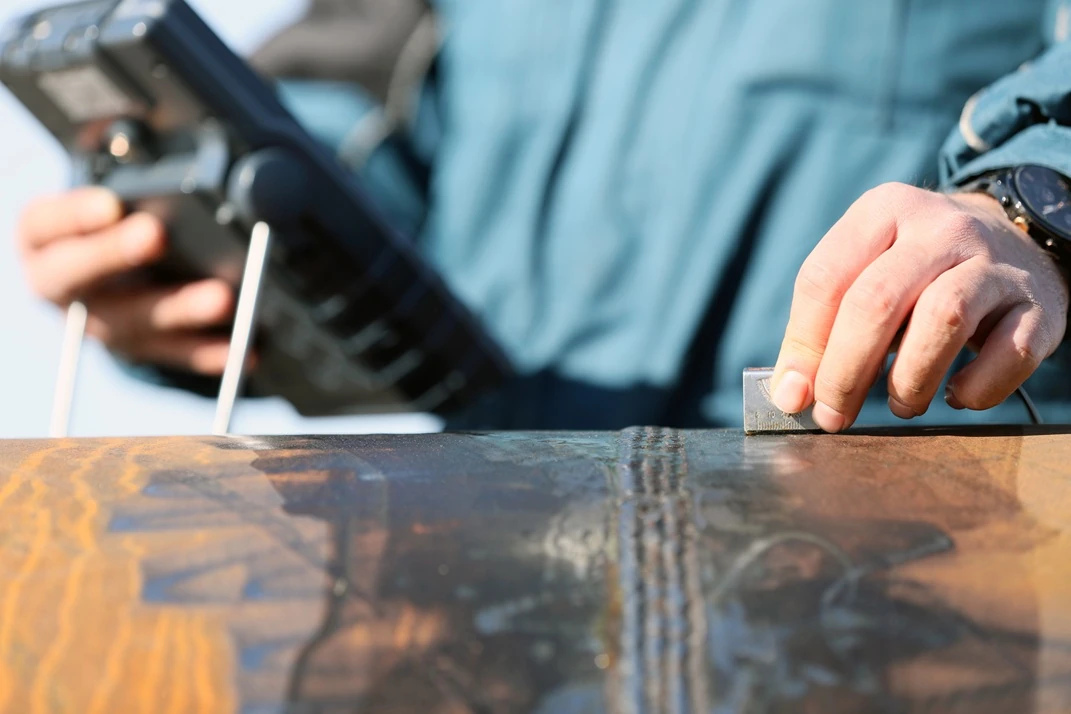
Hydrostatic testing is a strong and trusted method. It confirms a tank can hold pressure. It also finds major flaws that go through the tank wall. It is very good at finding leaks from bad welds, faulty seals, or broken seams. Under pressure, water will escape from these weak spots. This gives clear proof of a problem that needs to be fixed right away. But it is also important to know what this test cannot do. A hydrostatic test may miss very small flaws like pinholes. These may not cause a visible leak or a pressure drop during the test. It also cannot find hidden defects below the surface. These could be flaws inside a weld or under a coat of paint. They are not found until they break through the tank wall. For a full check, other tests are often used with it. Ultrasonic testing can measure wall thickness. Radiographic testing can find hidden weld flaws. Advanced methods, including phased array ultrasonic testing applications and special coating inspection services, can find more defects than hydrostatic tests alone.
Preparing Your Vac Truck for a Successful Hydrostatic Test
Good preparation is key for a safe and successful test. It helps the test run smoothly and well. Before the inspector arrives, the truck owner has several jobs to do. The first and most important step is to clean the tank fully. Any leftover material can be dangerous. It can also hide small leaks and make the inspection invalid. All valves, vents, and fittings not part of the test must be sealed off. The operator must also provide safe and clear access to the whole tank. This lets the inspector check all outside surfaces and welds. Finally, have all paperwork ready. This includes old inspection reports and design details. It helps speed up the process. Taking these steps shows a focus on safety. They help prevent delays or the need for another test. This saves time and money for the business. In many cases, planning may also include scheduling any needed aerial drone inspections or protective coating assessments at the same time.
Conclusion: Prioritising Safety and Compliance
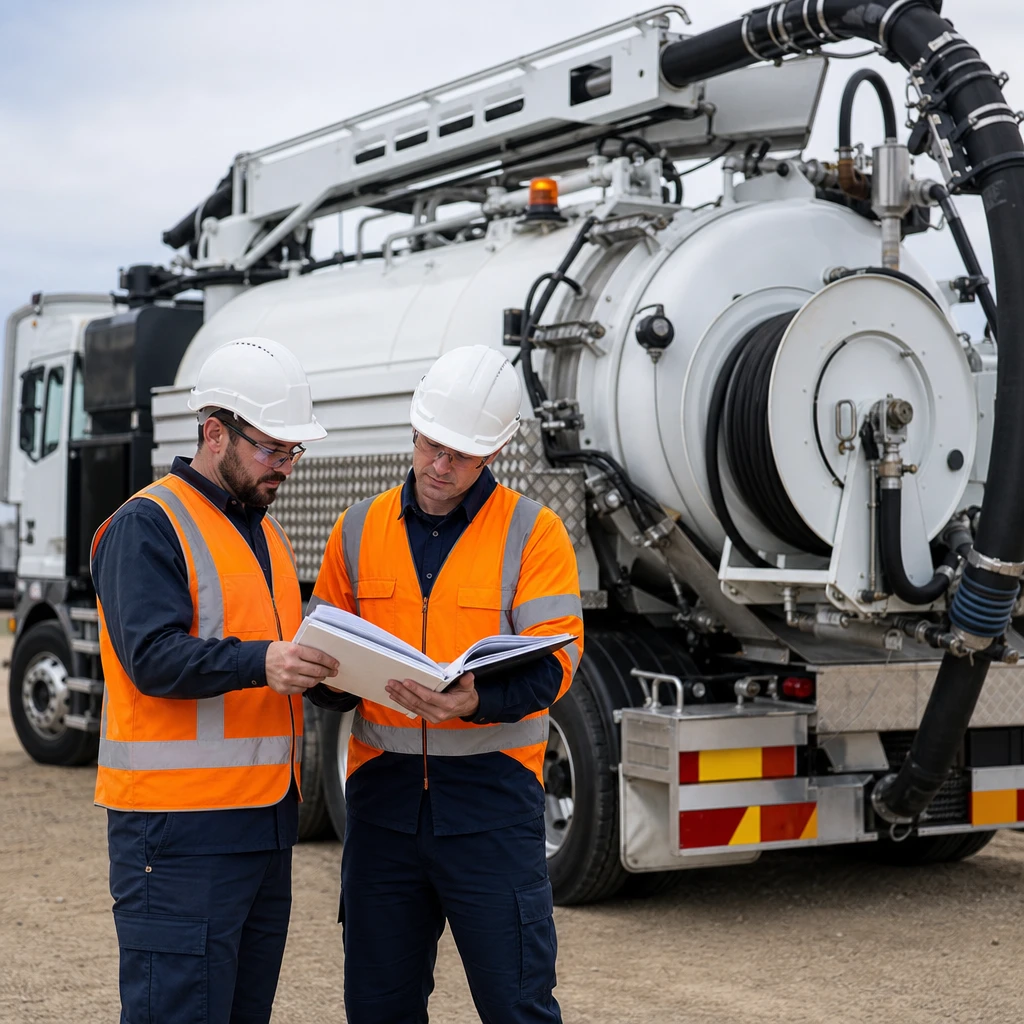
Regular, expert hydrostatic testing is an essential part of managing your vac truck. It ensures the tank is strong and safe. This process gives vital proof that your equipment is safe to use. It helps protect your workers and the public. By following Australian Standards like AS 2809 and AS 1210, you stay legal. You also protect your investment and reputation. For expert hydrostatic testing in Newcastle, the Hunter Valley, or Sydney, contact APEC Inspection today. You can schedule a full and proper check, done by our experienced NDT and pressure equipment specialists.
[1] business.qld.gov.au [2] scribd.com [3] scribd.com [4] standards.org.au [5] standards.org.au [6] cmeig.com.au [7] accendoreliability.com [8] apecinspect.com.au [9] safework.sa.gov.au [10] infrastructure.gov.au [11] business.gov.au [12] aidgc.org.au [13] ansto.gov.au [14] industrialmonitordirect.com