Understand destructive weld testing vs NDT in Australia, when you really need destructive tests, and how to choose the right mix for critical weld integrity.
Weld Testing Destructive: When You Really Need It vs NDT in Australia
Frequently Asked Questions
What is destructive weld testing and how is it different from NDT?+
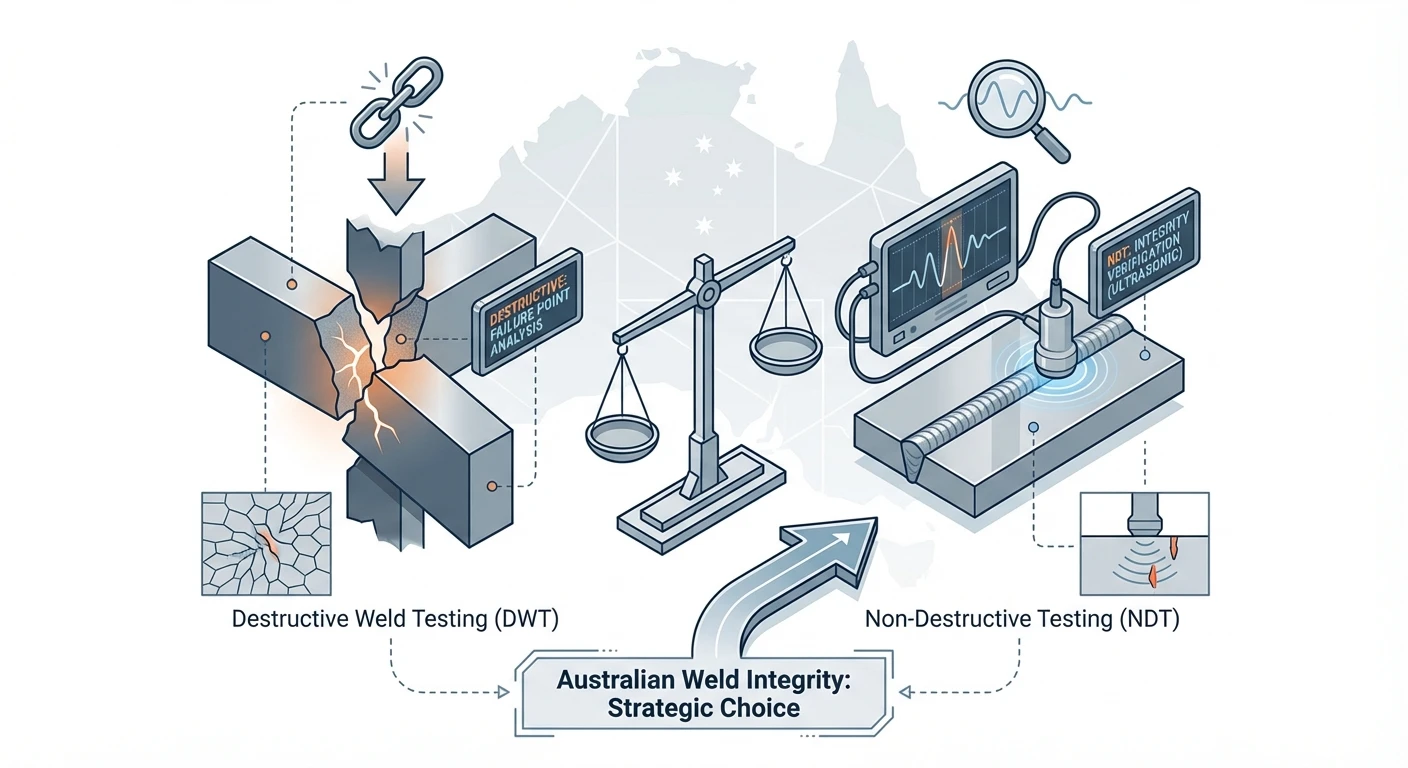
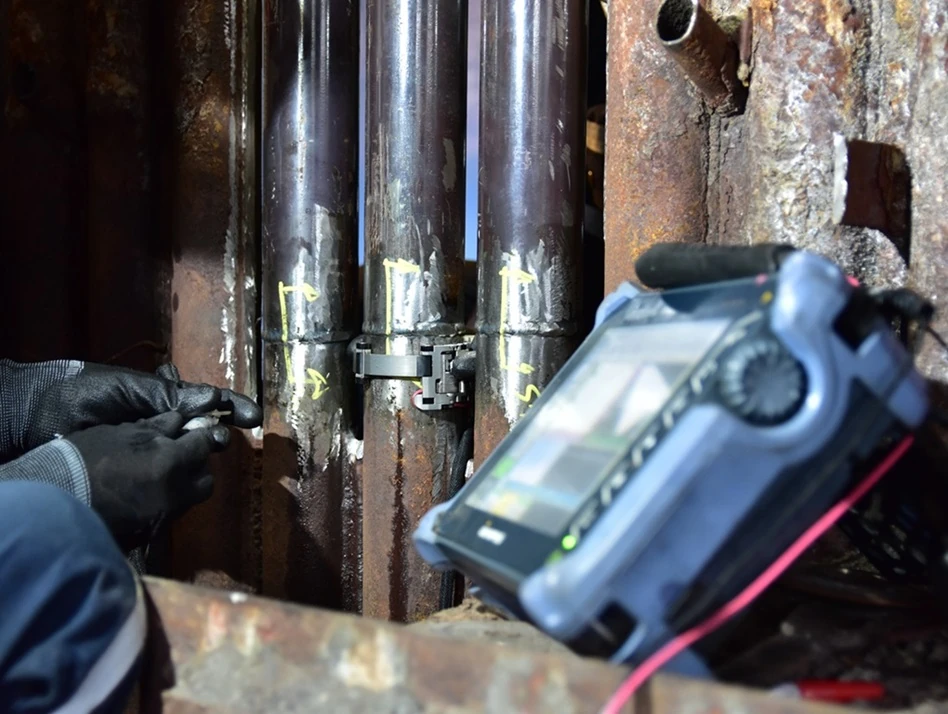
Destructive weld testing involves physically cutting, bending, or breaking a weld sample (coupon) to see how it behaves under load and to expose internal defects. Non-destructive testing (NDT) methods like UT, RT, MT and PT examine the weld without damaging it, so the weld can stay in service. Destructive tests are usually done on procedure qualification or welder qualification coupons, while NDT is applied to production welds.
When do I actually need destructive weld testing instead of just NDT in Australia?+
You typically need destructive weld testing when qualifying a new welding procedure, qualifying welders, or when a code or client specification explicitly requires it (for example AS/NZS 3992, AS 1210, AS/NZS 1554 procedure qualification). It’s also used when there has been a serious weld failure and you need a root-cause investigation. For day-to-day production welds on pressure equipment, pipelines and structures, destructive testing is usually combined with a high percentage of NDT rather than replacing it.
What Australian standards govern destructive weld testing and NDT?+
Key Australian and joint Australian/New Zealand standards include AS/NZS 1554 for structural steel, AS 1210 for pressure vessels, AS/NZS 3992 for pressure equipment weld qualification, and AS/NZS 2980 for welder qualification. NDT methods are covered by standards such as AS 2207 (ultrasonic), AS/NZS 2177 (radiography), AS 2062 (magnetic particle) and AS 2060 (penetrant). Apec Inspection works to the relevant clauses in these standards and any project specifications to define the exact test regime.
What kinds of weld defects can destructive testing find that NDT might miss?+
Destructive testing can reveal the full shape and extent of lack of fusion, lack of penetration, porosity and slag inclusions when you bend or section a coupon and examine the macro-etch. It also shows how and where a weld actually fails in tensile or bend tests, which NDT cannot replicate. This makes it powerful for procedure development and troubleshooting systemic issues that may not be obvious from isolated NDT indications.
Is destructive weld testing mandatory for pressure vessels and pipelines in Australia?+
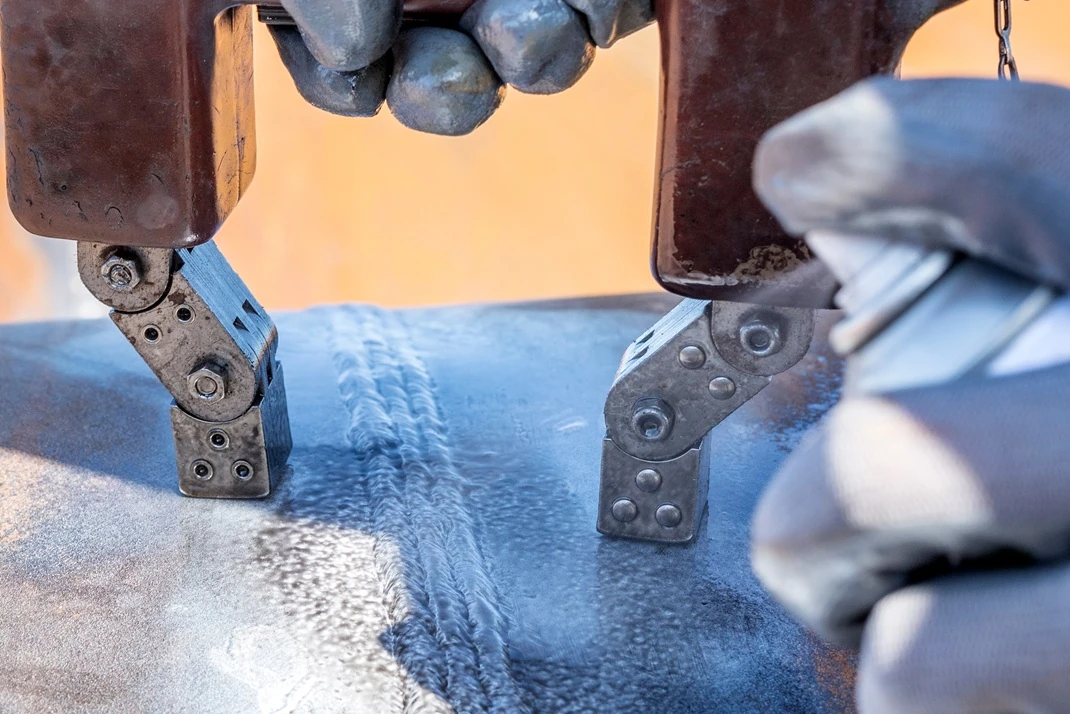
For most pressure vessels and pipelines, destructive testing is mandatory at the qualification stage for welding procedures and welder approvals under standards like AS 1210, AS 4041 and AS/NZS 3992. However, the production welds themselves are typically controlled by specified levels of NDT (UT, RT, MT, PT) plus visual inspection rather than routine destructive sampling. Your test plan or ITP should map the exact code, client and regulator requirements for your project.
How do I choose between ultrasonic testing (UT) and radiography (RT) for weld inspection?+
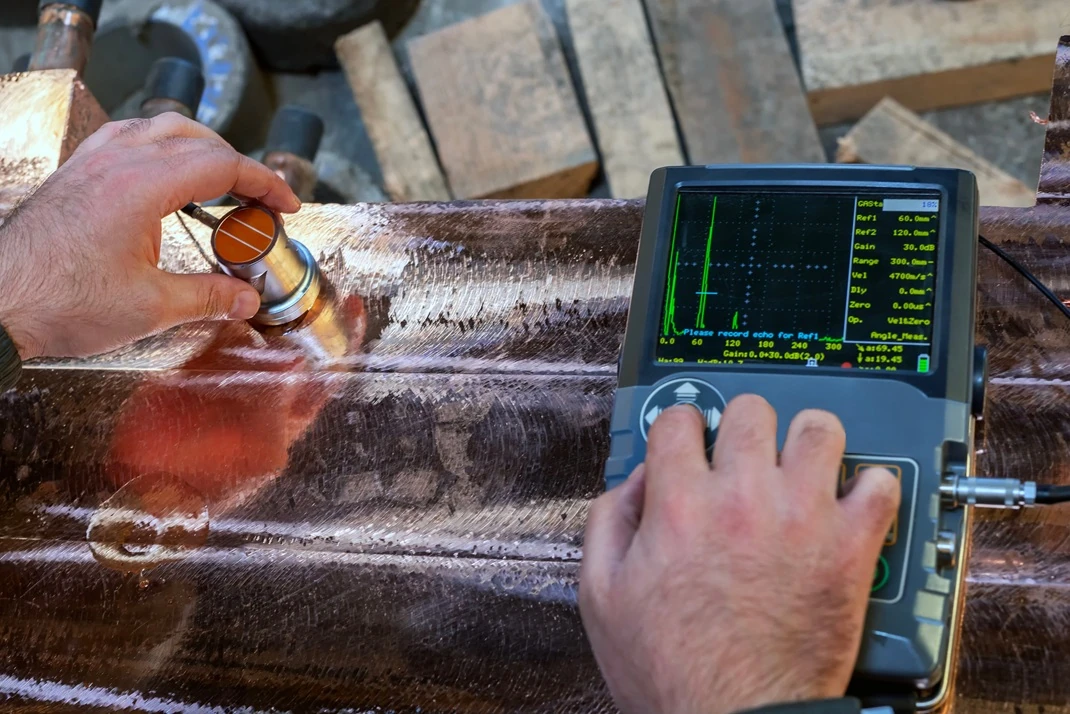
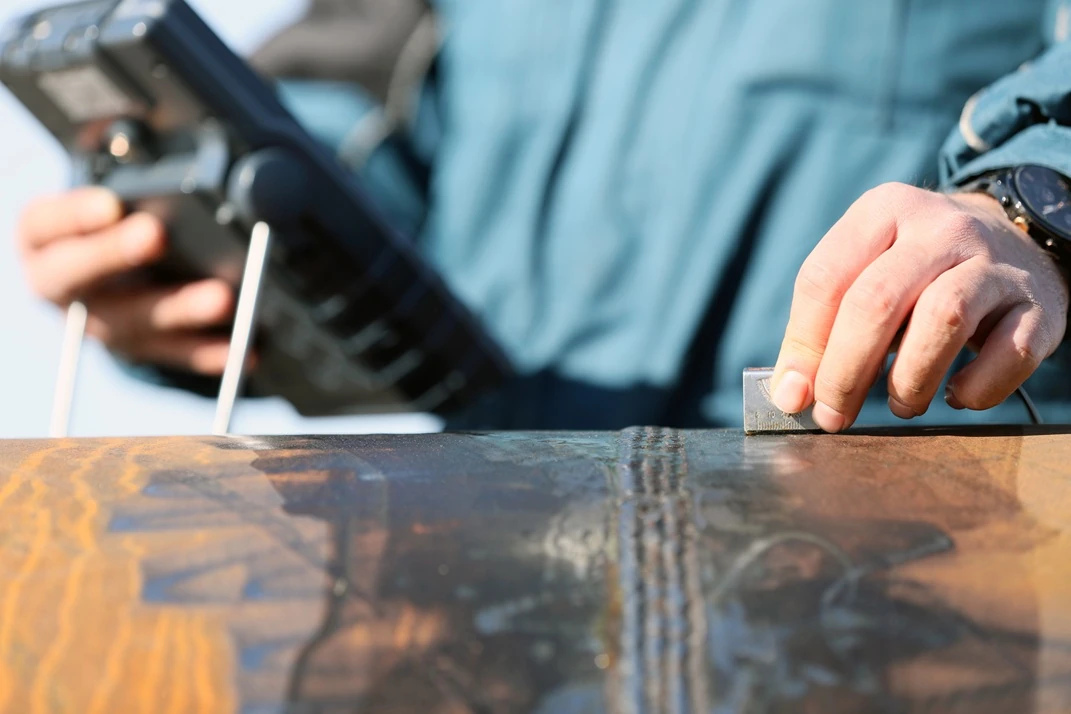
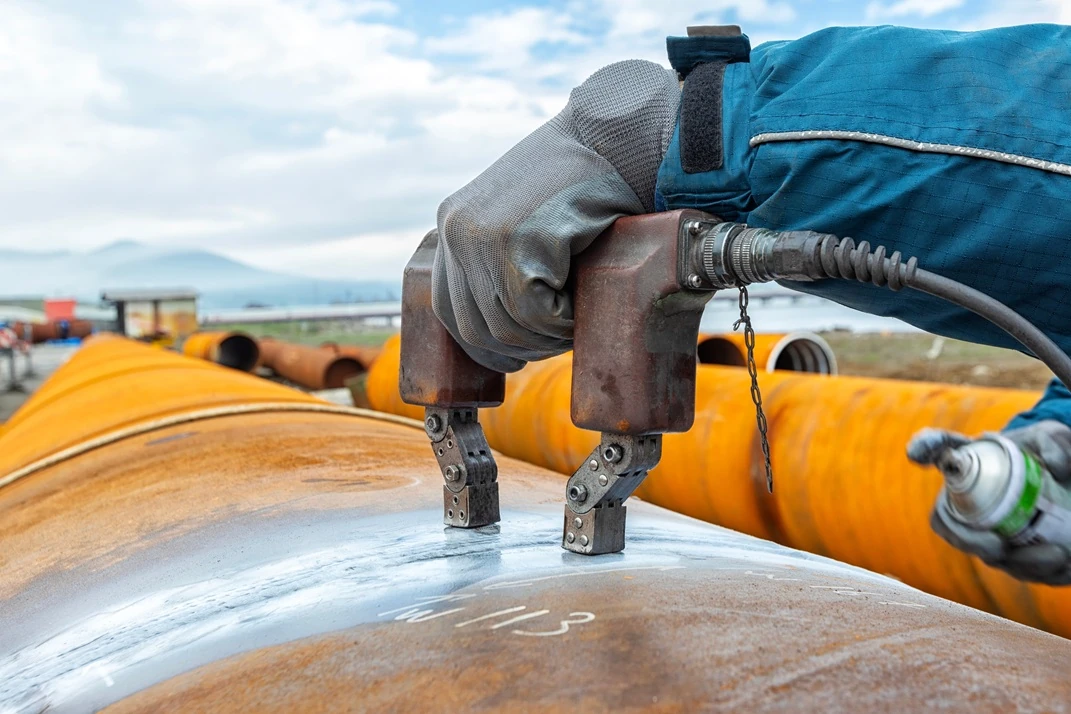
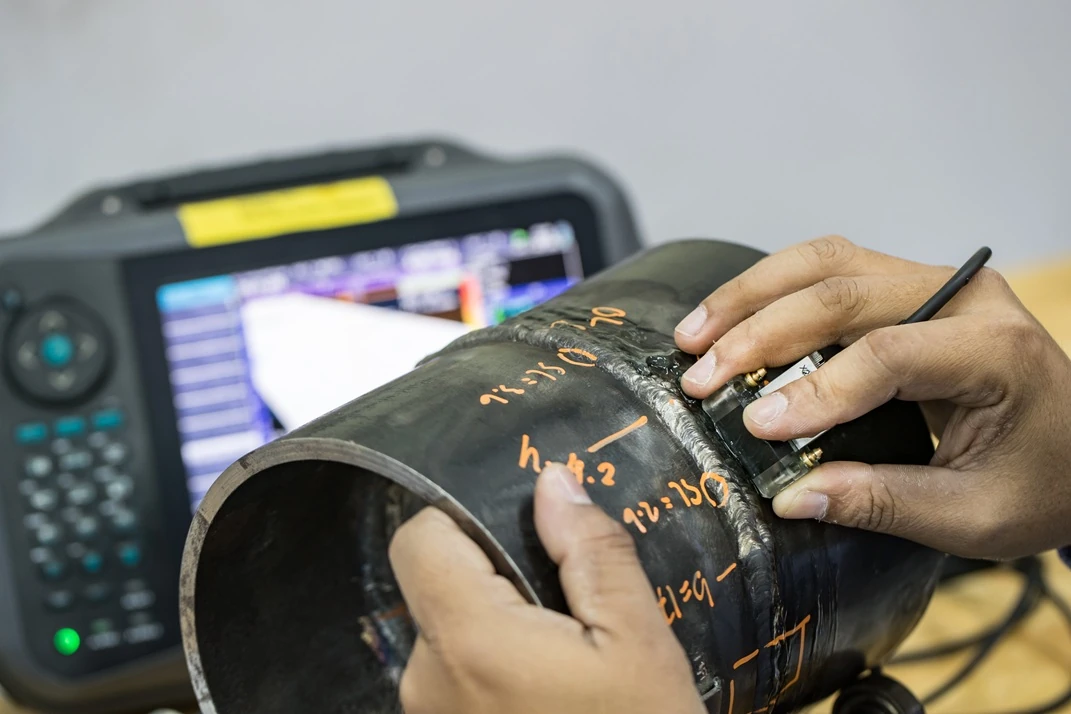
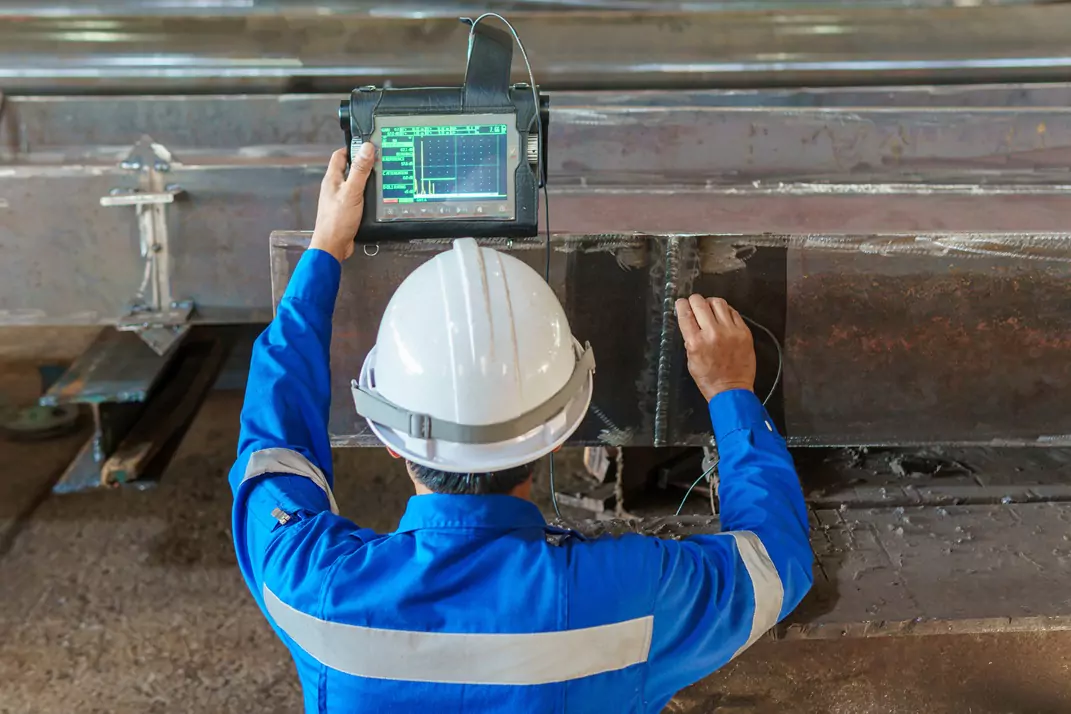
UT is usually preferred for thicker welds, field work, and when you want to detect planar defects like lack of fusion or cracks with no radiation safety issues. RT is strong for detecting volumetric defects like porosity and slag inclusions and is often specified in pipeline and pressure vessel codes for certain thickness ranges. Apec Inspection can help you select UT, RT or a combination based on weld geometry, access, material, and the relevant Australian standard.
How does Apec Inspection typically combine destructive testing and NDT on a project?+
Apec usually supports clients to qualify their welding procedures and welders using destructive tests such as bend, tensile and macro-etch examinations. Once capability is proven, they implement a targeted NDT regime—often including UT or RT plus MT/PT and visual inspection—on production welds according to the code and risk level. This approach minimises waste while still delivering high confidence in weld integrity.
Can Apec Inspection help investigate a weld failure using destructive testing?+
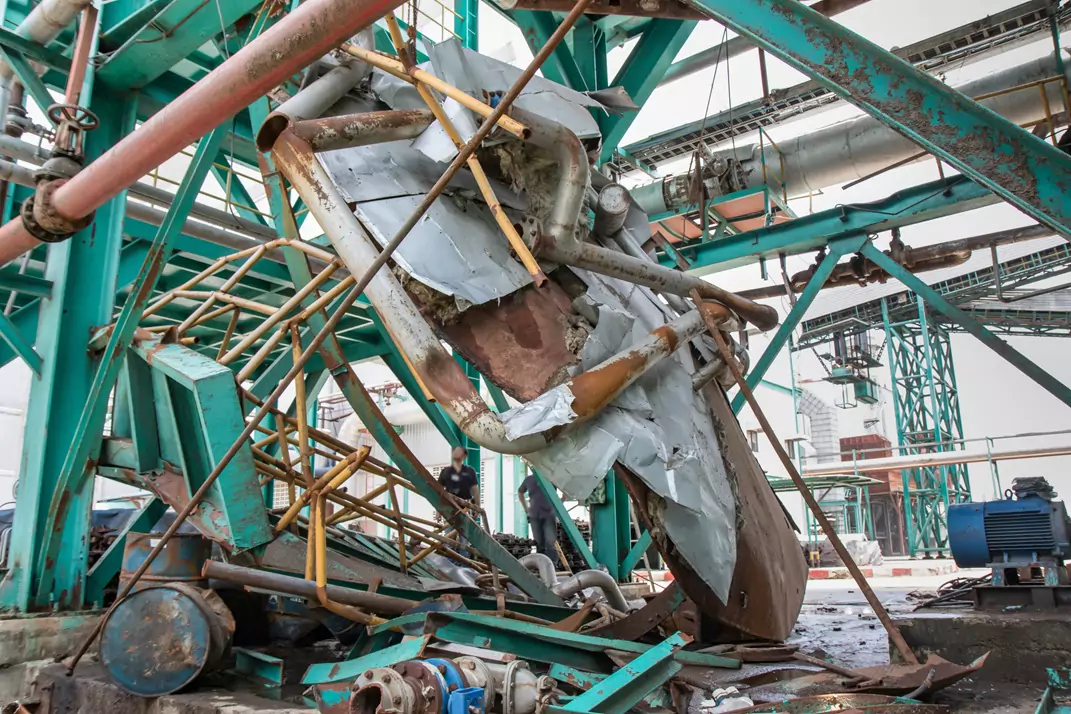
Yes, Apec Inspection can cut representative samples from failed or suspect welds and perform destructive examinations such as macro-etch, hardness surveys and fracture surface assessment. Combined with NDT and a review of procedures, consumables and heat input, this allows them to identify root causes like poor preparation, contamination or incorrect technique. The outcome is a practical set of corrective actions to prevent recurrence.
How does aerial drone inspection fit into weld testing and NDT?+
Aerial drone inspection is used by Apec to safely access and visually assess hard-to-reach structures, such as elevated pipe racks, stacks, bridges and plant steelwork. Drones can capture high-resolution imagery and video to identify surface weld issues, coating breakdown or corrosion, which can then be followed up with targeted close-up NDT if needed. This reduces scaffolding, shutdown time and working-at-heights risk.
How much does destructive weld testing cost compared to NDT in Australia?+
Destructive weld testing is usually more expensive per sample because it involves preparing coupons, machining, lab testing and metallographic examination, and the tested sample is scrapped. NDT such as UT, RT, MT and PT is generally cheaper per weld and can be applied to many welds across a project. Apec Inspection can estimate total cost based on the required number of procedure/welder qualification tests and the planned NDT coverage for production welds.
Comprehensive NDT Solutions: The APEC Inspect Advantage
APEC Inspect offers a complete range of NDT and inspection services, each complementing the others to provide comprehensive asset integrity solutions. Our Newcastle-based team brings decades of combined experience across all major industries in New South Wales and beyond.
For more information about any of our services or to discuss your specific inspection needs, contact our Newcastle office . Our technical team is ready to develop a comprehensive inspection program tailored to your requirements.